
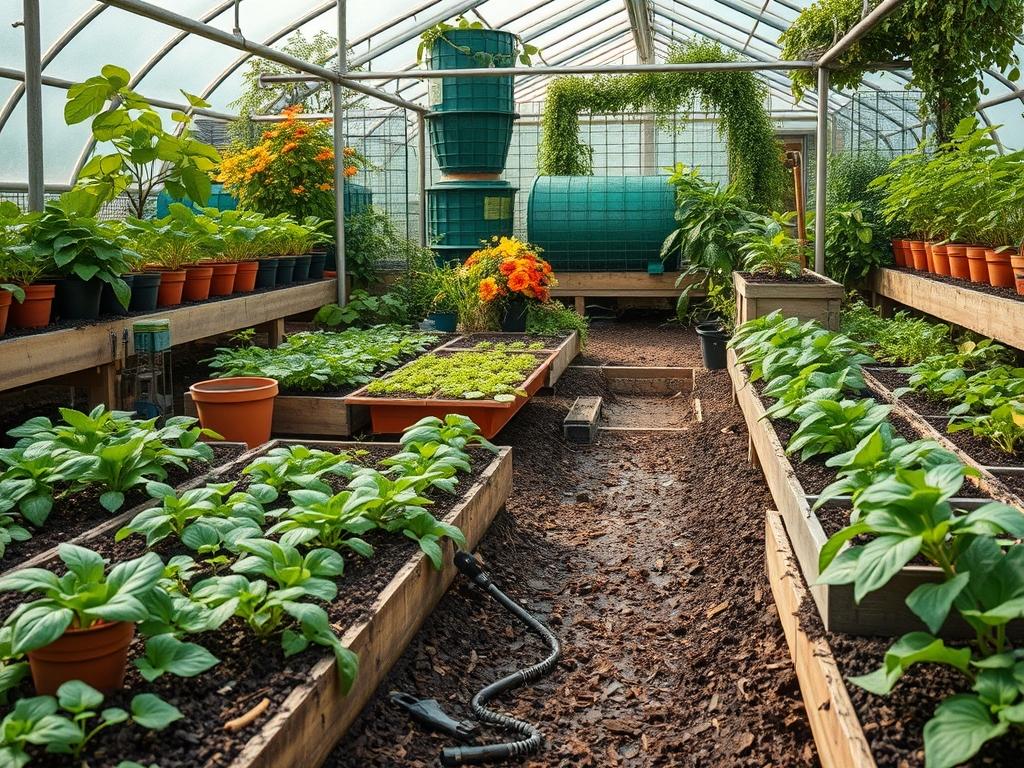
The modern landscape is a complex intersection of biological needs and architectural intent. Homeowners often struggle to balance the aesthetic requirements of high-end curb appeal with the brutal realities of local climate shifts and soil variability. Traditional irrigation schedules usually fail because they rely on guesswork or static timers that do not account for daily fluctuations in evaporation rates. This is where the integration of digital monitoring becomes essential for the longevity of a professional installation. Smart sensors offer a data-driven approach to outdoor management, ensuring that expensive specimens thrive rather than merely survive. By quantifying the invisible factors of soil moisture, ambient temperature, and sunlight exposure, these tools transform gardening from a reactive chore into a proactive science.
The primary benefit of this technology is the preservation of the landscape investment. When a property owner installs mature Japanese Maples or intricate Boxwood hedges, they are investing thousands of dollars in living assets. Smart Garden Sensor Pros include the ability to prevent root rot and nutrient leaching, which are the silent killers of domestic gardens. These devices provide a real-time window into the rhizosphere, allowing for precise adjustments that traditional “finger-in-the-dirt” methods cannot match. Furthermore, they contribute significantly to water conservation goals, which is a growing priority in arid regions or areas with strict municipal water restrictions. A well-placed sensor can reduce water waste by up to 50 percent by canceling scheduled irrigation cycles when the soil is already saturated from recent rainfall.
Landscape Design Principles
Successful landscape architecture relies on the foundational principles of symmetry, focal points, and elevation layers. When we design a space, we consider how the eye moves through the environment. Symmetry provides a sense of formal order, often achieved through paired plantings of Emerald Green Arborvitae or consistent rows of Lavender. However, maintaining symmetry requires uniform growth, which is impossible if one side of the driveway receives more runoff than the other. Sensors help maintain this visual balance by identifying moisture discrepancies between identical beds, allowing for zone-specific irrigation adjustments that ensure uniform plant sizing.
Focal points, such as a large Multi-stem River Birch or a custom Granite boulder water feature, anchor the design. These elements require specific environmental conditions to maintain their impact. For instance, a specimen tree needs deep, infrequent watering to encourage a strong taproot system, while surrounding groundcovers might require frequent, shallow misting. We use elevation layers, incorporating Retaining Walls and terraced flower beds, to create depth. These changes in height create microclimates; the soil at the top of a slope dries faster than the soil at the base. Implementing sensors at various elevations allows a designer to map these moisture gradients, ensuring that the Azaleas at the bottom do not drown while the Creeping Phlox at the top parches.
Plant and Material Selection
Selecting the right biological and hardscape materials is critical for a low-maintenance, high-impact result. Below is a guide for common species used in professional designs and their specific requirements.
| Plant Type | Sun Exposure | Soil Needs | Water Demand | Growth Speed | Maintenance |
| :— | :— | :— | :— | :— | :— |
| Dwarf Fountain Grass | Full Sun | Well-drained | Low | Fast | Low |
| Oakleaf Hydrangea | Part Shade | Rich, Organic | Moderate | Medium | Medium |
| Blue Star Juniper | Full Sun | Sandy, Gritty | Low | Slow | Very Low |
| Japanese Forest Grass | Full Shade | Moist, Loamy | High | Slow | Medium |
| Coneflower | Full Sun | Average | Low | Fast | Low |
| Hostas | Shade | Moist | Moderate | Medium | Low |
For hardscaping, we prioritize materials that complement the home’s architecture. Natural Flagstone paths or Paver patios provide the “bones” of the garden. We often use Landscape Fabric beneath a 3 inch layer of Cedar Mulch or Crushed Slate to suppress weeds and retain moisture. When installing these materials, sensors should be placed near the root balls of the most sensitive species to monitor how different mulching materials affect heat retention in the soil.
Implementation Strategy
A professional landscape begins with site preparation. The first step is grading the land to ensure a 2 percent slope away from the home’s foundation. This prevents water from pooling against the structure and redirects it toward designated drainage zones. Once the grade is established, we mark out the beds using Steel Edging or Belgium Block to create clean, permanent borders.
Proper sensor placement is a critical part of the implementation strategy. Sensors should be buried at a depth of 6 inches to 12 inches, depending on the root structure of the target plants. For a new lawn installation consisting of Kentucky Bluegrass sod, sensors are placed shallower to monitor the critical establishment phase. During the planting process, we incorporate Organic Compost and Slow-release Fertilizer into the backfill soil of every hole. Irrigation lines, specifically Drip Tubing with 0.5 GPH emitters, are then ran directly to the base of each plant. The smart sensors are synced to a central Smart Irrigation Controller, creating a closed-loop system that responds to environmental triggers automatically.
Common Landscaping Failures
The most frequent failure in residential landscapes is poor drainage. Even the most advanced sensors cannot save a plant that is sitting in a “bathtub” of heavy clay soil with no exit for excess water. When soil becomes compacted, oxygen cannot reach the roots, leading to anaerobic conditions and eventual plant death. Another common mistake is root overcrowding. Designers often plant for immediate “fullness” without considering the mature spread of the species. A 15 gallon shrub may look small now, but in five years, it could easily overwhelm its neighbors, leading to competition for light and nutrients.
Improper spacing and irrigation inefficiencies also plague many DIY projects. Using the same irrigation zone for Cacti and Ferns is a recipe for disaster. This is why hydrozoning, the practice of grouping plants with similar water needs together, is a core tenet of professional design. Finally, the “set it and forget it” mentality regarding smart technology leads to failure. Sensors require calibration and battery checks. If a sensor fails and reports “dry” soil indefinitely, the system may overwater the garden until it becomes a swamp, proving that even smart systems require human oversight.
Seasonal Maintenance
Landscape management is a year-round commitment. In the spring, the focus is on “awakening” the garden. This involves removing winter debris, applying a fresh 2 inch layer of Hardwood Mulch, and testing the irrigation system for leaks. It is also the time to calibrate sensors and replace any depleted batteries before the heat of summer arrives.
Summer maintenance is dominated by water management and pest control. During July and August, evapotranspiration (ETo) rates are at their peak. Smart Garden Sensor Pros become most evident here, as they can signal the controller to add a “cycle and soak” period during extreme heatwaves to prevent wilt. In the autumn, we transition to preparing plants for dormancy. We reduce watering frequency to help woody plants “harden off.” This is also the best time for core aeration of the lawn to combat soil compaction. Winter maintenance involves protecting sensitive species with Burlap wraps and ensuring that sensors are either rated for freezing temperatures or removed from the ground to prevent frost damage to the internal electronics.
Professional Landscaping FAQ
What are the main Smart Garden Sensor Pros for homeowners?
The primary advantages include significant water savings, the prevention of plant loss due to over or underwatering, and real-time alerts regarding soil health. These tools provide data that allows for a more precise, healthy, and sustainable outdoor living environment.
How many sensors do I need for a standard backyard?
Most residential landscapes require one sensor per irrigation zone or microclimate. For a standard yard with a lawn, a perennial bed, and a shaded shrub area, three sensors are typically sufficient to provide an accurate map of the property’s needs.
Can these sensors work with my existing sprinkler system?
Many modern sensors are designed to bridge with existing systems via a smart controller. By replacing your old manual timer with a WiFi-enabled controller, you can integrate moisture and weather data into your current irrigation infrastructure quite easily.
Where is the best place to install a moisture sensor?
Place the sensor in the “average” area of a zone, avoiding low spots where water pools or high spots that dry unnaturally fast. It should be buried within the root zone of your most valued plants to ensure they receive priority care.
Do smart sensors require a monthly subscription fee?
Most standalone sensors do not require a subscription, but some premium cloud-based platforms and professional-grade weather stations may charge a small annual fee for advanced data analytics. Always check the manufacturer’s software requirements before purchasing your hardware.