
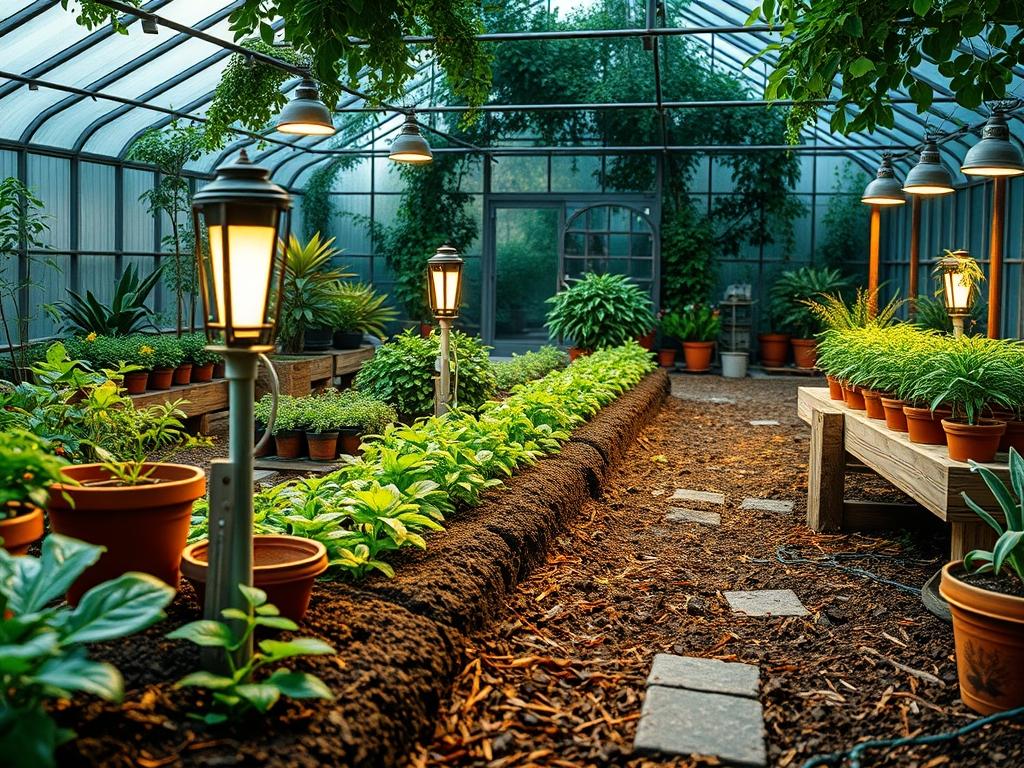
Designing an outdoor environment requires a sophisticated balance between aesthetic ambition and technical feasibility. When homeowners and developers look to improve curb appeal, the integration of evening illumination often becomes a primary focal point. Traditional wired systems provide consistency, but they require significant trenching, electrical permits, and ongoing energy costs that can complicate a renovation. Consequently, the industry has shifted toward high performance Solar Powered Garden Lighting as a primary solution for modern landscape architecture. These systems allow for a dynamic range of utility without the invasive installation processes associated with standard 120 volt or low voltage wired alternatives. The primary challenge involves selecting units that can withstand local climate fluctuations while providing enough lumen output to ensure safety and visual continuity along walkways and structural boundaries.
The functionality of a garden after sunset depends heavily on how light interacts with the existing topography. A well designed landscape uses light to define space, create depth, and highlight specific architectural features like retaining walls or specimen trees. Reliable solar units now feature monocrystalline silicon panels and high capacity lithium iron phosphate batteries, which ensure that even on overcast days, the fixtures gather enough energy to operate for a full eight to ten hour cycle. By focusing on high quality materials such as stainless steel, die-cast aluminum, and tempered glass, designers can create a lighting scheme that resists corrosion and UV degradation. This long term durability is essential for maintaining the professional appearance of a property throughout the seasons.
Landscape Design Principles
Effective landscape design is rooted in the concept of visual balance and the strategic use of focal points. When planning a layout, symmetry provides a sense of formality and order, often achieved by mirroring plant groupings or light fixtures on either side of a central flagstone walkway. However, asymmetrical designs can offer a more naturalistic, organic feel that suits contemporary or woodland themes. In either case, the use of Solar Powered Garden Lighting should accentuate the primary elevation layers of the garden. This involves placing low level path lights at the ground cover level, mid sized bollards among shrubs, and upward facing spotlights to illuminate the canopy of larger trees or the texture of a brick facade.
Elevation layers serve as the skeletal structure of the garden. By varying the heights of plant material and lighting, a landscape architect creates a three dimensional experience that prevents the yard from looking flat. For instance, using 24-inch bollard lights next to a cluster of Boxwoods creates a mid level light wash that bridges the gap between the dark ground and the taller elements of the garden. Irrigation planning must also be integrated into this phase. Ensuring that drip emitters and sprinkler heads do not spray directly onto solar panels is vital. Although most professional grade solar lights carry an IP65 waterproof rating, consistent mineral buildup from hard water can cloud the photovoltaic cells, significantly reducing their charging efficiency over time.
Strategic walkways act as the circulatory system of the landscape. They guide guests through the space and define the boundaries of different garden “rooms.” Lighting these paths is not merely for aesthetics; it is a critical safety requirement. Placing solar stakes at 6-foot intervals along a winding path provides a continuous line of sight without creating excessive light pollution. Visual balance is maintained by ensuring the light temperature, measured in Kelvins, remains consistent across all fixtures. A 3000K warm white light is generally preferred for residential settings, as it complements the natural greens of the foliage and the earthy tones of cedar mulch.
Plant and Material Selection
The success of a landscape depends on selecting the right biological and structural components. The following table outlines several popular choices that pair well with integrated lighting designs.
| Plant Type | Sun Exposure | Soil Needs | Water Demand | Growth Speed | Maintenance Level |
| :— | :— | :— | :— | :— | :— |
| Boxwood | Partial Sun | Neutral | Medium | Slow | Moderate |
| Lavender | Full Sun | Well-draining | Low | Moderate | Low |
| Hostas | Full Shade | Loamy | Medium | Fast | Low |
| Japanese Maple | Partial Sun | Acidic | Medium | Slow | High |
| Ornamental Grass | Full Sun | Sandy | Low | Fast | Low |
| Blue Spruce | Full Sun | Moist/Caly | Medium | Slow | Low |
| Daylilies | Full Sun | Adaptive | Low | Fast | Low |
Materials used in hardscaping should be selected for their reflective properties and durability. Light colored pea gravel or decomposed granite can help bounce ambient light from solar fixtures, brightening a path without requiring higher wattage bulbs. Conversely, dark basalt or slate will absorb light, creating a more moody and dramatic atmosphere. When installing Solar Powered Garden Lighting, the surrounding materials must be stable. Using a 4-inch base of compacted crushed stone beneath heavy pavers or light posts prevents shifting during freeze-thaw cycles, which can misalign lights and disrupt the visual symmetry of the design.
Implementation Strategy
A successful backyard or garden layout begins with proper site preparation. Before any plants go into the ground or lights are positioned, the site must be graded. Professional grading involves creates a 2 percent slope away from the home foundation to ensure that rainwater flows toward designated drainage basins or French drains. Once the grade is established, the next step is edging. Creating a clean border using steel landscape edging or poured concrete curbs prevents turf grass from encroaching into the garden beds and provides a crisp line for placing solar path lights.
The layout should follow a “top down” approach. Start by planting the largest trees and installing the most significant hardscape elements, such as retaining walls or a pergola. Once the structural elements are in place, the mid level shrubs and ground covers are added. Only after the plants are situated should the Solar Powered Garden Lighting be installed. This allows the architect to see exactly where the shadows fall and where illumination is most needed. For best results, ensure that the solar panels are not shaded by the mature size of the plants. A common mistake is placing a solar light next to a small shrub that will eventually grow to 3 feet in height, completely obscuring the panel by the second growing season.
Mulching is the final step in the installation process. Applying a 3-inch layer of hardwood mulch or pine bark helps retain soil moisture, suppresses weeds, and provides a clean backdrop for the light fixtures. Ensure that the mulch is tapered away from the base of the solar stakes and the trunks of trees to prevent rot. If the design includes a dry creek bed, use a mix of river stones and fieldstones to create a natural look that the solar spotlights can accentuate at night.
Common Landscaping Failures
The most frequent error in professional landscaping is a failure to address drainage properly. When water pools around the base of a light fixture or a plant’s root ball, it leads to equipment failure and root rot. Utilizing a 4-inch perforated drainage pipe buried in a trench of clean gravel can mitigate these issues in low lying areas. Furthermore, root overcrowding occurs when designers ignore the “mature spread” listed on plant tags. A 6-foot wide shrub should never be planted 2 feet from a walkway or a permanent light fixture, as the eventual growth will necessitate aggressive pruning or expensive relocation.
Soil compaction is another silent killer of healthy landscapes. During construction, heavy machinery often compresses the earth, destroying the air pockets necessary for root respiration. Before planting, it is vital to till the soil to a depth of 12 inches and incorporate organic compost to restore soil structure. Irrigation inefficiencies also plague many properties. Overwatering not only wastes resources but can also lead to the growth of algae on photovoltaic panels, which hinders the performance of Solar Powered Garden Lighting. A smart irrigation controller paired with a rain sensor ensures that the landscape receives exactly the amount of water it needs based on real time weather data.
Seasonal Maintenance
A landscape is a living entity that requires a structured maintenance schedule to remain functional and beautiful. In the Spring, the focus is on renewal. This is the time to prune winter damage, apply a fresh 2-inch layer of mulch, and clean the solar panels with a damp cloth to remove pollen and dust. Checking the batteries in your solar units is also recommended; most NiMH or Lithium batteries should be replaced every two to three years to maintain peak performance.
During the Summer, irrigation management is the priority. As temperatures rise, the water demand for plants like Japanese Maples increases. Weeding must be done weekly to prevent competition for nutrients. In the Autumn, fallen leaves should be cleared promptly. Leaves that settle on solar panels will prevent charging, and those left on the lawn can trap moisture and encourage fungal diseases. Finally, in the Winter, some solar fixtures may need to be stored indoors if the region experiences extreme sub zero temperatures or heavy snow loads that could crush the housings. For those left outside, clearing snow off the panels after every storm is essential for ensuring they continue to function during the shortest days of the year.
Professional Landscaping FAQ
How many lumens do I need for a garden path?
For standard walkways, a range of 50 to 100 lumens per fixture is ideal. This provides enough light for safety without causing significant glare or distracting from the natural beauty of the surrounding foliage and plant life.
What is the best way to handle poor soil drainage?
Install a French drain or a dry well at the lowest point of your landscape. Using a 4-inch PVC pipe and 1-inch clean stone, you can redirect excess runoff away from plant roots and electrical components effectively.
How deep should I dig the holes for my plants?
The hole should be twice as wide as the root ball but no deeper than the current soil level. This encourage lateral root growth into the surrounding soil while preventing the trunk from being buried too deep, which causes rot.
Can solar lights work in complete shade?
Most Solar Powered Garden Lighting requires at least four to six hours of direct sunlight. While some high end models feature a remote solar panel that can be placed in the sun, standard integrated units will struggle in full shade.
What is the benefit of using steel edging?
Steel edging provides a permanent, crisp border that prevents grass roots from invading garden beds. It is more durable than plastic and holds its shape against the pressure of frost heave and routine lawn maintenance equipment like string trimmers.