
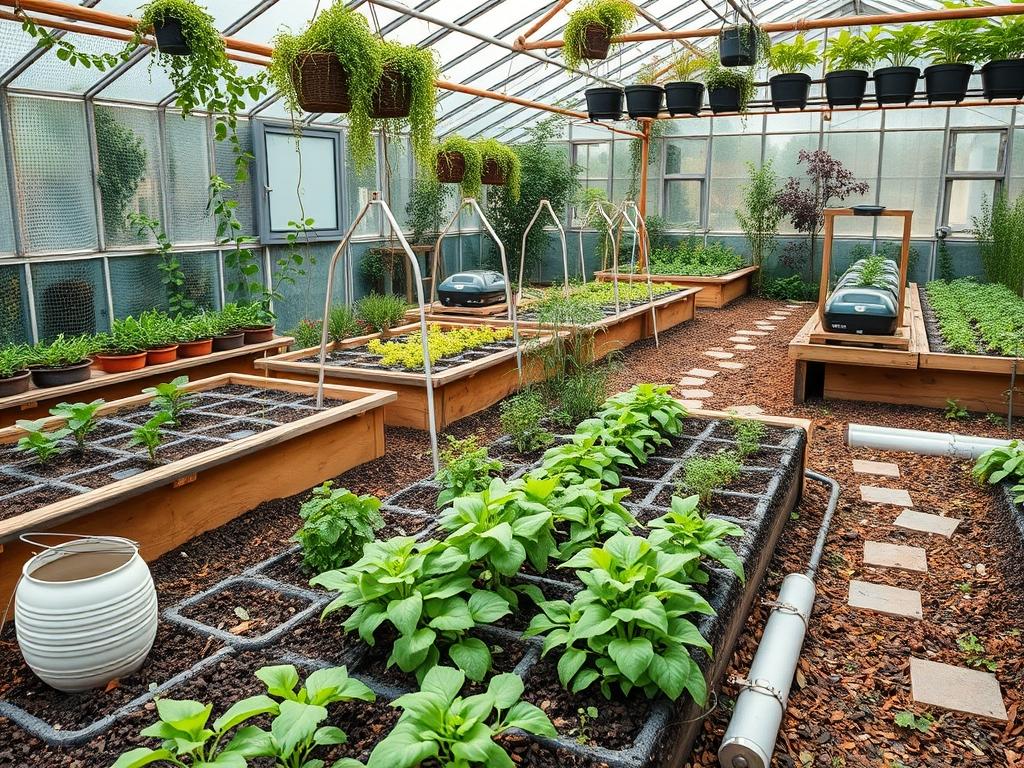
Modern landscape architecture involves a delicate balance between aesthetic ambition and environmental stewardship. Homeowners today seek more than just a green lawn; they require an outdoor living space that serves as a functional extension of the home while remaining resilient against shifting climate patterns. The core of any successful master plan lies in its hidden infrastructure, specifically the water delivery system. Professional curb appeal is no longer measured solely by the height of the hedges or the color of the blooms. Instead, it is defined by the health of the ecosystem and the efficiency with which resources are managed. By incorporating comprehensive Smart Irrigation Design Tips, a designer can ensure that every Perennial and Ornamental Grass receives the precise volume of water required for peak vitality without wasting a single drop. This transition from traditional watering methods to high-technology systems represents a significant shift in how we approach site planning, requiring a deep understanding of soil mechanics, topography, and hydraulic flow.
Landscape Design Principles
Effective site planning begins with an analysis of the existing topography. Elevation changes must be mapped to understand how water naturally moves across the property. A professional design uses these levels to create visual interest through elevation layers, but it also uses them to prevent erosion. One of the most critical Smart Irrigation Design Tips is the concept of hydrozoning. This involves grouping plants with similar water needs together to prevent over-watering or under-watering specific species. By creating zones based on sun exposure and soil retention, a designer can program a Smart Controller to deliver varying amounts of hydration to the Shaded Ferns versus the Sun-Drenched Succulents.
Symmetry and focal points provide the visual framework that guides the eye. A well-placed Japanese Maple or a structured stone Retaining Wall acts as an anchor for the surrounding foliage. Walkways should be planned not only for foot traffic flow but also as natural barriers or conduits for drainage. When laying out these hardscape elements, it is vital to account for the root systems of nearby trees. Visual balance is achieved by layering heights; lower groundcovers occupy the foreground, mid-sized shrubs fill the center, and tall canopy trees provide the backdrop. Integrating irrigation into this hierarchy requires placing Drip Emitters strategically beneath the mulch layer to ensure water reaches the root zone directly, maintaining the clean lines of the design without the clutter of visible hardware.
Plant and Material Selection
Selecting the right biological components is the most labor-intensive part of the planning process. The following table provides a breakdown of common materials used in modern, water-efficient landscapes.
| Plant Type | Sun Exposure | Soil Needs | Water Demand | Growth Speed | Maintenance Level |
| :— | :— | :— | :— | :— | :— |
| Bouteloua gracilis | Full Sun | Well-drained/Sandy | Low | Moderate | Low |
| Hydrangea macrophylla | Part Shade | Rich/Loam | High | Fast | Moderate |
| Lavandula angustifolia | Full Sun | Gritty/Alkaline | Very Low | Slow | Low |
| Carex pensylvanica | Shade/Dappled | Moist/Organic | Moderate | Moderate | Low |
| Ilex glabra | Full Sun to Part Shade | Acidic/Sandy | Moderate | Slow | Moderate |
| River Rock (3-inch) | N/A | Subsoil base | None | N/A | Very Low |
| Cedar Bark Mulch | N/A | Any | None | N/A | Seasonal Refresh |
Implementation Strategy
The transition from a blueprint to a physical garden requires a phased approach. First, the site must be cleared and graded. Grading is the process of sloping the land away from the home foundation to prevent basement flooding and soil saturation. Use a Digital Inclinometer to verify that a minimum 2 percent slope is achieved. Once the grade is set, the primary irrigation lines, typically Schedule 40 PVC Pipe, should be installed at a depth of at least 12 inches to protect them from frost and aeration tools.
Edging serves as the crisp border between turf and garden beds. Materials such as Powder-Coated Steel or Heavy-Duty Composite prevents grass from encroaching on delicate flower beds. After the edging is secured, the planting begins. It is essential to dig holes that are twice the width of the root ball but no deeper than the original container to avoid crown rot. Once plants are in the ground, install Soil Moisture Sensors at various depths. These sensors are the backbone of Smart Irrigation Design Tips; they transmit real-time data to a central hub, which can skip a watering cycle if recent rainfall has already saturated the earth. Finally, a 3-inch layer of Mulch is applied. This layer serves three purposes: it suppresses weed growth, regulates soil temperature, and significantly reduces evaporation.
Common Landscaping Failures
Many projects fail within the first three years due to a lack of foresight regarding plant growth and drainage. Root overcrowding is a frequent mistake where designers plant for immediate impact rather than long-term maturity. When a Privet Hedge is planted too close to a walkway, it will eventually buckle the pavers and require expensive repairs. Furthermore, improper spacing prevents adequate airflow, which leads to fungal infections like powdery mildew.
Irrigation inefficiency often stems from poor pressure management. If the water pressure is too high, the heads will “mist,” and the wind will carry the moisture away before it hits the ground. Installing Pressure Regulated Spray Heads ensures a consistent droplet size. Another common failure is the neglect of soil compaction. In high-traffic areas, the soil becomes packed so tightly that water cannot penetrate the surface, leading to runoff and wasted resources. Utilizing Vertical Core Aeration annually can mitigate this issue, allowing oxygen and water to reach the roots of the turf. Lastly, a failure to install Automatic Rain Shut-Off Switches can lead to the embarrassing and wasteful sight of sprinklers running during a heavy downpour.
Seasonal Maintenance
A landscape is a living entity that requires a rotating schedule of care. In the spring, the focus is on activation and cleanup. This involves removing winter debris, pruning deadwood from Deciduous Trees, and testing the irrigation system for leaks caused by winter freezes. Check every Spray Nozzle for clogs and ensure the Backflow Preventer is functioning correctly.
Summer maintenance is primarily about stress management. During periods of extreme heat, the frequency of watering may need to increase, but the duration should remain long enough to encourage deep root growth. Shallow, frequent watering is a mistake that leads to weak plants. Autumn is the ideal time for “deadheading” spent blooms and planting new Spring Bulbs. It is also the season to apply a final layer of organic compost to nourish the soil over the winter months.
As winter approaches, the most critical task is irrigation winterization. In colder climates, any water left in the pipes will expand when frozen and shatter the lines. Use an Air Compressor to blow out all remaining water from the system. This is also the time to apply Anti-Desiccant Sprays to broadleaf evergreens like Boxwoods to prevent them from drying out in the harsh winter winds.
Professional Landscaping FAQ
How do I determine the best watering schedule for my yard?
Use a Smart Controller that pulls local weather data. It calculates evapotranspiration rates to adjust watering times daily. This ensures your Kentucky Bluegrass or Fescue receives only the water it actually needs based on current humidity and temperature.
What is the best way to prevent weeds without chemicals?
Maintain a consistent 3-inch layer of Wood Chips or Bark Mulch. This creates a physical barrier that prevents sunlight from reaching weed seeds. For larger areas, consider planting a dense groundcover like Creeping Thyme to crowd out invasive species.
Can I install a smart irrigation system on an existing landscape?
Yes, most systems are retrofittable. You can replace old valves with Bluetooth-Enabled Valves and swap standard heads for High-Efficiency Rotating Nozzles. This upgrade significantly reduces water waste without requiring a total excavation of your established garden beds.
What is the benefit of using native plants in my design?
Native species like Purple Coneflower are adapted to local rainfall and soil. They require significantly less supplemental water once established. They also provide essential habitats for local pollinators, creating a more sustainable and low-maintenance outdoor environment for the homeowner.
How does proper grading impact my irrigation efficiency?
Grading prevents water from pooling in low spots, which can drown root systems and cause “root rot.” By ensuring a gentle slope, the system can distribute water evenly, allowing the Soil Moisture Sensors to get an accurate reading across the entire zone.