
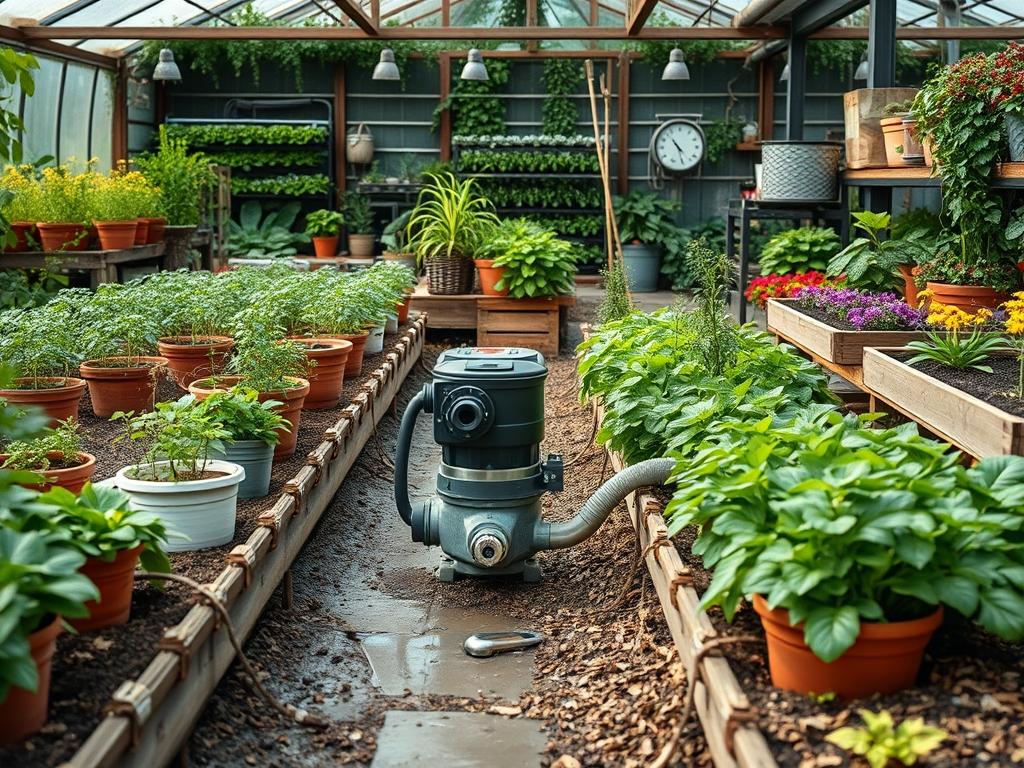
Effective water management serves as the foundation for any high performance landscape, where the intersection of engineering and botany dictates the long term viability of an outdoor investment. When a site features complex elevation changes, diverse plant palettes, and varied microclimates, a standard irrigation system often fails to provide the precision required for optimal health. This is where the integration of advanced technology becomes vital. The modern landscape frequently relies on a sophisticated mechanical heart; the performance of a high efficiency pump determines whether a design flourishes or fades. Property owners often prioritize the visible elements, such as lush turf or ornamental trees, yet the underlying infrastructure remains the most critical component for maintaining curb appeal and outdoor functionality. Smart Irrigation Pump Maintenance ensures that these technological assets operate at peak efficiency, preventing the hydraulic failures that lead to saturated root zones or parched foliage. In an era of increasing climate volatility and water restrictions, a smart system provides the data driven approach necessary to balance aesthetic goals with environmental stewardship.
LANDSCAPE DESIGN PRINCIPLES
Professional landscape design requires a rigorous adherence to structural harmony, starting with the concept of visual balance and symmetry. Whether the objective is a formal estate layout or a naturalistic retreat, designers must utilize focal points to guide the eye through the environment. These focal points, such as a large Specimen Oak or a custom Stone Water Feature, require dedicated irrigation zones to ensure they receive specific moisture levels. Elevation layers also play a significant role in the technical side of irrigation planning. When land is graded with significant slopes, designers must account for “head pressure,” the force of gravity on water within the lines. A well maintained Centrifugal Pump allows for consistent pressure across these different heights, ensuring that plants at the top of a terrace receive as much water as those at the base.
Walkways and hardscaping elements serve as the skeletal structure of the garden, defining how human traffic moves through the space. These non porous surfaces must be integrated carefully with the drainage plan to avoid runoff and erosion. Proper irrigation planning ensures that water is delivered precisely to the root zones of the surrounding flora without wasting resources on the Paver Stones or Concrete Driveways. Visual balance is achieved when the density of the planting is matched by the robustness of the life support systems. For instance, a dense row of Boxwood Hedges provides a clean architectural line, but if the pump pressure drops due to poor maintenance, the resulting brown spots will immediately break the visual continuity of the design.
PLANT AND MATERIAL SELECTION
Selecting the right materials involves more than just selecting attractive colors; it requires a deep understanding of the local ecosystem and the physical properties of the soil. A successful landscape architect considers the specific water demands and maintenance levels of each species to create a sustainable environment.
| Plant Type | Sun Exposure | Soil Needs | Water Demand | Growth Speed | Maintenance |
| :— | :— | :— | :— | :— | :— |
| Drought Tolerant Grass | Full Sun | Well Drained | Low | Moderate | Low |
| Japanese Maple | Partial Shade | Loamy/Acidic | Moderate | Slow | Medium |
| Lavender | Full Sun | Sandy/Rocky | Very Low | Fast | Low |
| Hydrangea | Partial Shade | Rich/Moisture Retentive | High | Moderate | High |
| Native Prairie Grass | Full Sun | Varied | Low | Fast | Very Low |
| Emerald Green Arborvitae | Full Sun/Part Shade | Moist/Well Drained | Moderate | Moderate | Medium |
The use of Hardwood Mulch or Cedar Bark is another essential material choice. Mulch helps regulate soil temperature and retain moisture, which reduces the load on the smart pump system. By keeping the soil cool and moist, the pump does not need to cycle as frequently, extending its operational lifespan and reducing energy consumption.
IMPLEMENTATION STRATEGY
The transition from a design blueprint to a thriving garden requires a methodical implementation strategy. This begins with proper site grading to manage the flow of surface water. Grading should always slope away from the home foundation and primary Retaining Walls to prevent structural damage. Once the grade is established, the installation of the irrigation backbone commences. This involves trenching for lines and the placement of the Smart Irrigation Pump in a location that is accessible for routine service but protected from the elements.
Edging is a frequently overlooked detail that provides the crisp definition seen in high end landscapes. Using a Steel Edger or Polyethylene Border prevents grass from encroaching into flower beds, while also protecting irrigation heads from damage during mowing. When laying out the garden, professionals prioritize the depth of the mulch. A consistent 3-Inch Mulch Layer is the industry standard for suppressing weeds and retaining water. Furthermore, the installation of a Variable Frequency Drive (VFD) on the pump allows the system to adjust its power output based on the number of zones active at any given time. This prevents the “hammering” effect in the pipes, which occurs when a pump pushes too much volume into a small zone. Drainage must be tested before any final plantings occur. Installing a French Drain or Dry Creek Bed in low lying areas ensures that excess water from heavy rains or irrigation overspray does not pool and lead to root rot.
COMMON LANDSCAPING FAILURES
The most common failure in modern landscaping is a lack of attention to hydraulic health. Many property owners install expensive flora only to have it perish due to irrigation inefficiencies. Soil compaction is a major contributor to this problem. When soil is packed too tightly, neither air nor water can penetrate to the root zone, rendering even the most advanced Smart Pump ineffective. Another frequent error is root overcrowding. Planting trees or shrubs too close together leads to intense competition for resources. Over time, the larger root systems can actually crush the irrigation lines, leading to leaks that are difficult to locate without specialized equipment.
Improper spacing and site selection often result in “microclimate conflicts.” For example, placing a shade loving plant in an area with high reflected heat from a Stone Wall will cause the plant to fail regardless of how much water is applied. On the civil engineering side, improper drainage is the leading cause of landscape decline. If the site is not graded correctly, water will collect in stagnant pools, creating a breeding ground for pests and pathogens. From a mechanical standpoint, failing to perform Smart Irrigation Pump Maintenance leads to clogged intake filters and worn out seals. When a pump loses prime or operates with a restricted flow, it must work harder to achieve the same results, leading to premature motor failure and skyrocketing utility bills.
SEASONAL MAINTENANCE
A landscape is a living, breathing entity that changes with the seasons, and the maintenance schedule must reflect this evolution. In the spring, the focus is on reactivation and inspection. This is the time to prime the Smart Irrigation Pump, check for leaks caused by winter freezes, and clean the intake screens. Technicians should inspect each sprinkler head to ensure it has not shifted during the ground’s freeze thaw cycle. Testing the Smart Controller and its connection to local weather stations ensures that the spring growth surge is supported by accurate watering schedules.
Summer maintenance shifts toward monitoring and adjustment. During the periods of peak heat, the water demand is at its highest. It is crucial to monitor the pump’s temperature and ensure it is not overheating. Checking the Pressure Transducer ensures that the system is delivering the exact amount of water required to combat evaporation. In the autumn, the priority becomes preparation for dormancy. This involves reducing water frequency as plants prepare for the winter months. It is also the best time to apply a fresh layer of Organic Compost to replenish nutrients.
Winter is the most critical time for the longevity of the irrigation hardware. In colder climates, winterization is mandatory. This process involves blowing out the lines with an Air Compressor to remove all traces of water that could freeze and burst the pipes. The pump itself should be drained and, if possible, insulated or moved to a climate controlled area. Disconnecting the power and checking the electrical connections for signs of corrosion will ensure a smooth startup when spring returns. Routine upkeep of the software components of the smart system is also necessary to ensure that firmware updates are installed, protecting the system from security vulnerabilities and improving its efficiency algorithms.
PROFESSIONAL LANDSCAPING FAQ
How often should I clean the irrigation pump filter?
Inspect and clean your intake filter at least once every month during the peak growing season. If your water source is a pond or well, check it bi-weekly to prevent sediment from damaging the pump internals.
Why is my smart irrigation system running during a rainstorm?
This usually indicates a failure in the Rain Sensor or a loss of connection to the local weather station data. Check the sensor for debris or replace the batteries to restore proper automated functionality and save water.
What is the ideal thickness for mulch in perennial beds?
A depth of two to three inches is ideal. This thickness provides sufficient moisture retention and weed suppression without suffocating the root systems or preventing oxygen from reaching the soil, which helps maintain plant health.
Can I use a smart pump with an old irrigation system?
Yes, most Smart Irrigation Pumps can be retrofitted into existing systems. However, you must ensure the existing piping can handle the pressure and that you install a compatible smart controller to manage the new pump’s features.
How do I prevent “hammering” sounds in my irrigation pipes?
Water hammer is often caused by high pressure or air in the lines. Installing a Pressure Regulator or a pump with a Variable Frequency Drive will help modulate the flow and eliminate these damaging vibrations.