
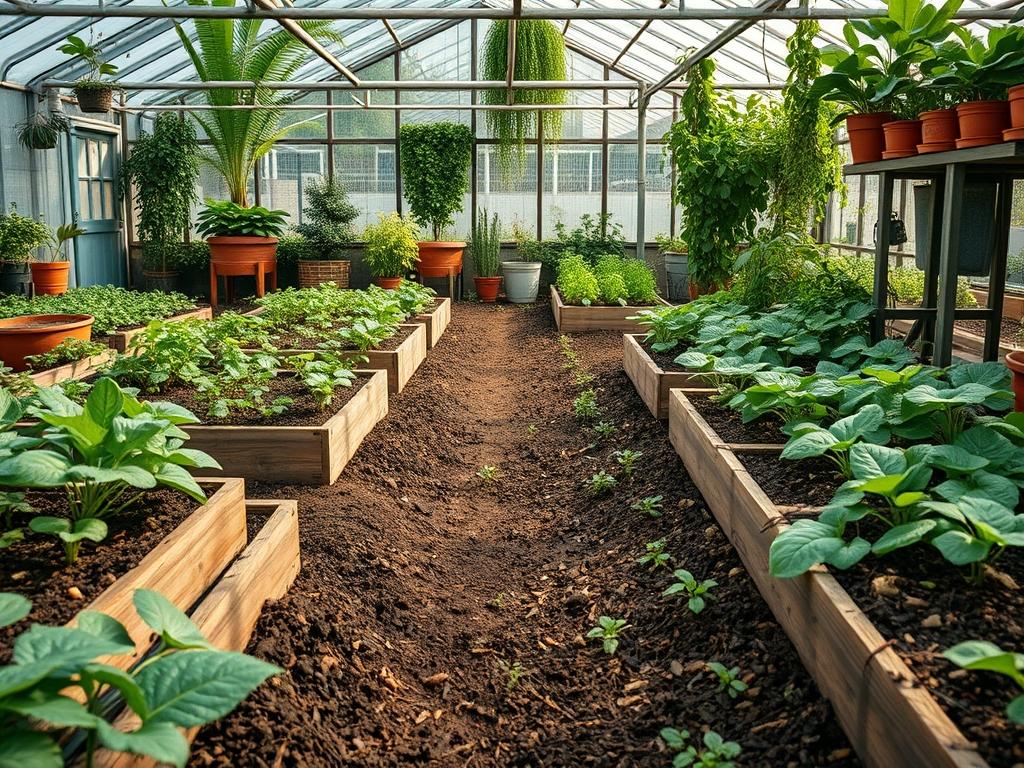
The modern landscape architect no longer relies solely on intuition or the feel of crumbled earth between fingers. Today, the synthesis of aesthetic vision and empirical evidence determines the longevity of a high-end outdoor environment. Interpreting Smart Garden Soil Data has become the cornerstone of sustainable design, allowing us to navigate the complexities of local microclimates and specific site challenges. When we approach a blank canvas, whether it is a sprawling suburban estate or a compact urban courtyard, we must first understand the invisible chemistry occurring beneath the turf. Curb appeal is often considered the primary goal for many homeowners, yet true professional value lies in the functionality and resilience of the ecosystem. A garden that looks magnificent in its first month but withers by the second season is a failure of technical planning. By leveraging real-time data on moisture levels, nutrient density, and soil temperature, we can create environments that thrive with minimal intervention.
Effective landscaping requires a deep understanding of how topography influences water movement. In many coastal or high-rainfall regions, the primary challenge is managing runoff to prevent erosion while maintaining enough hydration for ornamental species. Use of Smart Garden Soil Data allows us to identify localized dry spots or saturated zones that are not visible to the naked eye. This data informs the placement of retaining walls, the selection of backfill materials, and the configuration of subsurface drainage systems. We are moving away from the era of generalized “zone-based” watering. Instead, we use precision sensors to dictate exactly when and where a drip irrigation system should deploy resources. This ensures that every 3-gallon container plant and every 2-inch caliper tree receives the specific volume of water required for its physiological needs.
Landscape Design Principles
Successful landscape architecture balances five key pillars: symmetry, focal points, elevation layers, irrigation efficiency, and visual balance. Symmetry does not necessarily mean a mirror image; rather, it refers to the distribution of visual weight across a viewing plane. In a formal garden, this might involve rows of Buxus sempervirens flanking a central walkway. In a more naturalistic setting, balance is achieved by counteracting a large Quercus rubra with a dense cluster of low-lying shrubs or ornamental grasses. Visual weight is also influenced by color and texture. Coarse textures, such as the large leaves of a Hydrangea macrophylla, appear closer to the observer than the fine needles of a Taxus baccata.
Elevation layers add a three-dimensional quality that transforms a flat lot into an immersive environment. We create these layers through the strategic use of berms, raised planters, and multi-tiered retaining walls. By varying the height of the plantings, we can direct the eye toward specific focal points, such as a custom water feature or a high-end outdoor kitchen. Smart Garden Soil Data plays a crucial role here because different elevation levels experience different rates of evaporation and drainage. A sensor at the top of a slope may report a Volumetric Water Content (VWC) of 15 percent, while a sensor at the base indicates 35 percent. This discrepancy requires distinct irrigation zones to prevent the upper tier from desiccating while the lower tier suffers from root rot.
Walkways and hardscaping elements serve as the skeletal structure of the garden. Whether using bluestone pavers, decomposed granite, or poured concrete, these paths must be wide enough to allow for comfortable movement, typically a minimum of 36 inches for secondary paths and 60 inches for primary entries. The integration of hardscaping must also account for soil compaction. Heavy stone installations can compress the surrounding earth, reducing the pore space for oxygen and water. Professionals use the data from compaction sensors to determine where to incorporate aggressive aeration or soil amendments like expanded shale to maintain a healthy root environment near paved surfaces.
Plant and Material Selection
| Plant Type | Sun Exposure | Soil Needs | Water Demand | Growth Speed | Maintenance Level |
| :— | :— | :— | :— | :— | :— |
| Ilex glabra | Full to Partial | Acidic, Moist | High | Medium | Low |
| Lavandula angustifolia | Full Sun | Gritty, Alkaline | Low | Fast | Medium |
| Acer palmatum | Partial Shade | Loamy, Rich | Moderate | Slow | High |
| Festuca glauca | Full Sun | Well-Drained | Low | Medium | Low |
| Echinacea purpurea | Full Sun | Average, Lean | Moderate | Fast | Low |
| Pachysandra terminalis | Full Shade | Organic, Moist | Moderate | Fast | Low |
Implementation Strategy
The transition from a design blueprint to a physical landscape begins with precise site preparation. We start with a professional site survey using a laser transit level to map the existing grades. Grading is the most critical step in preventing future property damage. The land must fall away from the home’s foundation at a minimum slope of 2 percent, which equates to a 24-inch drop over 100 feet. If the terrain does not naturally allow for this, we install a series of French drains or catch basins connected to a 4-inch non-perforated PVC pipe to move water to a safe discharge point.
Once the grading is established, we outline the garden beds using flexible steel edging or poured concrete curbs. This physical barrier prevents turf grass from encroaching into the mulch and keeps the mulch itself, which should be spread to a depth of 3 inches, from washing onto the lawn. Before any plants go into the ground, we check the Smart Garden Soil Data for NPK (Nitrogen, Phosphorus, Potassium) levels. If the sensors indicate a deficiency, we till in organic compost or specific mineral additives. Large specimens are moved into place using a skid steer or ball cart to avoid disturbing the newly prepped soil structure. Each planting hole is dug to twice the width of the root ball but no deeper than the root flare to ensure proper gas exchange.
Hardscaping follows the planting of major trees. We lay a 6-inch base of compacted 21A gravel topped with 1 inch of bedding sand before setting the pavers. This structural layering prevents the stones from shifting during freeze-thaw cycles. To finish the installation, we apply a polymeric sand in the joints, which hardens to prevent weed growth and insect nesting while remaining flexible enough to withstand minor ground movement.
Common Landscaping Failures
The most frequent mistake in residential landscaping is improper drainage management. When water is allowed to pool at the base of a plant, it displaces oxygen, leading to anaerobic conditions that kill beneficial microbes and rot the root system. Professionals use Smart Garden Soil Data to detect these “invisible puddles.” If a sensor reports high moisture levels for more than 48 hours after a rain event, the drainage is insufficient. We address this by installing subsurface drainage crates or by re-grading the area to include a dry creek bed.
Root overcrowding is another common issue. It is tempting to plant closely for “instant impact,” but this leads to competition for nutrients and stunted growth within three years. We must adhere to the mature spread specifications of each species. For example, a viburnum with a 10-foot mature spread should not be planted 3 feet from a walkway. Furthermore, soil compaction from foot traffic or heavy machinery during construction can turn the earth into a brick-like substance. Without mechanical aeration or the addition of biochar, the soil will fail to support even the hardiest native plants.
Seasonal Maintenance
Spring is the season of activation. We begin by removing protective burlap wraps from sensitive evergreens and applying a crisp edge to all garden beds using an edging spade. This is also the time to recalibrate the Smart Garden Soil Data sensors. We check the battery levels of all LoRaWAN gateways and ensure that the soil temperature has reached a consistent 55 degrees Fahrenheit before applying any pre-emergent herbicides or fertilizers.
Summer focus shifts to hydration management. During heatwaves, we monitor the VWC closely to prevent the soil from reaching its “permanent wilting point.” We may increase the mulch depth by an additional 1 inch in areas exposed to intense afternoon sun to conserve evaporation. Autumn is for renovation. This is the ideal window for core aeration and overseeding of the lawn, as well as planting new trees and shrubs. The cooling air and warm soil provide the perfect environment for root establishment before the ground freezes. Finally, winter is about protection. We shut down the backflow preventer, blow out the irrigation lines with an air compressor, and apply a dormant oil spray to fruit trees and ornamentals to kill overwintering pests.
Professional Landscaping FAQ
How do I interpret high soil salinity data?
High salinity often results from over-fertilization or road salt runoff. To fix this, flush the area with heavy irrigation to leach salts below the root zone. Incorporating gypsum can also help displace sodium in clay-heavy soils.
What is the ideal NPK balance for a new lawn?
For establishment, a ratio like 10-10-10 is standard. Once the turf is mature, use Smart Garden Soil Data to monitor Nitrogen. Most lawns require 1 pound of Nitrogen per 1,000 square feet per growing month for peak health.
Can smart sensors detect root rot before it is visible?
Yes. Sensors detect a drop in water uptake patterns. If the soil remains saturated despite high temperatures and no rain, it suggests the roots are no longer functioning, allowing for early intervention with fungicidal drenches.
Why is soil pH so important for plant color?
The pH level controls nutrient availability. In acidic soils below 5.5 pH, aluminum becomes available, turning Hydrangea macrophylla blue. In alkaline soils above 7.0 pH, iron becomes locked, causing chlorosis or yellowing leaves in Многие species.
How deep should I bury my soil sensors?
For turf, place sensors at a 4-inch depth. For shrubs and trees, place them at 12-inch and 24-inch depths. This multi-level approach provides a complete profile of the moisture available throughout the entire vertical root zone.