
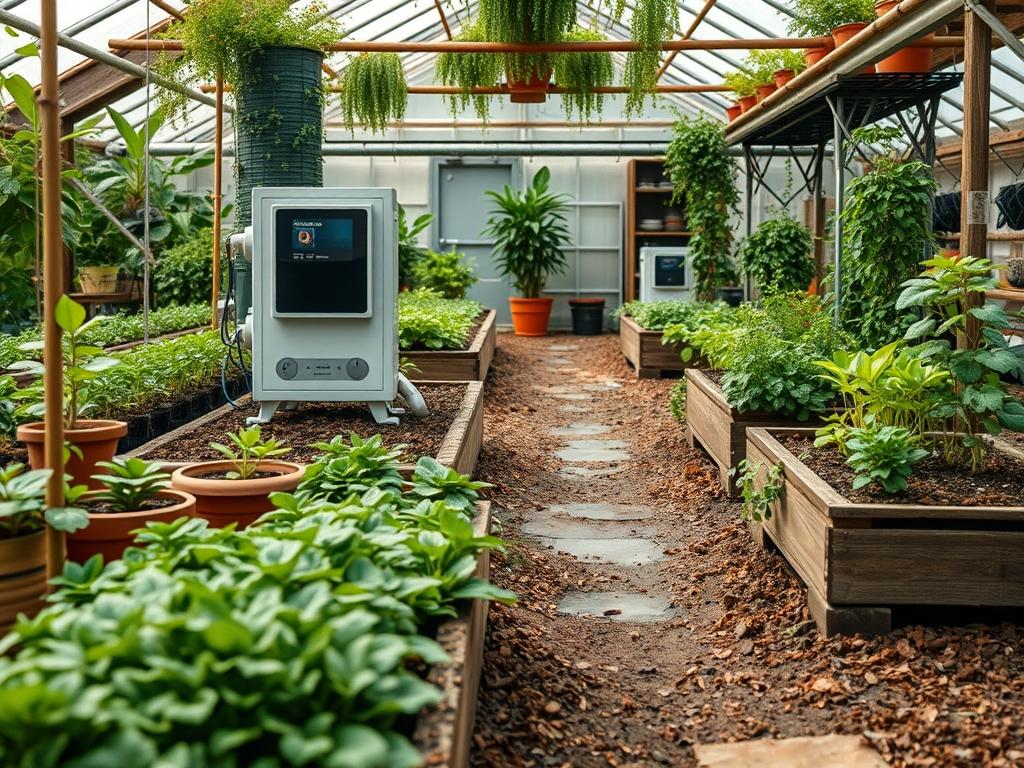
The integration of sophisticated technology into a residential or commercial landscape requires a shift in traditional design thinking. For years, the outdoor environment was treated as a static backdrop to architecture, but the rise of smart homes has transformed gardens into dynamic, functional extensions of the property interior. Implementing Automated Garden Security Hubs represents the pinnacle of this evolution, where security, lighting, and surveillance equipment are embedded directly into the living ecosystem. The primary challenge for any landscape architect lies in balancing the aesthetic integrity of the garden with the technical requirements of high-tech hardware. Modern hubs often require clear lines of sight, stable power connections, and protection from the elements, all while maintaining the curb appeal that homeowners expect. When we approach a site with security in mind, we are not merely planting trees; we are designing a defensive and functional perimeter that utilizes topography, moisture management, and foliage density to enhance the efficacy of the technology. Outdoor functionality is no longer just about a patio and a grill; it is about creating a resilient, monitored environment that adapts to changing weather and security threats in real time.
Landscape Design Principles
Successful installation of Automated Garden Security Hubs relies on fundamental design principles that ensure the hardware complements the flora. Symmetry plays a vital role in establishing a sense of order, especially when hubs are used as anchor points for walkways or gated entries. By placing security towers or sensor housings in a balanced configuration, they appear to be intentional architectural features rather than afterthoughts. Focal points are equally crucial. A well-placed hub can be disguised within a decorative stone plinth or a custom wrought iron sculpture, drawing the eye toward a piece of art while the internal sensors scan the area for movement.
Elevation layers constitute the third pillar of this design approach. A flat garden provides limited depth for both cameras and aesthetic interest. By using retaining walls and tiered planting beds, we can elevate security hubs to a height of 4 feet or higher, granting the optical sensors a wider field of view without requiring unsightly poles. This verticality is mirrored in the plant selection, where we move from ground covers to mid-size shrubs and finally to the canopy.
Irrigation planning must be meticulously coordinated with the placement of electronic hubs. Subsurface drip irrigation is the preferred method here, as it delivers water directly to the root zone and minimizes the overspray that could lead to mineral buildup on camera lenses or sensor windows. Furthermore, walkways should be designed with both accessibility and security in mind. Using permeable pavers or decomposed granite allows for clean lines and easy access for technicians or homeowners to reach the hubs for occasional maintenance. These paths also serve as natural firebreaks and visual borders that define the different zones of the smart garden.
Plant and Material Selection
Selecting the right biological and geological components is essential for a landscape that hosts high-tech equipment. The plants must offer structural support or screening without interfering with signal transmission or motion detection.
| Plant Type | Sun Exposure | Soil Needs | Water Demand | Growth Speed | Maintenance Level |
| :— | :— | :— | :— | :— | :— |
| Boxwood (Buxus) | Full Sun to Shade | Well-Drained | Moderate | Slow | Low (requires pruning) |
| Japanese Forest Grass | Partial Shade | Humus-Rich | High | Moderate | Very Low |
| Wintergreen Barberry | Full Sun | Adaptable | Low | Moderate | Low (thorny security) |
| Panicle Hydrangea | Full Sun/Part Shade | Loamy | High | Fast | Moderate |
| Blue Star Creeper | Full Sun to Shade | Moist | Moderate | Fast | Low |
| Columnar Juniper | Full Sun | Well-Drained | Low | Moderate | Low |
| Lavender | Full Sun | Sandy/Gritty | Very Low | Moderate | Low |
For hardscaping materials, we prioritize durability and signal transparency. Using Western Red Cedar for enclosures provides a natural look that ages beautifully, while natural limestone or slate offers heavy, stable bases for mounting equipment. River rock can be used around the base of the hubs to prevent soil splashing during heavy rains, keeping the lower sensors clean.
Implementation Strategy
The process begins with a detailed site analysis and grading plan. Proper grading is the most critical step in protecting Automated Garden Security Hubs from water damage. The ground must be sloped at a minimum of 2 percent away from the hub base to ensure that heavy rainfall does not pool around the electronic housing. After grading, trenching for electrical conduits and data cables follows. These should be buried at a depth of at least 18 inches and encased in PVC conduit to prevent accidental damage from shovels or garden tools.
Once the infrastructure is underground, we focus on edging. Using steel edging or heavy-duty plastic borders creates a clean separation between manicured turf and the mulch beds where the hubs reside. For the mulch itself, a 3 inch layer of triple-milled hardwood mulch is ideal. This depth is sufficient to suppress weeds and retain moisture for plants, but it is thin enough to prevent the growth of fungi that could release spores onto sensitive equipment.
Hardscaping elements, such as concrete pads or anchored boulders, should be installed next. These provide the physical foundation for the hubs. We ensure that every hub is level and securely bolted to its base. The final stage involves the actual planting. When placing Columnar Junipers or Boxwoods near a hub, leave a minimum clearance of 24 inches to account for mature growth. This prevents the branches from swaying in the wind and triggering false alarms on motion sensors.
Common Landscaping Failures
The most frequent failure we see in professional landscapes is improper drainage. When water accumulates near the base of a security hub, it can lead to humidity spikes within the enclosure, causing lens fogging or even short circuits. Another common mistake is root overcrowding. Planting large trees like Oaks or Maples too close to underground conduits will eventually lead to root systems crushing the pipes, necessitating expensive repairs.
Improper spacing of foliage is another recurring issue. Many homeowners plant for immediate impact, failing to realize that a small shrub will triple in size within three years, eventually obscuring the camera’s view. Soil compaction is also a silent killer of garden health. During the installation of security hubs, heavy machinery often packs the soil down so tightly that oxygen can no longer reach the roots of nearby plants. We use aeration tools and organic compost to mitigate this after the heavy work is completed. Finally, irrigation inefficiencies, such as pointing spray heads directly at a security sensor, can lead to hardware failure through water ingress or lime scaling.
Seasonal Maintenance
A high-tech garden requires a structured maintenance rhythm to keep both the plants and the security hubs functioning at peak performance.
In the spring, the focus is on cleanup and growth management. Use hand pruners to trim any new growth that has begun to encroach on the line of sight of your sensors. Inspect the mulch levels and refresh them if they have decomposed to less than 2 inches. This is also the time to check the irrigation system for leaks and to recalibrate the smart controllers for the upcoming growing season.
Summer maintenance involves managing the heat. Ensure that the hubs are not being overheated by reflected light from white walls or glass. Using mulch to keep the ground cool around the base of the hubs can help regulate the temperature of the internal electronics. Monitor the water needs of your Panicle Hydrangeas and other high-demand plants, but avoid overwatering, which can lead to increased humidity.
Autumn is the season for debris removal. Falling leaves can pile up against the hubs, creating a fire hazard or a nesting spot for rodents that might chew on wires. Use a leaf blower or stiff rake to clear the area around the equipment. This is also the time to prune back perennials and prepare the soil with a light application of slow-release fertilizer.
Winter requires vigilance against moisture and ice. If you live in a climate with snow, ensure that your Automated Garden Security Hubs are cleared after every storm. Snow accumulation can block thermal sensors and weigh down nearby branches into the field of view. Check the seals on all outdoor enclosures to ensure that the freezing and thawing cycles have not cracked the weatherproofing.
Professional Landscaping FAQ
How do I hide security cameras without blocking their view?
Integrate them into Automated Garden Security Hubs disguised as lighting bollards or decorative pillars. Use thin-leafed plants like Ornamental Grasses nearby; they provide a soft visual screen while allowing sensors to maintain clear sightlines through the foliage.
What is the best mulch to use around electronic hubs?
Use non-floating mulch like crushed stone or shredded hardwood. Avoid light materials like pine straw, which can blow away and cover sensors. Stone provides the best stability and drainage for the concrete bases supporting your security hardware.
How deep should I bury the power lines for my garden hubs?
Standard residential codes typically require a depth of 18 inches for PVC conduit. Using a trenching tool, ensure the path is clear of large tree roots to prevent future damage. Always mark the lines with warning tape before backfilling.
Can I use automated sprinklers near my security hubs?
Yes, but use low-trajectory nozzles or drip emitters to keep water away from the housing. Direct spray can cause mineral deposits on lenses. Ensure the hub enclosures are rated at IP65 or higher for water resistance to be safe.
How do I keep spiders and insects away from my security sensors?
Plant Lavender or Peppermint near the base of the hubs, as these natural scents deter many insects. Additionally, apply a micro-encapsulated insecticide around the mounting bracket of the Automated Garden Security Hubs twice a year to prevent web buildup.