
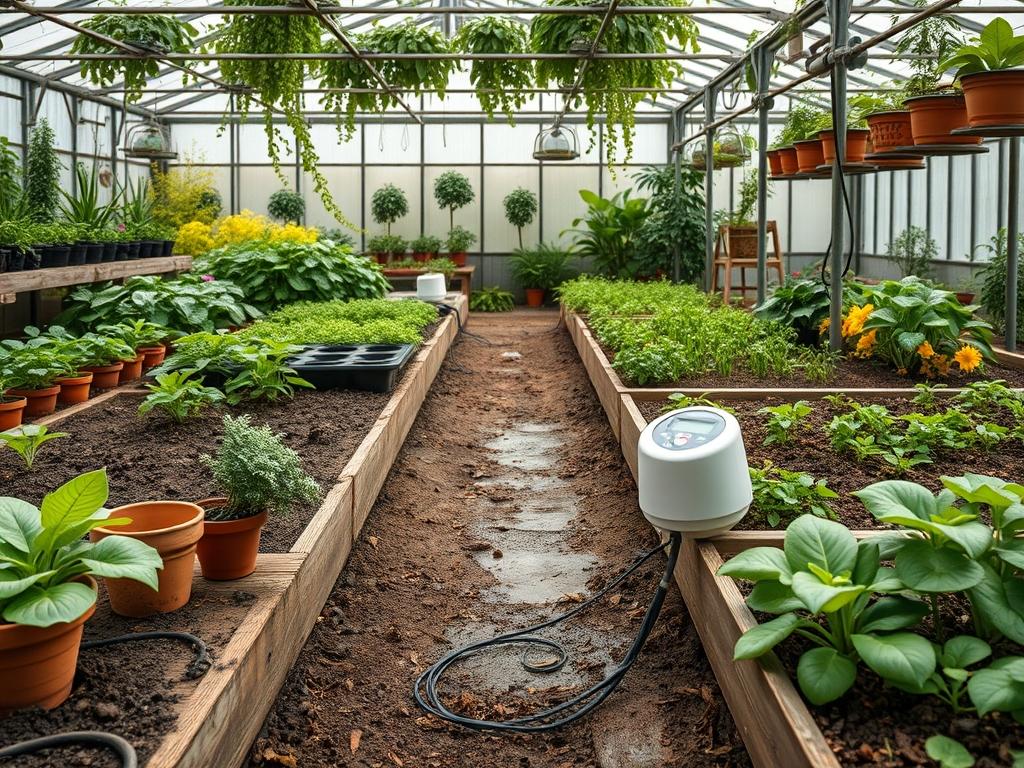
The modern landscape is a dynamic ecosystem that demands more than a simple aesthetic arrangement of greenery. As a landscape architect, I look at residential and commercial properties through a lens of sustainability, structural integrity, and long term maintenance. Homeowners often struggle with the balance between achieving high curb appeal and managing the rising costs of water and labor. This is where Smart Irrigation Sensor Tech becomes an essential component of the design process. It bridges the gap between traditional gardening and precision environmental management, ensuring that every drop of water contributes to the health of the plant rather than running off into the street or evaporating prematurely. Achieving a lush, vibrant yard requires a strategy that respects the local climate and the specific microclimates within your own property. Without proper data and automated precision, even the most expensive horticultural installations are at risk of failure.
Landscape Design Principles
Successful landscaping is built upon a foundation of structural harmony and resource management. We begin with the concept of symmetry and visual balance. This does not always mean a “mirror image” design, but rather a distribution of visual weight that guides the eye naturally through the space. Focal points, such as a large Specimen Oak or a custom Flagstone water feature, command attention and provide a sense of purpose to the layout. To add depth, we utilize elevation layers. By installing Retaining Walls or creating berms, we introduce vertical interest that breaks up a flat, monotonous lawn.
A critical but often overlooked principle is hydrozoning. This involves grouping plants with similar water requirements together. When you integrate Smart Irrigation Sensor Tech, hydrozoning allows the system to deliver precise amounts of moisture to a “high-water zone” containing Hydrangeas without overwatering a “low-water zone” of Agave. Irrigation planning must happen simultaneously with the initial layout, not as an afterthought. We design the placement of PVC Lateral Lines and Sprinkler Heads to provide 100 percent head-to-head coverage, minimizing dry spots and wasted water. Furthermore, walkways should be designed with a slight grade to ensure that heavy rains flow toward drainage basins rather than pooling on hardscaping surfaces.
Plant and Material Selection
Choosing the right flora is about more than color. It is about biological compatibility. The following table outlines standard selections for a balanced temperate or transitional landscape.
| Plant Type | Sun Exposure | Soil Needs | Water Demand | Growth Speed | Maintenance Level |
| :— | :— | :— | :— | :— | :— |
| Boxwood Shrub | Full Sun to Shade | Well-Drained | Medium | Slow | Moderate |
| Lavender | Full Sun | Sandy/Gravelly | Low | Moderate | Low |
| Japanese Maple | Partial Shade | Loamy/Acidic | Moderate | Slow | High |
| Tall Fescue | Full Sun/Partial | Nitrogen-Rich | High | Fast | High |
| Coneflower | Full Sun | Poor to Average | Low | Fast | Low |
| Blue Spruce | Full Sun | Moist/Rich | Medium | Slow | Low |
In addition to plants, material selection defines the longevity of the design. Crushed Granite provides an excellent permeable surface for pathways, while Double-Shredded Hardwood Mulch helps retain moisture and suppress weeds. When choosing Smart Irrigation Sensor Tech, consider how different soil types, like heavy clay versus porous sand, affect the sensor’s readings. A Soil Moisture Sensor buried 6 inches deep will provide different data than a weather-based ET (Evapotranspiration) Controller that relies on atmospheric conditions.
Implementation Strategy
The transition from a blueprint to a living garden requires a disciplined sequence of operations. The process begins with Grading. You must ensure the ground slopes away from any permanent structures at a minimum rate of 2 percent. This prevents foundation damage and optimizes the flow of surface water. Once the grade is established, we move to hardscaping. This includes the installation of Paver Patios, Boulders, and permanent Edging materials like Rolled Steel or Heavy-Duty Composite. These elements create the skeleton of the landscape.
Next, we address the underground infrastructure. This is the optimal time to install the Smart Irrigation Sensor Tech components. For a comprehensive system, you should install a Main Line with a Backflow Preventer to ensure domestic water safety. When placing sensors, they should be located in a “representative area” of the zone. For example, a Rain Sensor must be mounted in an unobstructed location, away from tree canopies or roof overhangs, to provide accurate precipitation data.
After the infrastructure is buried, we focus on soil preparation. We often incorporate 3 inches of Organic Compost into the top 6 inches of Soil to improve Tilth. When the plants are in the ground, apply a layer of 3 inches of Mulch to insulate the roots. Finally, the irrigation system is calibrated. Using a Pressure Gauge, we ensure each zone operates at the optimal 30 to 50 PSI to prevent misting, which leads to evaporation.
Common Landscaping Failures
The most frequent error in professional landscaping is poor drainage. Without a proper French Drain or a well-calculated grade, water accumulates in the root zones of expensive plants, leading to root rot and fungal diseases. Even the most advanced Smart Irrigation Sensor Tech cannot save a plant that is sitting in stagnant water. Another common mistake is root overcrowding. It is tempting to plant closely for immediate impact, but a 1-gallon shrub may grow to be 5 feet wide. Ignoring mature size results in a tangled mess that restricts airflow and promotes pest infestations.
Irrigation inefficiency is the third pillar of failure. Many homeowners rely on simple mechanical timers that run regardless of weather conditions. This leads to “cycling and soaking” issues, where the water is applied faster than the soil can absorb it. Smart Irrigation Sensor Tech solves this by using real-time data to pause cycles during rain events or high wind. Soil compaction also kills many landscapes. Using a Skid Steer or heavy machinery over planting beds compresses the soil pores, cutting off oxygen to the roots. Always use Aeration Tools to remediate compacted areas before planting.
Seasonal Maintenance
Landscape management is a year-round commitment. In the spring, the focus is on “awakening” the system. This involves a full inspection of the irrigation system, changing the batteries in your Wireless Sensors, and checking Nozzles for clogs. Applying a Pre-Emergent Herbicide and a high-nitrogen Fertilizer helps the lawn recover from winter dormancy.
Summer is the season of stress management. This is when your Smart Irrigation Sensor Tech proves its value. During heat waves, the sensors will detect the rapid drop in soil moisture and adjust the frequency of watering. It is vital to maintain a sharp Mower Blade during this time; dull blades tear the grass, making it more susceptible to drought.
Autumn is for renovation. This is the ideal time for Core Aeration and Overseeding. You should also adjust your irrigation controller to account for cooler temperatures and shorter days. Finally, winter involves protection. In colder climates, we must perform a “blow-out” of the irrigation lines using an Air Compressor to prevent the PVC Pipes from freezing and bursting. Apply a fresh layer of Mulch to perennial beds to provide a thermal blanket for the winter months.
Professional Landscaping FAQ
How do soil moisture sensors differ from weather-based controllers?
Soil moisture sensors measure the actual water content at the root zone via electrical conductivity. Weather-based controllers, or ET sensors, calculate watering needs based on local weather data, including temperature, solar radiation, and wind, to estimate how much water the plants have lost.
What is the best way to prevent weeds permanently?
There is no permanent solution, but a combination of heavy-duty Geotextile Fabric, 3 inches of Mulch, and consistent use of Pre-Emergent Herbicides is the most effective strategy. Healthy, dense turf also naturally outcompetes weeds for sunlight and nutrients.
Where should I place my smart rain sensor?
Mount the sensor in an open area where it can freely collect rainfall. Avoid placing it under eaves, near large trees, or close to heat-radiating surfaces like chimneys, as these will provide inaccurate readings and cause the system to malfunction.
Why is drainage more important than irrigation?
While plants need water, excessive stagnant water kills roots faster than drought. Proper drainage, using Catch Basins and Perforated Pipe, ensures that the soil remains oxygenated. Irrigation can be added easily, but fixing structural drainage after a landscape is finished is expensive.
Does smart irrigation tech really save money?
Yes. By preventing watering during rain and adjusting for specific soil saturation levels, smart sensors typically reduce water waste by 30 to 50 percent. Over time, these utility savings cover the initial investment of the Smart Controller and sensor hardware.