
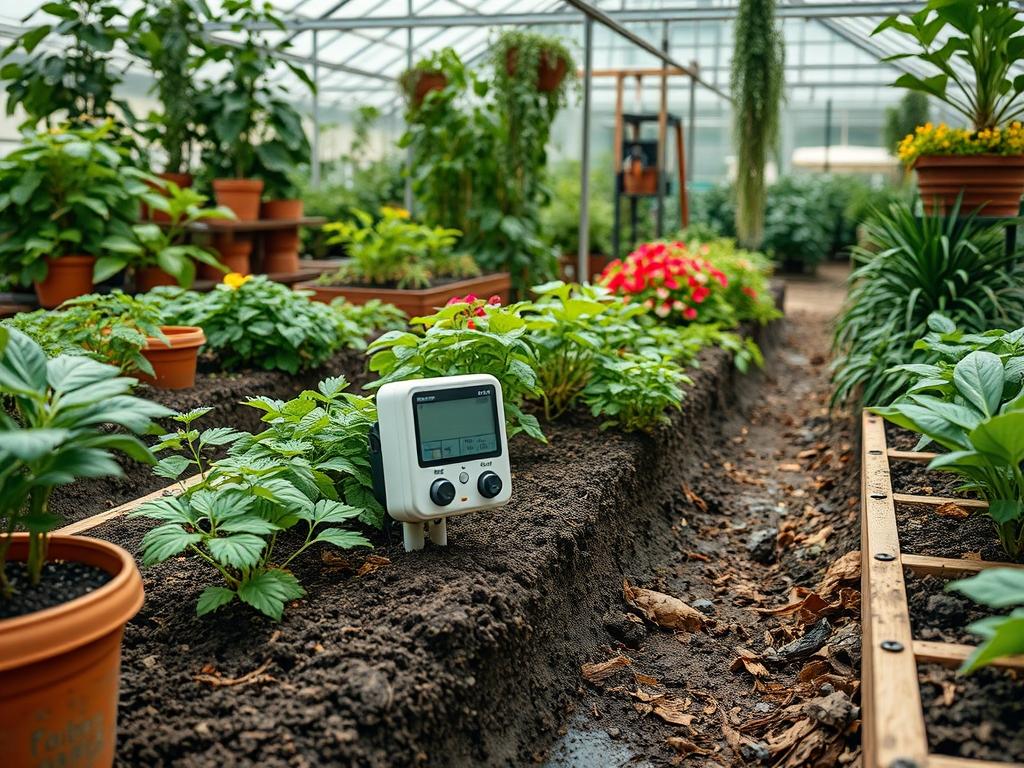
The transformation of a residential exterior begins long before the first shovel enters the ground. It starts with a comprehensive vision of how light, shadow, and structure interact across the different hours of the day. A well executed landscape design balances the aesthetic appeal of ornamental plantings with the functional requirements of drainage, safety, and accessibility. However, the most sophisticated layout can lose its impact the moment the sun dips below the horizon if the lighting scheme is neglected. This is where Smart Garden Light Timers serve as the bridge between static design and a living, breathing environment. By automating the schedule of your outdoor illumination, you ensure that your investment in Natural Stone Pavers and specimen trees is never hidden by darkness. Modern landscape architecture focuses on curbside appeal as a twenty four hour metric, requiring a strategic approach to how we manage energy consumption and visual hierarchy through automation.
As a landscape architect, I view light as a structural material similar to Concrete or Timber. It has weight, direction, and the power to alter the perceived dimensions of a backyard. When planning an outdoor space, we must consider the climate of the region, the specific needs of the soil, and the movement of the inhabitants. A garden that feels inviting at noon should feel safe and atmospheric at midnight. The integration of Smart Garden Light Timers allows for a dynamic response to the seasons, adjusting the duration of light as the days shorten in winter or lengthen in summer. This level of control prevents the common issue of light pollution, where unnecessary brightness spills into neighboring windows or washes out the night sky. Instead, we can curate a precise sequence of illumination that follows the rhythms of the household, highlighting architectural features precisely when they are most needed.
Landscape Design Principles
Successful landscape design relies on a foundation of symmetry and the intentional placement of focal points. When we design for a client, we look at the elevation layers of the property. The foreground typically consists of low lying groundcovers or River Rock, while the midground features shrubs and perennials. The background is anchored by canopy trees or Privacy Fences. Lighting must follow this same layered logic. By using Smart Garden Light Timers, we can program different zones to activate at different times. For instance, the safety lighting along Flagstone Walkways might turn on at sunset, while the dramatic uplighting on a Japanese Maple might be reserved for later in the evening when the family moves to the patio.
Visual balance is not just about placing the same number of plants on each side of a door. It involves balancing the weight of shadows against the intensity of the light. We often use Path Lights spaced at 6 foot intervals to create a rhythmical guide for the eye. If these lights are left on a manual switch, they are often forgotten, leading to wasted electricity or a dark, hazardous entrance. Automation through a smart system ensures that the symmetry of your design is maintained even when you are not home. Furthermore, irrigation planning must be coordinated with your lighting layout. You should never place high intensity LED Spotlights directly under the spray path of a Rotary Sprinkler, as mineral deposits from the water will eventually cloud the lenses and dim the output.
Plant and Material Selection
Choosing the right components for your garden involves understanding the symbiotic relationship between hardware and biology. The following table outlines several popular selections that thrive under professional cultivation and pair beautifully with automated lighting schemes.
| Plant Type | Sun Exposure | Soil Needs | Water Demand | Growth Speed | Maintenance Level |
| :— | :— | :— | :— | :— | :— |
| Boxwood Shrub | Full Sun to Shade | Well-Drained | Moderate | Slow | Medium |
| Lavender | Full Sun | Sandy/Gravelly | Low | Moderate | Low |
| Hostas | Full Shade | Organic Loam | High | Moderate | Low |
| Japanese Maple | Partial Shade | Slightly Acidic | Moderate | Slow | High |
| Ornamental Grass | Full Sun | Adaptable | Low | Fast | Low |
| Hydrangea | Partial Sun | Rich/Moist | High | Moderate | Medium |
When selecting materials for transitions and borders, Steel Edging or Tumbled Brick provide clean lines that catch the light at low angles. For the ground plane, a 3 inch Layer of Double Shredded Hardwood Mulch is the industry standard for moisture retention and weed suppression. This dark backdrop is perfect for night lighting, as it absorbs light rather than reflecting it, allowing the vibrant green of the foliage to stand out more prominently.
Implementation Strategy
The actual rollout of a landscape plan requires a disciplined sequence of events. First, you must address the grading of the site. A minimum 2 percent slope away from the home’s foundation is required to prevent water accumulation. Once the land is shaped, we install the hardscaping, including any Retaining Walls built from Natural Limestone or Pre-cast Blocks. During this phase, it is vital to lay your PVC Conduit for the electrical lines. Even if you do not plan to install every light fixture immediately, having the underground infrastructure in place will save significant labor costs in the future.
The next step is the installation of the Low Voltage Transformer and the Smart Garden Light Timers. These devices should be mounted in a discreet location, protected from direct rainfall. When wiring the system, use 12-Gauge Landscape Wire for runs exceeding 50 feet to prevent voltage drop, which can cause lights at the end of the line to appear dimmer. Once the hard elements are in place, the softscaping begins. This involves amending the soil with Organic Compost, planting the larger specimen trees first, and then filling in with smaller shrubs. Finally, apply your mulch and set your timer schedules. I recommend a staggered start where the perimeter lights activate ten minutes before the focal point lights to create a sense of depth as the evening progresses.
Common Landscaping Failures
One of the most frequent mistakes I see in residential projects is improper drainage management. When water is not directed away from the planting beds, it creates soil compaction and root rot. If you have installed Smart Garden Light Timers and high end fixtures, standing water can also corrode electrical connections or lead to a short circuit in the Low Voltage System. Another common error is root overcrowding. Homeowners often buy plants based on their size at the nursery, failing to account for their mature width. A Lilac Bush might look fine today, but in five years, it will block your walkway and bury your Path Lights in dense foliage.
Irrigation inefficiencies also plague many gardens. Over-watering is just as damaging as under-watering, particularly for drought tolerant species like Sage or Agave. Using a smart controller for both your lights and your water can harmonize these two systems. Lastly, many people ignore the importance of cable depth. Any wiring not encased in conduit should be buried at least 6 inches deep. This prevents accidental cuts from an Edger or a Garden Spade during routine maintenance. If your lights start flickering, the first place to check is often a shallow wire that has been nicked or crushed by foot traffic.
Seasonal Maintenance
A garden is a dynamic environment that requires different interventions as the calendar turns. In the spring, the focus is on cleanup and preparation. You should prune any dead wood from your Roses and check the alignment of your light fixtures. Winter frost can cause the ground to heave, occasionally tilting Well Lights or Garden Stakes out of their vertical position. This is also the time to update the astronomical settings on your Smart Garden Light Timers to ensure they align with the earlier sunrises.
Summer brings the challenge of heat stress. Ensure your Drip Irrigation system is functioning and adjust your lighting timers to stay on later for various outdoor social events. In autumn, the primary task is leaf management. A thick layer of wet leaves can trap moisture against your Brass Light Fixtures and cause finish degradation. Clear the debris away from all lenses to maintain maximum brightness. Finally, in winter, we prepare for dormancy. Wrap any sensitive Evergreen Shrubs in Burlap if you live in a region with heavy snow. For your lighting, consider shortening the run time of your Smart Garden Light Timers to conserve energy during the months when the garden is viewed primarily from behind a window rather than experienced from the patio.
Professional Landscaping FAQ
What is the benefit of a low voltage system?
Low voltage systems, typically 12 volts, are safer for DIY installation and consume significantly less energy than traditional line voltage. They are also easier to move as your plants grow and the landscape layout evolves over several years.
How deep should my landscape edging be?
Professional Steel Edging should typically be installed so that 4 inches of the material is below the soil line. This creates an effective barrier that prevents the roots of turf grass from invading your ornamental planting beds and mulch.
Can I use smart timers with old incandescent bulbs?
While possible, it is not recommended. LED Bulbs are the superior choice for use with Smart Garden Light Timers because they handle frequent on and off cycles better and draw much less power, extending the life of the transformer.
How do I prevent my outdoor lights from being too bright?
The key is to use fixtures with Shielded Caps that direct light downward. Focus on illuminating the ground or specific textures rather than pointing light into the air. This technique, called downlighting, creates a much more natural and sophisticated ambiance.
What is the best way to hide landscape wires?
The most effective method is to tuck them under a 3 inch layer of mulch or bury them along the edge of a Stone Border. For permanent installations, running wires through Flexible Conduit provides the best protection against garden tools and pests.