
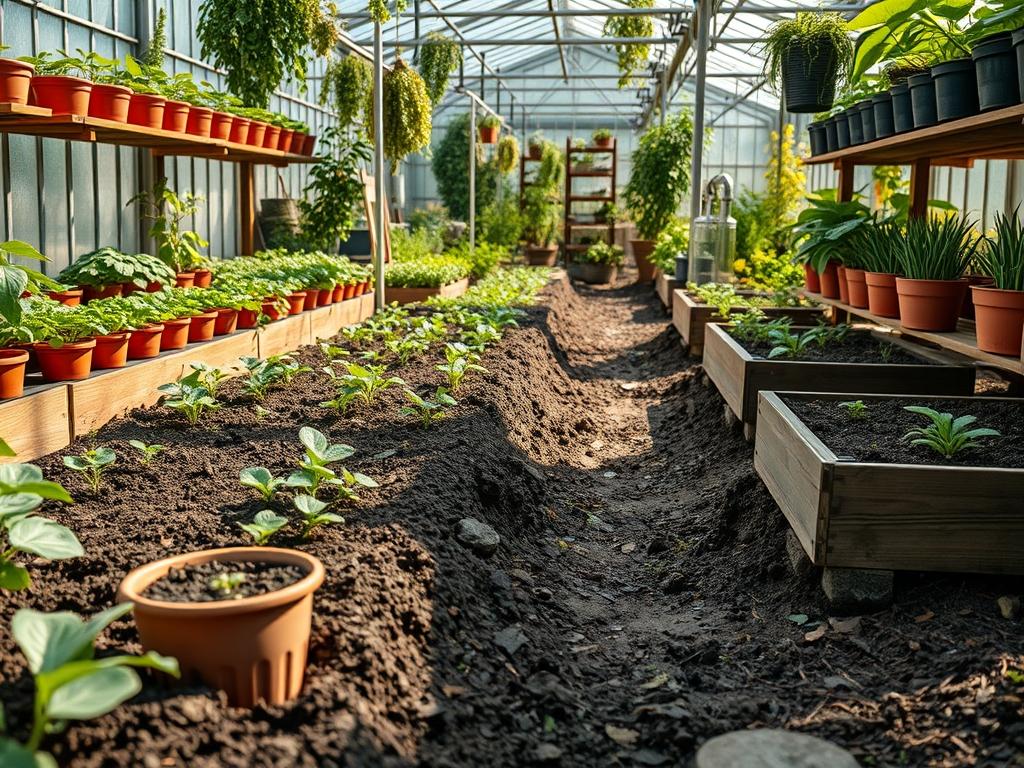
Every ambitious landscape project begins with a rigorous site analysis that extends far beneath the surface of the turf. For the modern landscape architect, the challenge lies in balancing immediate curb appeal with the long term biological viability of the estate. Climate considerations, such as fluctuating humidity and subsurface temperature swings, dictate which species will thrive and which will become a maintenance liability. Smart Garden Soil Testing provides the foundational data necessary to make these decisions with surgical precision. By moving away from traditional reactive gardening and toward proactive data management, property owners can ensure their outdoor environments function as seamless extensions of their living spaces. Accurate testing reveals the hidden dynamics of nutrient availability and moisture retention, allowing for a design that balances aesthetic grandeur with environmental responsibility.
Landscape Design Principles
Successful landscape design is rooted in the interplay of symmetry, focal points, and elevation layers. When planning a site, we look for visual balance that guides the eye toward specific architectural features or natural vistas. A well placed Granite Water Feature or a specimen tree serves as a focal point, but its placement must be justified by the soil’s ability to support its weight and its health requirements. Elevation changes are managed through the use of Retaining Walls, which provide vertical interest and facilitate drainage. Smart Garden Soil Testing plays a critical role here by identifying areas of high salinity or acidity that might corrode hardscape materials or inhibit the growth of focal plantings.
Irrigation planning must be integrated into the initial design phase rather than added as an afterthought. By utilizing Smart Irrigation Controllers linked to soil moisture sensors, we can create custom hydrozones that cater to the specific needs of different plant groupings. Walkways and paths should be designed with both flow and permeability in mind; choosing materials like Permeable Pavers ensures that rainwater reaches the subsoil rather than sheeting off into the storm drains. This holistic approach ensures that every element, from the Flagstone Path to the Perennial Border, works in harmony with the site’s natural topography.
Plant and Material Selection
The selection of plant material is where the data from Smart Garden Soil Testing becomes most actionable. Designers can match the local soil’s pH and cation exchange capacity to the specific needs of high performing species. Below is a selection of plants commonly used in professional landscape designs, categorized by their environmental requirements.
| Plant Type | Sun Exposure | Soil Needs | Water Demand | Growth Speed | Maintenance |
| :— | :— | :— | :— | :— | :— |
| Buxus sempervirens | Full Sun to Part Shade | Well-Drained, Neutral | Moderate | Slow | High (Pruning) |
| Echinacea purpurea | Full Sun | Lean, Well-Drained | Low | Medium | Low |
| Taxus baccata | Full Shade to Sun | Moist, Chalky | Moderate | Slow | Medium |
| Miscanthus sinensis | Full Sun | Rich, Loamy | Moderate | Fast | Low |
| Acer palmatum | Dappled Shade | Slightly Acidic, Rich | High | Slow/Medium | Medium |
| Lavandula angustifolia | Full Sun | Gritty, Alkaline | Very Low | Medium | Low |
Implementation Strategy
The transition from a design on paper to a physical landscape requires a structured implementation strategy. The process starts with careful Grading to ensure that water moves away from the home’s foundation and toward designated drainage basins. During this phase, we use a Transit Level to establish precise elevation markers. Once the rough grade is established, the soil profile is assessed using a Digital pH Meter and an EC Sensor to determine if soil amendments like Gypsum or Elemental Sulfur are required.
Edging provides the clean lines necessary for professional curb appeal. We recommend using Steel Edging or Paver Restraints to create a permanent boundary between turf and planting beds. When planting begins, the depth of the Organic Mulch is critical; a layer of 3 inches is typically sufficient to suppress weeds and retain moisture without suffocating the root flares of trees. Drainage solutions, including French Drains and Catch Basins, should be installed prior to the final planting to avoid disturbing the root systems of newly installed specimens. This sequence ensures that the hardscaping and softscaping are integrated into a stable, long lasting ecosystem.
Common Landscaping Failures
The most frequent failures in residential landscapes stem from a lack of technical foresight during the planning stages. Nutrient deficiencies are often misdiagnosed as underwatering, leading to root rot when homeowners increase irrigation. This is why Smart Garden Soil Testing is indispensable; it distinguishes between a lack of water and a lack of available Nitrogen, Phosphorus, or Potassium. Soil compaction is another silent killer, particularly in new developments where heavy machinery has compressed the earth. Compacted soil lacks the pore space necessary for oxygen to reach the roots, essentially suffocating the plants regardless of how much fertilizer is applied.
Improper spacing is an aesthetic and biological error. Many designers plant for immediate impact, forgetting that a Thuja Occidentalis will eventually reach a significant width, leading to overcrowding and fungal issues due to poor airflow. Furthermore, irrigation inefficiencies often result from a “set it and forget it” mentality. Without constant data from a Tensiometer or a Smart Soil Probe, irrigation systems may run during rainstorms or fail to provide enough water during extreme heat, wasting resources and stressing the landscape.
Seasonal Maintenance
Seasonal maintenance is the key to protecting the long term investment of a professionally designed landscape. In the spring, the focus should be on recalibrating IoT Soil Sensors and checking the accuracy of the Digital NPK Probes. This is also the time for a deep core aeration to combat compaction and the application of a Slow Release Fertilizer based on the data gathered during the spring soil test.
Summer maintenance shifts toward moisture management. As temperatures rise, monitoring the Evapotranspiration Rate through a smart weather station helps adjust irrigation cycles to prevent wilt. In autumn, the focus turns to soil building. Applying Compost and Biochar helps replenish organic matter spent during the growing season. Finally, winter is the season for dormant pruning and protecting sensitive root zones with a fresh layer of Bark Mulch. By following a data driven maintenance schedule, the landscape remains resilient against pests and environmental stressors throughout the entire year.
Professional Landscaping FAQ
How often should I use Smart Garden Soil Testing?
For residential estates, a comprehensive test should occur every spring. However, using Continuous Monitoring Probes provides real-time data on moisture and salinity, allowing for immediate adjustments throughout the primary growing season to ensure optimal plant health and resource efficiency.
What is the most accurate way to measure soil pH?
While paper strips are inexpensive, the most accurate method involves using a calibrated Digital pH Meter with a high quality electrode. For the best results, mix soil with distilled water to create a slurry before taking the measurement.
Can smart sensors detect specific nutrient deficiencies?
Current IoT Soil Sensors are excellent at measuring overall Electrical Conductivity, which correlates with total salt and nutrient concentration. For specific breakdowns of Nitrogen, Phosphorus, and Potassium, laboratory analysis or high end Digital Spectrophotometers are the preferred professional tools.
Why is soil drainage more important than soil fertility?
Plants can survive in lean soil with proper fertilization, but few can survive in anaerobic, waterlogged conditions. Without proper drainage, roots cannot access oxygen, leading to rapid decay. Smart sensors help identify these invisible saturation zones before plants die.
How does smart testing improve irrigation efficiency?
Smart testing tools like Soil Moisture Sensors communicate directly with your irrigation clock. This prevents the system from running when the root zone is already saturated, saving thousands of gallons of water and preventing the leaching of essential soil nutrients.