
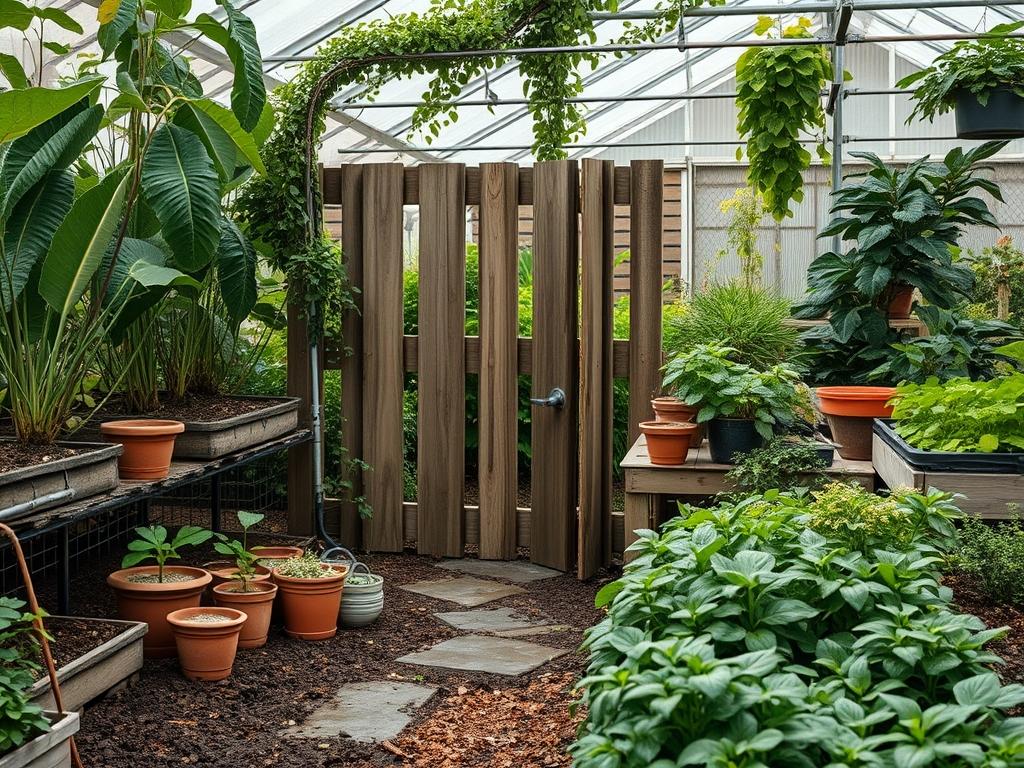
Designing a modern landscape requires a delicate balance between aesthetic elegance and technological integration. For the contemporary homeowner, the entry point of the garden serves as the primary transition from the public world to a private sanctuary. Integrating Automated Garden Gate Locks into this transition is more than a simple security upgrade; it is a fundamental shift in how we approach perimeter design and curb appeal. When a gate operates autonomously, the surrounding landscape must support its mechanical needs while concealing the cold, industrial nature of the hardware. High-tech features like biometric scanners, keypad entries, and remote connectivity require a stable environment, free from excessive moisture and shifting soils. The challenge lies in creating a garden that looks wild and natural yet functions with the precision of a high-end electronic device. To achieve this, a landscape architect must consider how hardscape materials, plant growth patterns, and irrigation systems interact with the sensitive electronics of modern gate hardware.
The functionality of the outdoor environment depends heavily on climate considerations. In humid regions, corrosion-resistant metals like stainless steel or treated aluminum are essential for the lock housing. In colder climates, the focus shifts to frost heave prevention, as even a minor shift in gate post alignment can cause Automated Garden Gate Locks to jam or fail to latch. Beyond security, these systems enhance the flow of the garden, allowing for a seamless entry that does not require the physical handling of heavy latches or the fumbling for keys. By planning for these elements early in the design phase, we can ensure that the technology feels like a natural extension of the garden rather than an afterthought.
LANDSCAPE DESIGN PRINCIPLES
Effective landscape design starts with the concept of symmetry and visual weight. The main entrance, featuring a gate with smart technology, acts as the primary focal point of the property. To emphasize this, designers often use flanking elements such as oversized stone pillars or heavy boxwood hedges to anchor the gate. The symmetry of these elements directs the eye toward the entry, signaling its importance. Visual balance is achieved by mirroring the height of the gate with vertical plant life or architectural lighting, creating a sense of permanence and strength.
Elevation layers are equally critical when integrating tech-heavy hardware. A gate should never sit at the lowest point of a property where water naturally pools. Instead, the entry should be slightly elevated on a compacted gravel or concrete pad, screened by tiered plantings that graduate from groundcovers to mid-sized shrubs. This layering provides a soft aesthetic while ensuring that the components of Automated Garden Gate Locks remain dry and accessible. Furthermore, irrigation planning must account for the gate area, ensuring that spray heads do not direct water directly onto keypad interfaces or electronic strike plates.
Walkways leading to and from the gate should be constructed with materials that complement the gate frame. If the gate uses sleek, black powder-coated steel, a walkway of basalt pavers or slate can create a cohesive look. Designers must also consider the line of sight. A gate serves as a frame for the view beyond; therefore, the path should be clear and well-lit. Low-voltage LED lighting integrated into the walkway or the gate posts themselves provides safety and highlights the modern textures of the gate materials at night.
PLANT AND MATERIAL SELECTION
Choosing the right materials and plants is vital for protecting the longevity of gate automation. Metals such as anodized aluminum or marine-grade stainless steel are preferred for the lock mechanisms because they resist oxidation. For the gate itself, composite materials or Western Red Cedar offer a blend of durability and natural beauty. When selecting plants, avoid species with invasive root systems or those that drop excessive sap and debris, as these can interfere with the gate’s moving parts and the sensitivity of the locking sensors.
| Plant Type | Sun Exposure | Soil Needs | Water Demand | Growth Speed | Maintenance Level |
| :— | :— | :— | :— | :— | :— |
| English Yew | Full Sun to Shade | Well-drained, Alkaline | Moderate | Slow | Low |
| Japanese Forest Grass | Partial Shade | Moist, Humus-rich | High | Medium | Moderate |
| Skyrocket Juniper | Full Sun | Sandy, Well-drained | Low | Fast | Low |
| Dwarf Boxwood | Full Sun to Part Shade | Loamy, Neutral | Moderate | Slow | High (Pruning) |
| Blue Oat Grass | Full Sun | Dry, Rock-heavy | Low | Medium | Low |
| Star Jasmine | Full Sun to Part Shade | Fertile, Well-drained | Moderate | Fast | Moderate |
IMPLEMENTATION STRATEGY
The implementation of a tech-enabled garden begins with grading and drainage. Before any hardware is installed, the terrain must be sloped away from the gate posts at a minimum of a two percent grade. This prevents water from undercutting the foundation of the gate. For the gate posts themselves, we recommend an excavation depth of at least 36 inches, or below the local frost line, to ensure the gate leaves remain perfectly level. If the gate becomes misaligned by even a fraction of an inch, the Automated Garden Gate Locks may fail to engage correctly.
Next, prioritize the routing of power and data cables. Use 1-inch PVC conduit buried at least 18 inches deep to protect wiring from garden tools and rodents. The transition from the conduit to the gate post should be watertight, utilizing liquid-tight flexible connectors. For the hardscaping surrounding the gate, use edge restraints to prevent pavers from shifting into the gate’s path. A layer of 3 inches of hardwood mulch or decorative river rock can be applied around the base of the gate pillars to suppress weeds and maintain soil moisture without creating a muddy environment.
Finally, consider the transition zones of the backyard. The path leading from the automated gate into the main garden should use flagstone or pavers set in a polymeric sand base. This creates a stable, weed-free surface that maintains its structure over time. By coordinating the timing of the hardscape installation with the electrical contractor, the landscape architect ensures that all wires are hidden beneath the final surface, preserving the uncluttered modern aesthetic of the garden.
COMMON LANDSCAPING FAILURES
One of the most frequent mistakes in modern landscaping is ignoring the long-term impact of root systems on hardscape and gate foundations. Planting large trees like Willow or Silver Maple too close to an entrance can lead to root intrusion that cracks concrete pads and shifts the gate posts. This mechanical displacement is the primary cause of failure for Automated Garden Gate Locks. Always research the mature root spread of any plant placed within 10 feet of the gate area.
Soil compaction is another silent failure point. During construction, heavy machinery can compact the soil, leading to poor drainage and “ponding” around the gate. This standing water can infiltrate electronic housings and cause short circuits. To prevent this, use core aeration or incorporate organic matter to restore soil structure before planting. Additionally, improper spacing of plants can lead to overcrowding. When shrubs grow too thick, they can block the sensors of an automated system or physically push against the gate, triggering “obstruction” alarms and draining the battery or motor life.
SEASONAL MAINTENANCE
A landscape involving high-tech components requires a structured seasonal maintenance schedule. In the spring, the focus should be on cleaning. Clear away any dead foliage or mulch that has washed against the gate base. Inspect the weather stripping around the electronic components and check for signs of pest intrusion. This is also the time for a soil test to ensure that the fertilizers used for the lawn are not excessively acidic, which could damage the metal finish of the gate over time.
Summer maintenance involves managing growth. Precise pruning of vines and hedges near the gate is necessary to keep the path of travel clear and ensure that infrared sensors are not obstructed. During the autumn, the primary goal is leaf management. Dry leaves can get caught in the hinges or the latching mechanism of Automated Garden Gate Locks, causing them to stall. Removing these debris regularly is essential. In winter, focus on moisture control. Use pet-safe ice melt instead of rock salt, as traditional salt is highly corrosive to electronic locks and metal finishes. Periodically check the gate’s battery backup system, as cold temperatures can significantly reduce battery efficiency.
PROFESSIONAL LANDSCAPING FAQ
How can I hide the wiring for my gate locks?
The most effective method is using underground PVC conduit buried at least 18 inches deep. This protects the wires from shovels and wildlife while keeping the garden aesthetic clean. Run the conduit directly into the hollow center of metal gate posts.
Do automated locks work with wooden gates?
Yes, but you must use kiln-dried timber or steel-framed wood gates. This prevents the wood from warping due to moisture changes. Warping can cause the strike plate to misalign, preventing the automated system from locking or unlocking reliably.
What is the best ground cover near an electronic gate?
Use non-creeping perennials or ornamental grasses like Blue Oat Grass. Avoid climbing vines or aggressive ground covers like English Ivy, as these can grow into the mechanical parts and sensors, causing the system to malfunction or trigger false alarms.
How do I prevent my gate from sinking over time?
Ensure your gate posts are set in concrete footings that extend below the frost line. Use a crushed stone base beneath the concrete to facilitate drainage. This prevents the soil from shifting and ensures the locking mechanism stays perfectly aligned.
Can I integrate smart locks with my irrigation system?
Yes, via a smart home hub. You should program your irrigation controller to avoid the zone near the gate. If watering is necessary, use drip irrigation rather than spray heads to keep moisture away from the sensitive electronic lock components.