
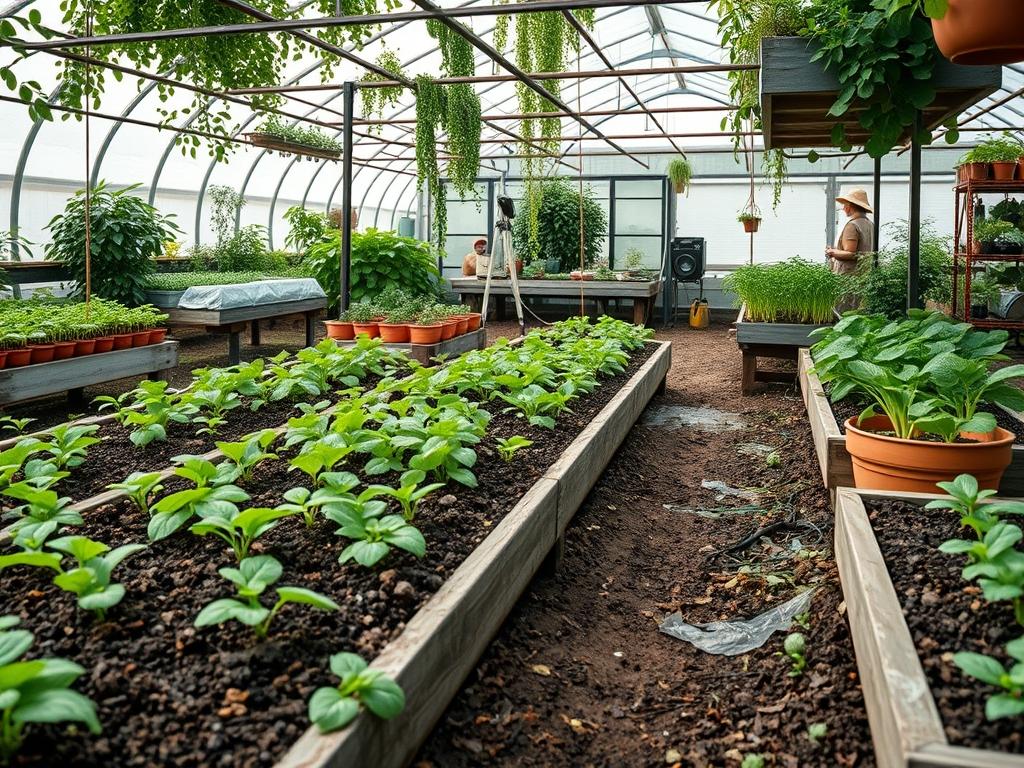
Modern landscape management has evolved from a series of aesthetic choices into a data-driven discipline where precision dictates longevity. The challenge for many homeowners and commercial developers lies in balancing immediate curb appeal with the long-term health of various microclimates within a single property. Climate volatility, characterized by unpredictable rainfall and rising temperatures, makes traditional timer-based watering systems obsolete. To maintain a functional outdoor living space, we must prioritize the integration of Smart Irrigation Soil Moisture sensors. These devices translate the hidden conditions of the rhizosphere into actionable data, ensuring that every Gallon of water applied serves a specific biological purpose. By utilizing this technology, we reduce unnecessary runoff, prevent the leaching of nutrients, and create a resilient environment that enhances property value through consistent, vibrant growth.
A successful outdoor environment serves both form and function. When we design for functionality, we consider how people move through a space and how water moves beneath it. High-traffic areas require robust turf or hardscaping, while ornamental beds need a more delicate touch. Implementing a smart system allows us to monitor these distinct zones individually. If our sensors indicate that the root zone is sufficiently hydrated, the system pauses irrigation, regardless of the programmed schedule. This prevents the primary cause of plant mortality in professional landscapes: overwatering. A landscape that is properly monitored is one where the greenery remains lush during heatwaves and the structural integrity of the soil is maintained through periods of heavy saturation.
Landscape Design Principles
Effective landscaping begins with a clear understanding of symmetry and visual balance. In formal designs, mirror-image plantings of Emerald Green Arborvitae create a sense of order and permanence. However, this symmetry is easily broken if one side of the property receives more solar radiation or has different drainage characteristics than the other. This is where Smart Irrigation Soil Moisture data becomes indispensable for the architect. By placing sensors in mirrored zones, we ensure that both halves of a visual axis receive the exact amount of hydration required to maintain identical growth rates.
Focal points, such as a large Japanese Maple or a bespoke water feature, draw the eye and provide a sense of hierarchy in the garden. These specimens often represent a significant financial investment. Protecting that investment requires precise monitoring of the soil surrounding the root ball. Elevation layers also play a critical role in irrigation planning. Plants located on high ground or atop Retaining Walls will naturally drain faster than those in low-lying areas. We must design our irrigation zones based on these topographic variations. Walkways and paths should be planned to avoid bisecting irrigation zones, ensuring that water is delivered to the roots rather than splashing onto Stone Pavers or Concrete, which leads to staining and waste.
Plant and Material Selection
Selecting the right plant material is a balance of aesthetic desire and environmental reality. Each species has a specific “wilting point” and “field capacity” that we can monitor through digital interfaces.
| Plant Type | Sun Exposure | Soil Needs | Water Demand | Growth Speed | Maintenance Level |
| :— | :— | :— | :— | :— | :— |
| Dwarf Boxwood | Full Sun/Part Shade | Well-Drained Loam | Moderate | Slow | Medium |
| Purple Coneflower | Full Sun | Sandy/Clay Mix | Low | Fast | Low |
| Creeping Thyme | Full Sun | Rocky/Poor Soil | Very Low | Medium | Low |
| Fescue Turf | Part Shade | Rich Topsoil | Moderate-High | Fast | High |
| Hostas | Full Shade | Organic Matter | High | Medium | Medium |
| Lavender | Full Sun | Gritty/Alkaline | Very Low | Medium | Low |
For the structural elements, we use Crushed Granite or River Rock in areas where drainage is a primary concern. In planting beds, a high-quality Hardwood Mulch should be applied at a depth of 3 inches to suppress weeds and retain the moisture that our sensors help us track.
Implementation Strategy
The transition from a blueprint to a thriving garden requires a methodical implementation strategy. We begin with grading, which is the process of leveling or sloping the ground to direct water away from the foundation of the home. Proper grading ensures that our Smart Irrigation Soil Moisture readings are not skewed by stagnant water. Once the grade is established, we install the primary irrigation lines and the sensor network. It is crucial to bury sensors at the correct depth. While a shallow sensor might monitor the needs of Kentucky Bluegrass, a deeper sensor is required to measure the moisture available to the taproots of Oak Trees or Large Shrubs.
Before planting, we address the soil structure. If the soil is heavy clay, we incorporate Gypsum or Organic Compost to improve porosity. When the plants are in the ground, we install edging to create a clean break between the lawn and the mulch beds. This prevents grass from encroaching on the sensors and ensures that the readings remain accurate for each specific zone. The final step is the application of mulch and the calibration of the irrigation controller. We look for the “volumetric water content” (VWC) to stabilize, usually within 48 hours of the first watering, to establish a baseline for the season.
Common Landscaping Failures
The most frequent mistake in landscape management is the “set it and forget it” mentality. Even the most advanced timer cannot account for a week of unexpected humidity or a sudden drop in temperature. Without Smart Irrigation Soil Moisture data, homeowners often drown their plants, leading to root rot and fungal pathogens like Pythium. Another common failure is root overcrowding. When we plant Hedge Rows or Privacy Screens too close together, their roots compete for limited moisture. If the irrigation frequency is not adjusted to compensate for this competition, the center of the hedge will often thin out and die.
Soil compaction is another silent killer. Heavy foot traffic or construction machinery crushes the air pockets in the soil, preventing oxygen from reaching the roots. Even if moisture is present, the plant cannot “breathe” and will eventually succumb to stress. We also see frequent issues with improper sensor placement. If a sensor is placed directly under a gutter downspout, its readings will be artificially high, leading the system to shut off irrigation for the entire zone even if the rest of the garden is parched. Finally, neglecting the drainage system can lead to salt buildup in the soil, which dehydrates plants from the inside out.
Seasonal Maintenance
Landscape management is a year-round commitment that changes with the sun’s path. In the spring, we focus on recalibrating our sensors and checking for damage caused by frozen ground. We apply a fresh layer of Bark Mulch and check the Spray Heads for clogs. This is the time to set our moisture thresholds higher to support the vigorous growth of new shoots and leaves.
As summer arrives, the demand for water peaks. We use our Smart Irrigation Soil Moisture data to implement “deep watering” cycles. Instead of daily light mists, we water for longer durations but less frequently, encouraging roots to grow deeper into the cooler soil layers. In the autumn, we gradually reduce the watering frequency as plants enter dormancy. We also use this time to aerate the lawn with a Core Aerator to combat the compaction from summer activities. In winter, most systems should be winterized. We blow out the lines with a High-Pressure Air Compressor to prevent pipes from bursting and remove sensors if they are not rated for deep-freeze temperatures.
Professional Landscaping FAQ
Why is soil moisture data better than a rain sensor?
Rain sensors only track falling water, while Smart Irrigation Soil Moisture sensors measure what is actually available to the roots. Rain might evaporate or run off, but soil sensors provide a direct measurement of the plant’s current water access.
How many sensors do I need for a standard backyard?
Most residential landscapes require at least one sensor per irrigation zone. If you have a sunny lawn and a shaded garden bed, you need two sensors to account for the vastly different evaporation rates in those distinct microclimates.
Can I install these sensors in heavy clay soil?
Yes, but they require specific calibration. Clay holds moisture significantly longer than sandy soil. You must adjust your controller to account for the slower drainage rates to avoid creating anaerobic conditions that can kill your Ornamental Plants.
Where is the best place to bury a moisture sensor?
Place the sensor in the root zone of your most sensitive plants. Avoid areas near concrete edges, which radiate heat, or low spots where water pools. The goal is to get an average representation of the entire zone.
Do these systems work with native plants?
Absolutely. While Native Plants are drought-tolerant once established, they require consistent moisture during their first two years. Sensors help you transition them from high-maintenance seedlings to self-sufficient adults by monitoring their adaptation to the local environment.