
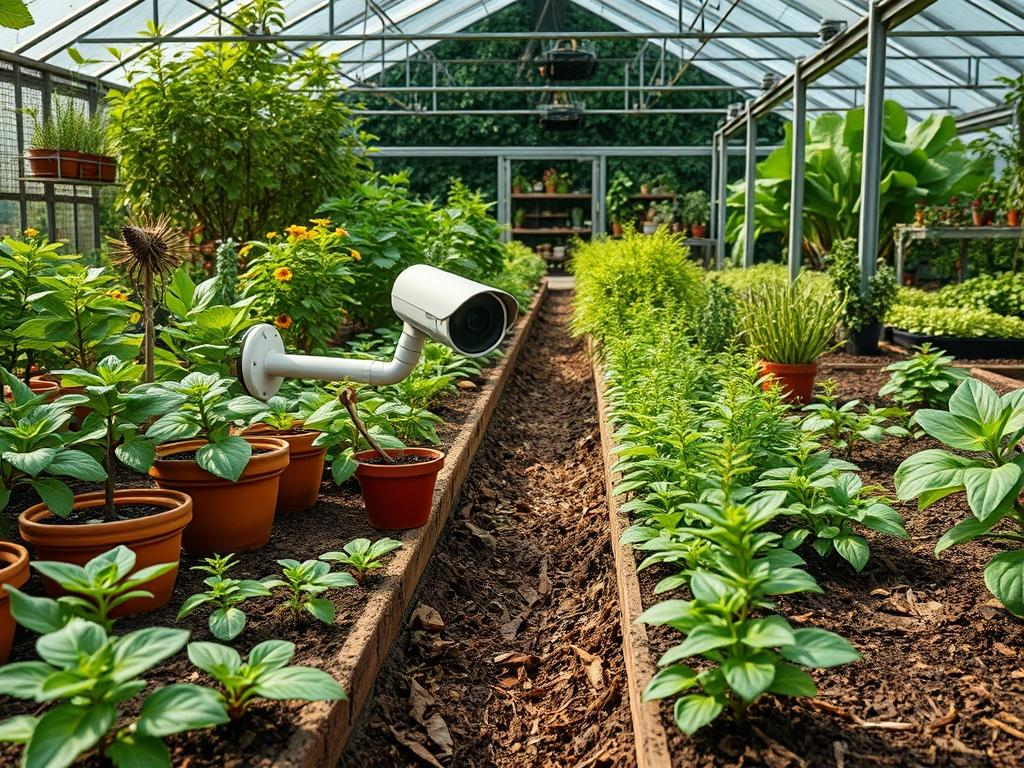
A successful landscape design balances aesthetic elegance with functional utility, creating an environment that is both welcoming and secure. When planning an outdoor space, the modern homeowner must consider more than just the color palette of the perennials or the texture of the hardscaping. We are now in an era where technology, specifically Smart Garden Security Cameras, must be woven into the very fabric of the garden layout. Achieving this integration without sacrificing curb appeal requires a deep understanding of site lines, elevation, and the way light interacts with various plant structures. A poorly planned garden can inadvertently create blind spots, providing cover for intruders while obstructing the expensive sensors meant to protect the property. Therefore, the architectural challenge lies in selecting materials and plant life that enhance the security profile of the home rather than compromising it.
Landscaping in a volatile climate adds another layer of complexity. Soil stability, wind resistance, and drainage patterns all dictate where permanent fixtures should be placed. High-quality outdoor environments utilize a mix of softscaping and hardscaping to define boundaries and guide movement. By strategically placing Pavers and Retaining walls, a designer can dictate the flow of foot traffic, ensuring that guests remain on designated paths while Smart Garden Security Cameras maintain a clear, unobstructed view of these transit zones. Every choice, from the depth of the Mulch to the height of the Boundary hedging, serves the dual purpose of beautification and strategic oversight.
Landscape Design Principles
Symmetry and focal points are the cornerstones of traditional landscape architecture. By creating a balanced visual field, you naturally guide the eye toward specific areas of the yard. This principle is vital when installing security hardware. A central focal point, such as a Tiered fountain or a large Sculptural planter, can serve as a discreet mounting location for sensors, allowing them to blend into the ornamentality of the space. Symmetry ensures that there are no “dead zones” in the visual field; if one side of the garden features a dense cluster of Evergreens, the other side should provide a corresponding open vista or a similarly managed grouping to maintain consistent surveillance coverage.
Elevation layers are perhaps the most critical component of a security-conscious design. A flat yard is easy to monitor but often lacks character and privacy. To solve this, architects use tiered planting beds and multi-level decking. Lower levels might feature ground covers like Pachysandra, while the mid-tier consists of Shrub roses reaching 3 feet in height. The highest tier includes ornamental trees. These layers must be managed so they do not block the 130 degree or 180 degree field of view required by Smart Garden Security Cameras. Furthermore, irrigation planning must account for these electronics. Drip irrigation systems are preferred over high-pressure Oscillating sprinklers, as they deliver water directly to the roots and minimize the risk of water spotting or mineral buildup on camera lenses.
Visual balance also extends to the transition between light and shadow. A well-designed garden uses Low-voltage LED path lights to eliminate dark corners where cameras might struggle to resolve detail at night. By placing these lights near walkways and entry points, you create a high-contrast environment that enhances the performance of motion sensors and night-vision optics. Every element, from the Crushed granite on a path to the Hand-hewn timber of a pergola, contributes to a cohesive environment that supports a modern security infrastructure.
Plant and Material Selection
Choosing the right flora involves more than just selecting beautiful colors; it requires an analysis of growth habits and maintenance requirements. Low-maintenance plants that maintain a consistent shape are ideal for areas near security hardware.
| Plant Type | Sun Exposure | Soil Needs | Water Demand | Growth Speed | Maintenance Level |
| :— | :— | :— | :— | :— | :— |
| Buxus sempervirens | Full to Partial | Well-drained | Moderate | Slow | Low |
| Lavandula angustifolia | Full Sun | Sandy/Gravelly | Low | Moderate | Medium |
| Acer palmatum | Partial Shade | Loamy/Acidic | Moderate | Slow | High |
| Taxus baccata | Full Shade | Versatile | Moderate | Slow | Low |
| Miscanthus sinensis | Full Sun | Moist/Well-drained | Moderate | Fast | Low |
| Lonicera nitida | Full to Partial | Any | Moderate | Fast | Medium |
The use of Pea gravel or River rock around the perimeter of the home provides an auditory security layer. The crunch of footsteps on 1 inch stones acts as a natural deterrent and can trigger Smart Garden Security Cameras well before a visitor reaches the door. Meanwhile, incorporating thorny species like Berberis or Ilex aquifolium near windows creates a physical barrier that is both attractive and intimidating to unauthorized individuals.
Implementation Strategy
The transition from a blueprint to a finished garden requires a disciplined step-by-step approach. The first phase is always grading. You must ensure the land slopes away from the home at a rate of at least 2 percent to prevent water from pooling near the foundation or subterranean wiring. Use a Transit level to verify the pitch before any hardscaping begins. Once the grade is established, the installation of PVC conduit for power and data cables should take place. Burying these lines at a depth of 18 inches ensures they remain safe from AERATORS and Shovels during future gardening sessions.
After the infrastructure is in place, the skeleton of the garden, the hardscaping, is installed. This includes Flagstone patios, Steel edging, and Dry-stack stone walls. These elements represent the permanent boundaries of your design. Following the hardscaping, you can begin the planting process. When placing trees, calculate their mature canopy width to ensure they will not grow into the line of sight of your Smart Garden Security Cameras in five years. Finish the beds with a 3 inch layer of Hardwood mulch to retain moisture and suppress weeds, taking care to keep the mulch a few inches away from the trunks of plants to prevent rot.
Common Landscaping Failures
The most frequent mistake in residential landscaping is poor drainage. If water collects against Concrete retaining walls, the resulting hydrostatic pressure can cause the wall to bow or crack. Furthermore, standing water creates a humid microclimate that can lead to fogging on camera lenses and premature corrosion of mounting hardware. Another common failure is root overcrowding. When plants are placed too close together, they compete for nutrients and water; this leads to stunted growth and “leggy” branches that can wave in the wind and trigger false alarms on motion-sensitive Smart Garden Security Cameras.
Improper spacing and failing to account for the mature size of shrubs often result in a “closed-in” feeling that provides too much concealment. Soil compaction is another hidden enemy. In high-traffic areas, the soil can become so dense that air and water cannot reach the roots of your Turfgrass, leading to brown patches that ruin curb appeal. Finally, irrigation inefficiencies, such as misdirected Sprinkler heads hitting the side of the house or sensitive electronics, can lead to expensive repairs and system downtime. Utilizing a Rain sensor and a Smart irrigation controller can mitigate many of these risks.
Seasonal Maintenance
Spring is the time for rejuvenation and technical audits. Inspect all Garden shears and Loppers for sharpness before pruning the winter dieback from your Cornus alba. This is also the window to check the positioning of Smart Garden Security Cameras, as the spring growth spurt can quickly obscure lenses. Apply a fresh application of Pre-emergent herbicide and Slow-release fertilizer to nourish the soil for the coming heat.
In the summer, the focus shifts to hydration and height management. Use a Soil moisture meter to ensure your plants are receiving deep watering during heatwaves. Fast-growing hedges like Ligustrum may require monthly trimming to maintain clean lines and clear views. Autumn is primarily about debris management. Falling leaves from Quercus trees can pile up against sensors or block drains, so regular use of a Leaf blower or Rake is necessary to maintain a tidy and secure perimeter.
Winter maintenance is focused on protection. In regions with heavy snow, use a Broom to gently clear accumulation from evergreen branches so they do not sag into camera views. Check that your Ice melt products are safe for your specific stone types, as some salts can pit Limestone or damage Flagstone. Winter is also the best time to review the architectural structure of the garden when the foliage is gone, allowing you to plot new security enhancements for the following year.
Professional Landscaping FAQ
How do I prevent plants from blocking my security cameras?
Select slow-growing or dwarf species like Boxwood for areas near your devices. Regularly prune branches using sharp Bypass pruners to maintain a clear 5 foot radius around the lens, ensuring the growth never interferes with the motion sensors.
What is the best ground cover for security?
Crushed gravel or Lava rock is ideal for security. These materials create significant noise when walked upon, providing an audible alert. Unlike Wood chips, stones do not decompose and offer a stable surface for Security lighting and camera poles.
Can irrigation systems damage my smart cameras?
Yes, if not properly directed. Always use Directed drip emitters near technology. If using high-pressure sprayers, ensure the Nozzles are adjusted to a low angle, preventing water from impacting the camera housing or causing mineral streaks on the lens.
How deep should I bury my security camera cables?
In a landscaped garden, cables should be housed in Schedule 40 PVC conduit and buried at least 12 to 18 inches deep. This depth protects the lines from Trenchers, Rototillers, and the sharp edges of Manual edgers.
Does mulch type affect my garden technology?
Heavy Cedar mulch or Stone ballast is preferable because it stays in place during heavy rain. Light mulches like Pine straw can wash away, potentially clogging drainage grates or accumulating around ground-level sensors and obstructing their view.