
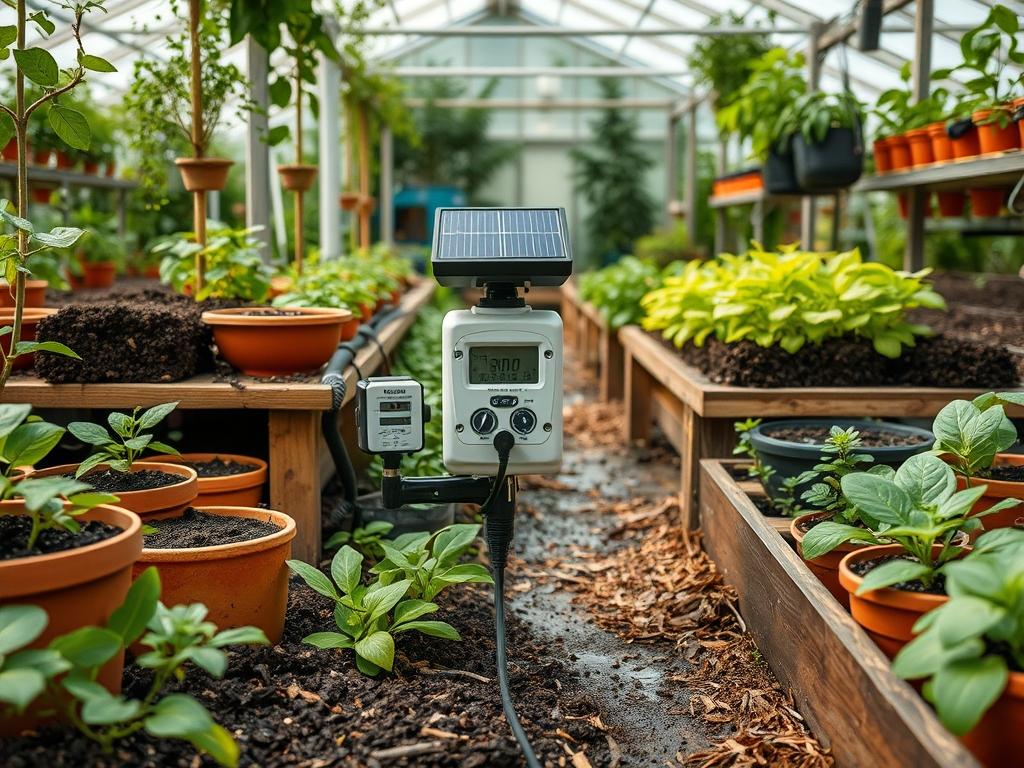
Modern landscape architecture requires a delicate balance between aesthetic ambition and mechanical reliability. In the face of increasingly unpredictable weather patterns and rising water costs, the efficiency of an outdoor environment often rests on the precision of its irrigation infrastructure. High-flow solar powered water timers represent a significant leap forward for residential and commercial estate management. These devices allow a designer to maintain lush, vibrant greenery without the labor-intensive requirement of manual watering or the invasive installation of hardwired electrical systems. By leveraging the sun as a primary energy source, these timers facilitate a sustainable approach to moisture management, ensuring that every Gallon Per Minute (GPM) is delivered exactly where it is needed most.
The primary landscaping challenge in many contemporary designs is achieving optimal curb appeal while minimizing environmental impact. Traditional battery-operated timers often fail during the heat of the summer when plastic casings degrade or internal alkaline cells leak. A high-flow solar powered water timer bypasses these failures by utilizing durable photovoltaic panels to keep an internal lithium-ion battery charged. This enables the use of high-torque valves that can handle the heavy flow required for larger retaining walls, extensive native plant beds, and deep-soil elevation changes. When planning a site, an architect must consider the specific microclimates created by the shadows of the home and existing foliage. Integrating solar-powered automation ensures that even the most remote corners of the property receive consistent hydration without the need for expensive trenching to run electrical wires.
Landscape Design Principles
Successful garden planning starts with a cohesive spatial strategy. Symmetry and focal points guide the eye through the environment, but these elements can only shine if the underlying horticulturally-dependent systems are functioning. Incorporating solar powered water timers into the design allows for the creation of distinct hydro-zones. This principle involves grouping plants with similar water needs together, which prevents the over-irrigation of drought-tolerant species while ensuring that high-demand moisture lovers thrive.
Visual balance is often achieved through elevation layers. By using retaining walls and tiered garden beds, a designer adds depth and character to a flat lot. However, the higher the elevation of a planting bed, the faster the soil tends to dry out due to wind exposure and gravity-driven drainage. A high-flow solar timer is perfectly suited for these areas because it can manage the high pressure required to push water uphill through 0.5 inch drip tubing or oscillating sprinklers. Walkways and hardscaping should be planned alongside the irrigation layout to ensure that pipes are buried beneath compacted gravel or flagstone before the final aesthetic layers are applied. This prevents the unsightly presence of surface-level hoses that detract from the clean lines of a professional landscape.
Plant and Material Selection
Choosing the right flora is essential for longevity. The following table highlights common selections for various landscape zones and their specific requirements when integrated with automated irrigation.
| Plant Type | Sun Exposure | Soil Needs | Water Demand | Growth Speed | Maintenance |
| :— | :— | :— | :— | :— | :— |
| English Lavender | Full Sun | Well-Drained | Low | Moderate | Prune Annually |
| Japanese Maple | Partial Shade | Loamy / Acidic | Medium | Slow | Minimal |
| Fescue Grass | Full to Part Sun | Rich Topsoil | High | Fast | Weekly Mowing |
| Blue Agave | Full Sun | Sandy / Gritty | Very Low | Slow | Low |
| Hydrangea | Morning Sun | Moist / Organic | High | Moderate | Seasonal Deadheading |
| Boxwood Shrub | Full to Part Sun | Neutral pH | Medium | Slow | Shaping |
When selecting materials, the use of 3 inch mulch depth is a standard for moisture retention. This organic layer works in tandem with the solar timer settings to reduce evaporation rates, allowing the irrigation system to run for shorter durations. Additionally, the choice of landscape fabric should be weighed carefully against the need for soil aeration. In most high-flow systems, the volume of water can be substantial, so ensuring the soil has the capacity to absorb that volume without runoff is a critical component of the selection process.
Implementation Strategy
The transition from a blueprint to a blooming garden requires a structured implementation strategy. The first phase is always site grading. Proper grading ensures that excess water moves away from the foundation of the home and toward designated drainage basins or rain gardens. If the grade is not established correctly, even the most advanced solar timer will eventually contribute to localized flooding or stagnant pools.
Once the surface is leveled and sloped, edging should be installed to define the boundaries between lawns, garden beds, and walkways. For the irrigation setup, the solar powered water timer should be mounted on a brass hose bibb in a location that receives at least 6 hours of direct sunlight daily. From the timer, a manifold can be used to split the flow into multiple zones. For example, Zone 1 might handle the high-flow requirements of a turf lawn, while Zone 2 uses pressure regulators to provide a gentle drip to a vegetable garden.
After the primary lines are laid, planting begins. Digging holes that are 2 times the width of the root ball is a professional standard that encourages rapid root establishment. Once the plants are in the ground, a final layer of hardwood mulch or decorative stone should be applied. This covers the irrigation tubing, protecting the polyethylene from UV degradation and providing a finished, professional appearance.
Common Landscaping Failures
The most frequent failure in outdoor environments is improper drainage. Many homeowners install high-flow irrigation systems without providing an exit path for the water. This results in soil compaction, which starves plant roots of oxygen and leads to root rot. To avoid this, architects often incorporate French drains or perforated pipes wrapped in filter fabric to manage the subterranean water movement.
Another common mistake is root overcrowding. When planting, it is tempting to place shrubs close together for immediate fullness, but this leads to competition for nutrients and moisture within three to five years. Proper spacing based on the mature width of the species is vital. Furthermore, irrigation inefficiencies often stem from “set and forget” mentalities. Even a solar powered timer requires seasonal adjustments. If a timer is left on its summer schedule during a rainy autumn, the excess moisture can invite fungal pathogens and pests. Relying on a timer with a rain delay sensor or a manual override is the best way to prevent this waste.
Seasonal Maintenance
Landscape management is a year-round commitment. In the spring, the focus should be on system activation and inspection. Check the solar panel on the timer for any debris or pollen buildup that might block sunlight. Flush out the irrigation lines to remove any silt or mineral deposits that accumulated during the winter. This is also the time to apply a fresh 2 inch layer of mulch to refresh the appearance and prepare for the heat.
Summer maintenance involves monitoring the battery health of the solar unit during periods of overcast weather. While high-quality lithium batteries hold a charge for weeks, extreme heat can sometimes impact electronic performance. Adjust the watering frequency to the early morning hours, typically between 4:00 AM and 7:00 AM, to minimize evaporation.
Autumn is the season for transition. Slowly reduce the water volume as plant metabolism slows down. This is the ideal time for core aeration of the lawn to combat soil compaction. Finally, in winter, it is essential to winterize the irrigation system. In climates where the ground freezes, high-flow solar timers should be disconnected, drained of all internal water, and stored indoors. Leaving a pressurized timer exposed to freezing temperatures will lead to cracked internal valves and catastrophic failure in the spring.
Professional Landscaping FAQ
How does a solar timer handle cloudy days?
Most units feature an internal battery that stores enough energy to operate for several weeks without direct sunlight. The photovoltaic cells continuously trickle charge the system during daylight, ensuring consistent operation even in overcast or rainy conditions.
Can I run multiple zones from one solar timer?
Yes, by using a multi-valve manifold, a single high-flow timer can manage different sections of the garden. However, total flow is limited by the output of your water source, so zones should be programmed to run at different times.
Is solar power sufficient for high-pressure systems?
Solar timers are designed to trigger high-torque solenoids that can manage pressures up to 100 PSI. As long as the battery is charged, the solar component does not limit the physical pressure or flow capacity of the water valve itself.
Does mulch interfere with the irrigation system?
Mulch protects drip lines from the sun and helps hold moisture in the soil. It should be placed over the tubing but not allowed to pile up directly against the stems of woody plants, which can cause bark rot and disease.
How often should I clean the solar panel?
Check the panel every three months. Dust, bird droppings, or encroaching foliage can reduce charging efficiency. A simple wipe with a damp, soft cloth is usually enough to maintain the unit at peak performance throughout the growing season.