
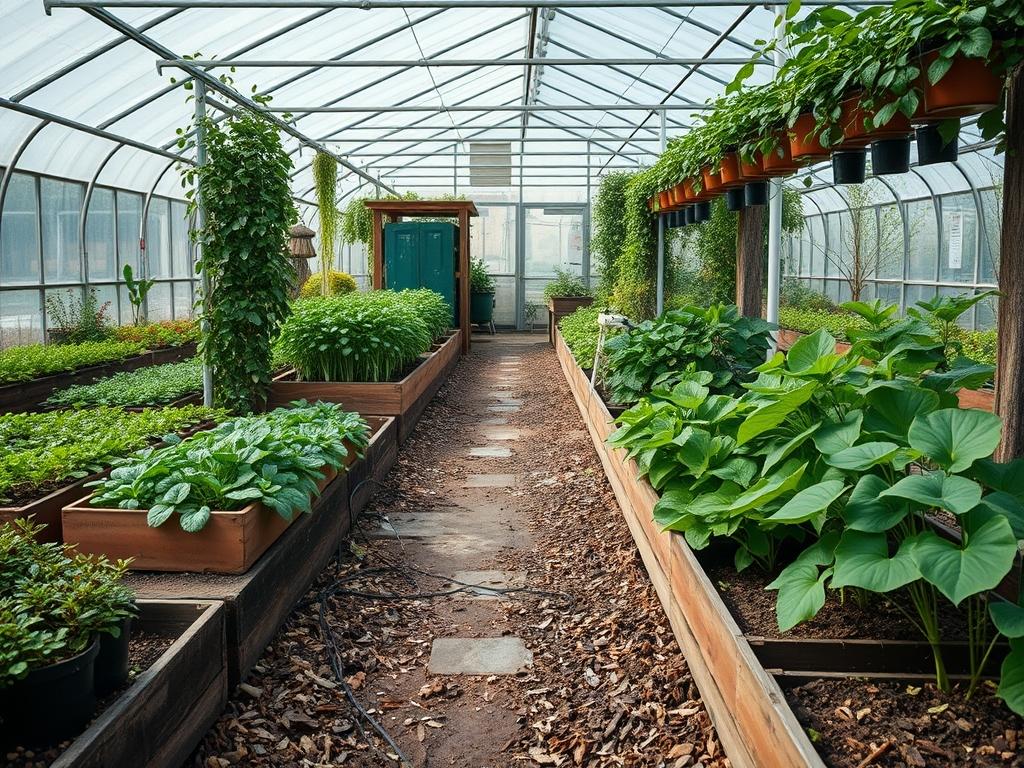
Protecting a high-end landscape from the unpredictable fluctuations of winter temperature requires more than just a few burlap sacks and some twine. In the realm of professional landscape architecture, the goal is to bridge the gap between aesthetic excellence and survivalist functionality. We often design outdoor spaces that push the limits of local hardiness zones, selecting specimens for their architectural form or exotic foliage that may not naturally withstand a deep freeze. For these sensitive investments, the implementation of automated winter protection systems represents the pinnacle of modern garden management. By integrating technology directly into the environment, we preserve the curb appeal and structural integrity of the site without requiring the homeowner to manually intervene during every frost warning.
The primary challenge in designing these systems lies in the balance between protection and respiration. Many amateur attempts at winterizing fail because they create an airtight seal that traps moisture, leading to fungal pathogens or premature budding during a mid-winter thaw. Professional systems utilize smart sensors and actuator-driven structures that respond in real-time to ambient temperatures and wind speed. This approach ensures that the landscape remains a functional, breathable ecosystem until the harsitudinal thresholds are actually met. The ultimate goal is an environment where the transition between seasons is nearly invisible, managed by a hidden infrastructure that safeguards the garden’s future value.
Landscape Design Principles
When designing for automated winter protection, symmetry and focal points must be maintained even when the protective measures are active. If a Japanese Maple serves as a central focal point, any automated covering must be designed to follow its natural silhouette or be housed within a structure that complements the overall garden geometry. We often use retaining walls or raised planters to conceal the mechanical components of these systems, such as gear motors or retractable frames. This ensures that the aesthetic of the landscape remains cohesive, even during the harshest months.
Elevation layers play a critical role in the physics of cold protection. Since cold air is denser and settles in low-lying areas, known as frost pockets, our design strategy involves grading the site to encourage positive drainage and air movement. By placing sensitive specimens on higher ground or within tiered retaining walls, we naturally reduce the duration of freezing temperatures at the root zone. Furthermore, the integration of hardscaping elements like stone or masonry near tropical or semi-hardy plants creates a thermal mass effect. These materials absorb solar radiation during the day and radiate heat slowly at night, providing a natural buffer that the automated systems then supplement.
Walkways and circulation paths must also be considered during the planning phase. Automated systems, whether they are pop-up tent structures or subterranean radiant heating cables, require localized power and control lines. We integrate these into the initial irrigation planning phase, using the same trenches for high-voltage and low-voltage conduits. This minimizes site disturbance and ensures that all mechanical interventions are strategically located away from high-traffic pedestrian zones, preserving the visual balance of the walkways.
Plant and Material Selection
| Plant Type | Sun Exposure | Soil Needs | Water Demand | Growth Speed | Maintenance Level |
| :— | :— | :— | :— | :— | :— |
| Japanese Maple | Partial Shade | Well-drained, acidic | Moderate | Slow | High |
| Camellia Japonica | Morning Sun | Humus-rich | High | Medium | Moderate |
| Olive Tree | Full Sun | Lean, rocky | Low | Slow | High (Winter) |
| Ficus Nitida | Full Sun | Fertile loam | Moderate | Fast | Moderate |
| Agave Americana | Full Sun | Sandy, dry | Very Low | Slow | Low |
| Gardenia | Partial Sun | Acidic, moist | High | Medium | High |
Implementation Strategy
The process begins with precise grading and the creation of a comprehensive site map. We identify the specific microclimates within the backyard, noting which areas receive the most wind exposure and which are shielded by the home’s architecture. Once the layout is established, we install low-voltage transformers and control hubs that will govern the automation. For sensitive trees, this often involves the installation of a circular PVC conduit around the base of the trunk, which houses the wiring for heating tapes and thermocouples.
Edging and mulch depth are critical for protecting the root systems of these plants. We recommend a minimum 3 inch layer of hardwood mulch or pine bark to provide organic insulation. Beneath this layer, moisture sensors are buried at a depth of 6 inches to monitor soil hydration, as desiccated roots are far more susceptible to freeze damage than well-hydrated ones. The automation system is programmed to trigger a brief irrigation cycle if the soil moisture drops below a specific threshold, provided the ambient temperature is above 35 degrees Fahrenheit.
For the physical protection structures, we employ custom-fabricated frames made of powder-coated aluminum. These frames are often motorized, allowing a geotextile fabric or non-woven polypropylene cover to deploy automatically when the temperature drops to 32 degrees Fahrenheit. The frames are anchored into the ground using galvanized steel stakes, ensuring they can withstand winter wind loads. By using a breathable fabric, we prevent the “greenhouse effect” from overheating the plant during the day, while still providing a significant thermal jump of 5 to 8 degrees during the night.
Common Landscaping Failures
One of the most frequent mistakes in winterizing is improper drainage at the site of the protection. If the grading is incorrect, meltwater from snow or ice can pool at the base of the plant, leading to root rot or “heaving,” where the freeze-thaw cycle physically pushes the plant out of the soil. This is often exacerbated by soil compaction, which prevents the water from percolating through the profile. We use perforated drainage pipes and French drains to ensure that any excess moisture is diverted away from the sensitive plant zones.
Another failure is root overcrowding within raised planters. While planters offer excellent drainage, they lack the ground’s natural insulation. If a plant’s roots are pressed against the inner wall of the planter, they will freeze much faster than those in the open earth. In these cases, we install insulation boards or heating cables inside the planter walls to maintain a stable environment. Furthermore, improper spacing of automated covers can lead to branch breakage. If the cover is too tight, it will trap heavy snow loads against the delicate limbs of boxwood or topiary, causing permanent structural damage.
Seasonal Maintenance
Spring management focuses on the gradual removal of automated systems. As the threat of frost passes, we recalibrate the sensors and inspect the actuators for signs of wear. This is also the time for structural pruning to remove any winter dieback and the application of balanced slow-release fertilizer to encourage new growth. We check the irrigation lines for leaks caused by ground shifting during the winter thaw.
Summer maintenance involves monitoring the health of the plants that were protected. High-stress winter cycles can leave plants more vulnerable to pests. We maintain consistent mulch depth and ensure that the automated controllers are transitioned to summer mode, which might involve controlling shading sails or high-volume misting systems for cooling.
Autumn is the season for system testing. We perform a full “dry run” of all automated winter covers, checking the limit switches and thermal sensors. We apply a layer of anti-desiccant spray to evergreen foliage, such as Magnolia or Rhododendron, to reduce moisture loss through the leaves during the cold, dry winter winds.
Winter management is largely observational thanks to automation, but physical inspections are still required. We monitor for snow accumulation on top of the automated covers, manually clearing any drifts that exceed 4 inches to prevent mechanical failure. The smart hub is checked weekly for error logs to ensure that the heating elements and motorized frames are responding correctly to the temperature triggers.
Professional Landscaping FAQ
How does automation help with winter plant protection?
Automation uses sensors to detect freezing temperatures, triggering motorized covers or heating cables without human intervention. This ensures immediate protection during sudden temperature drops while allowing plants to breathe normally during warmer daylight hours.
What is the best material for automated covers?
Non-woven polypropylene or professional-grade geotextile fabric is ideal. These materials provide significant thermal insulation while remaining breathable, which prevents the buildup of heat and moisture that can lead to fungal growth or rot.
Can I automate irrigation during the winter months?
Yes, but only when temperatures are above 40 degrees Fahrenheit. Systems should include smart controllers and freeze sensors to prevent lines from bursting or creating dangerous ice patches on walkways.
Why is drainage important for winterized plants?
Proper drainage prevents water from pooling around the roots. Standing water can freeze, causing root suffocation or physical damage to the plant’s vascular system. Well-drained soil acts as a better insulator than waterlogged earth.
Is radiant heating safe for plant roots?
When installed correctly using UL-listed heating cables and thermostatic controllers, radiant heat is very safe. It should be placed at the perimeter of the root ball to maintain soil temperatures just above freezing in extreme conditions.