
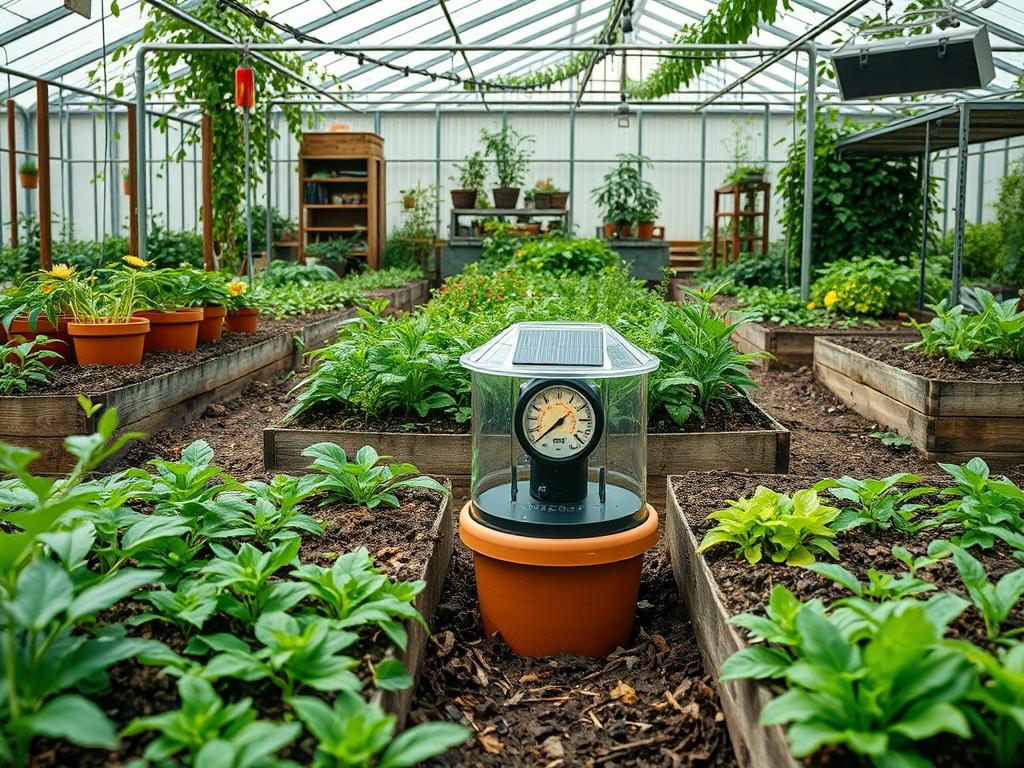
Developing a cohesive outdoor environment requires a delicate balance between aesthetic ambition and biological reality. Many homeowners prioritize immediate visual appeal but struggle with the logistical maintenance and functional challenges inherent in specific climate patterns. High humidity or dense vegetation often invites an influx of flying pests, which can significantly diminish the enjoyment of a meticulously designed patio or terrace. While traditional methods of pest control frequently rely on broad-spectrum chemical sprays, these solutions often compromise the very curb appeal and ecosystem health they are meant to protect. Integrating Solar Powered Insect Traps into a comprehensive site plan offers a sophisticated, sustainable alternative that preserves the integrity of the soil and the safety of beneficial pollinators. By viewing these devices as functional landscape elements rather than afterthoughts, architects can create resilient spaces that thrive under natural cycles.
The modern landscape is more than a collection of plants; it is a functional extension of the home that must provide comfort across all hours of the day. A well-designed garden addresses elevation changes, manages water runoff through professional drainage systems, and ensures that lighting improves both safety and atmosphere. However, the presence of mosquitoes and other nuisance insects often forces residents back indoors after dusk, rendering expensive outdoor kitchens and fire pits useless. By strategically placing Solar Powered Insect Traps throughout the property, we can mitigate these issues without introducing toxic synthetic pyrethroids or organophosphates into the local water table. This approach aligns with modern ecological standards that emphasize the health of the entire biological community, from the microorganisms in the mulch to the songbirds that frequent the canopy.
Landscape Design Principles
Successful garden planning relies on the foundational principles of symmetry, focal points, and visual balance. When mapping out a new space, creating a sense of order begins with an understanding of site lines. We use retaining walls and elevation layers to create depth, ensuring that the eye moves naturally from the foreground to the horizon. Every functional element, including irrigation heads and pest management tools, should be incorporated into these layers so they do not disrupt the architectural flow. Solar Powered Insect Traps serve as excellent nocturnal focal points because they don’t require external wiring, allowing them to be placed in remote corners of the property where hardwired electricity would be too costly or invasive to install.
Visual balance is achieved by mirroring shapes and textures across a central axis. For example, if a large evergreen shrub is placed on the left side of a stone walkway, a similar mass should be represented on the right. In this context, pest management devices should be distributed with the same logic. By spacing Solar Powered Insect Traps at regular intervals of 30 feet along the perimeter of a seating area, we create a protective zone that feels intentional rather than cluttered. This symmetry extends to the vertical plane as well; low-profile traps can be masked by mid-level perennials like Salvia or Coreopsis, ensuring the technology remains discrete while remaining fully functional.
Plant and Material Selection
Selecting the right materials and flora is essential for minimizing maintenance and maximizing the effectiveness of ecological pest management. Use the following table to guide your selection of plants that complement an ecosystem-friendly landscape.
| Plant Type | Sun Exposure | Soil Needs | Water Demand | Growth Speed | Maintenance Level |
| :— | :— | :— | :— | :— | :— |
| Lavender | Full Sun | Well-drained | Low | Moderate | Low |
| Marigolds | Full Sun | Loamy | Moderate | Fast | Low |
| Boxwood | Partial Shade | Silty | Moderate | Slow | Medium |
| Japanese Maple | Partial Shade | Acidic | High | Slow | Medium |
| Switchgrass | Full Sun | Varied | Low | Fast | Minimal |
| Catnip | Full Sun | Well-drained | Moderate | Fast | Low |
When selecting hardscape materials, prioritize permeable options like crushed limestone or decomposed granite. These materials allow water to infiltrate the ground directly, reducing the standing water that serves as a breeding ground for many pests. When this is coupled with the use of Solar Powered Insect Traps, the reliance on intensive maintenance drops significantly. Furthermore, choosing native plants ensures that the local bird and insect populations have the resources they need to thrive, which provides a natural check and balance to the pest population.
Implementation Strategy
The implementation of a professional garden layout begins with a detailed site analysis and a professional grading plan. You must ensure that the land slopes away from any permanent structures at a minimum rate of 2 percent. This prevent moisture from pooling against foundations, which can cause structural damage and attract subterranean pests. Once the grading is complete, install a 4-inch perforated drainage pipe surrounded by gravel in areas prone to saturation. This subsurface infrastructure is the invisible backbone of a healthy landscape.
Following the structural work, define your beds with steel edging or tumbled stone pavers. This creates a clean line between the turf and the planting zones, making it easier to apply a consistent 3-inch layer of double-shredded hardwood mulch. When placing your Solar Powered Insect Traps, site them in areas that receive at least 6 hours of direct sunlight per day to ensure the lithium-ion batteries remain fully charged. Avoid placing them directly under heavy tree canopies or beneath the eaves of the house where shadows are persistent. Instead, position them near the transition zones between manicured lawns and naturalized wooded areas. This creates a defensive perimeter that captures insects before they reach your primary living spaces.
Common Landscaping Failures
One of the most frequent mistakes in residential landscaping is improper plant spacing, often referred to as root overcrowding. When plants are placed too close together, they compete for the same Nitrogen, Phosphorus, and Potash in the soil. This competition weakens the plants, making them more susceptible to infestations and fungal diseases. Furthermore, poor airflow between dense foliage creates a microclimate of high humidity, which increases pest activity. By following the mature width guidelines on plant tags and ensuring at least 12 inches of space between the foliage of adjacent shrubs, you can improve overall site health.
Another critical failure is the over-reliance on automated irrigation systems without seasonal adjustments. Many homeowners set their timers in the spring and never change them, leading to soil compaction and anaerobic conditions during the wetter months of autumn. Saturated soil kills beneficial bacteria and encourages the growth of larvae for various nuisance insects. If you use Solar Powered Insect Traps but still find an abundance of pests, check for clogged gutters or low spots in the lawn that hold water for more than 24 hours. True ecosystem management requires addressing these hydrological flaws rather than simply trying to spray away the symptoms.
Seasonal Maintenance
Landscape management is a year-round commitment that changes with the light and temperature. In the spring, focus on pruning dead wood and applying a fresh layer of compost to the root zones. This is also the time to clean the photovoltaic panels on your Solar Powered Insect Traps using a soft, damp cloth. Dust and pollen buildup can significantly reduce the charging efficiency of the solar cells, leading to shorter run times during the night.
Summer maintenance involves monitoring for moisture stress and ensuring that the irrigation heads are not blocked by fast-growing groundcovers. During the autumn, the primary task is leaf management. Removing fallen leaves from the turf prevents the grass from suffocating and eliminates hiding spots for overwintering pests. For those using Solar Powered Insect Traps, check the collection trays more frequently as insect activity often peaks before the first frost. In the winter, move any non-permanent traps into a garage or shed to protect the internal electronics from extreme freezing cycles, though many modern industrial versions are rated for year-round outdoor exposure.
Professional Landscaping FAQ
Why should I choose solar traps over chemical sprays?
Chemical sprays often kill beneficial pollinators like bees and butterflies. Solar Powered Insect Traps provide a targeted solution that reduces the pest population without contaminating the soil or harming the insects that are vital for plant reproduction and garden health.
How do solar insect traps impact my curb appeal?
Modern traps are designed with sleek, low-profile silhouettes that mimic luxury outdoor lighting. When placed correctly within the landscape layers, they provide a soft, ambient glow that enhances the evening atmosphere without looking like industrial equipment.
Can these traps be used with automated irrigation?
Yes, but they should be placed outside the direct spray path of high-pressure nozzles. While most are water-resistant, constant saturation from irrigation can lead to mineral buildup on the solar sensors, which reduces the unit’s overall efficiency.
What is the best way to hide traps in a formal garden?
In formal designs, symmetry is your best friend. Place traps at the corners of retaining walls or at the ends of boxwood hedges. This makes them look like intentional architectural accents rather than random additions to the environment.
Do solar traps require significant maintenance?
Maintenance is minimal compared to chemical applications. You only need to empty the collection chamber periodically and wipe the solar panel every few months. This saves time and money while providing a much more sustainable result for the property.