
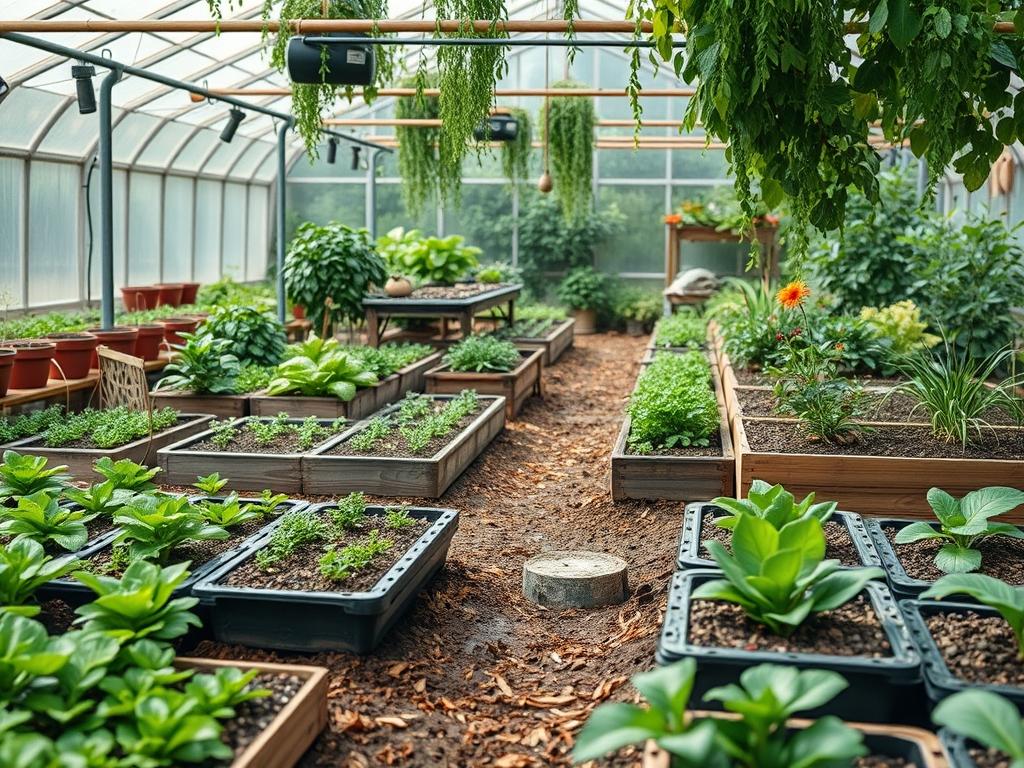
The successful transformation of an outdoor environment relies on more than just aesthetic intuition; it requires precise spatial data and an understanding of ecological variables. For decades, landscape architects relied on static two-dimensional blueprints that failed to capture the nuances of light, shadow, and elevation. Modern landscaping has evolved into a high-technology discipline where Smart Garden Mapping software serves as the foundation for every sustainable design choice. By utilizing three-dimensional modeling, homeowners and consultants can simulate how a retaining wall affects water runoff or how a canopy of Oak Trees will cast shadows across a patio during the summer solstice. This data-driven approach ensures that curb appeal is not merely a temporary visual gain, but a permanent increase in property value driven by functional efficiency and climate-appropriate planning.
When you transition from a flat sketch to a 3D digital twin of your property, you gain the ability to troubleshoot environmental challenges before a single trenching shovel touches the soil. Microclimates existing within a single backyard can vary significantly based on wind patterns and thermal mass from the home. Smart Garden Mapping allows for the layering of these environmental data points, enabling the designer to position porous pavers where drainage is heaviest or designate high-sun zones for drought-tolerant species. This level of foresight eliminates the costly trial and error traditionally associated with large-scale garden renovations.
Core Landscape Design Principles
Effective landscape design is a marriage of geometry and biology. The principle of symmetry often dictates the formal structure of a garden, using mirrored plantings to create a sense of order. However, visual balance can also be achieved through asymmetrical groupings that utilize different textures and heights. Using 3D software, we can establish clear focal points, such as a large granite water feature or an ornamental Japanese Maple, ensuring they are visible from primary sightlines like the kitchen window or the front porch.
Elevation layers are perhaps the most overlooked aspect of amateur design. A flat yard often feels smaller and less inviting than one with varied vertical planes. By implementing terraced garden beds or raised limestone planters, you create depth. Mapping software helps calculate the exact volume of topsoil or crushed stone required to build these elevations, preventing over-ordering of materials. Furthermore, irrigation planning must be integrated into the design phase rather than added as an afterthought. Designing within a digital environment allows for the placement of drip irrigation lines and pop-up sprinkler heads that maximize coverage while minimizing water waste, ensuring that every irrigation zone is calibrated to the specific thirst of its residents.
Plant and Material Selection
Selecting the right biological components is the most critical phase of smart garden mapping. The software allows us to input specific soil pH levels and hardiness zones to filter for plants that will thrive with minimal intervention. Below is a comparative guide for selecting high-performance landscape elements.
| Plant Type | Sun Exposure | Soil Needs | Water Demand | Growth Speed | Maintenance Level |
| :— | :— | :— | :— | :— | :— |
| Boxwood Shrub | Full Sun to Part Shade | Well-drained, Loamy | Moderate | Slow | Low (Shearing) |
| Lavender | Full Sun | Sandy, Alkaline | Low | Medium | Low |
| Hostas | Full Shade | Moist, Rich | High | Fast | Minimal |
| Switchgrass | Full Sun | Adaptable | Low | Fast | Annual Cutback |
| Creeping Thyme | Full Sun | Gritty, Poor Soil | Low | Medium | Very Low |
| Hydrangea | Part Shade | Rich, Acidic | High | Medium | Moderate |
When selecting hardscape materials, consider the thermal properties of the stone. Dark Slate will retain heat, which might be beneficial in cooler climates but can scorch bare feet in the south. Travertine or Light Sandstone are better for pool surrounds and high-traffic walkways because they remain cool under direct sunlight.
Implementation Strategy
The implementation phase begins with accurate site preparation. Once the 3D map is finalized, use a laser level and marking paint to transfer the digital coordinates to the physical ground. Start with grading; the ground must slope away from any permanent structures at a minimum of a 2 percent grade to ensure proper drainage. If the slope of the land is aggressive, the installation of retaining walls using interlocking concrete blocks or natural fieldstone will be necessary to prevent erosion.
Once the skeleton of the landscape is set, install the hardscaping elements. This includes laying geotextile fabric beneath gravel paths to prevent weed growth and provide a stable base for stone pavers. When moving to the planting phase, dig holes that are at least twice the width of the plant’s root ball but no deeper than the original container. This encourages lateral root growth into the surrounding soil. After planting, apply a layer of organic hardwood mulch at a 3 inch depth, keeping the material away from the base of the stems to prevent rot. This mulch layer is essential for moisture retention and weed suppression during the first critical growing season.
Common Landscaping Failures
The most frequent failure in garden design is poor drainage management. Many homeowners focus on the visual surface without considering how water moves underground. Without a French drain or a designated dry creek bed, heavy rains can lead to soil saturation, which suffocates plant roots and can even compromise the home’s foundation. Smart Garden Mapping identifies low spots digitally, allowing for the placement of catch basins before the lawn is installed.
Another common mistake is improper spacing, often referred to as root overcrowding. It is tempting to plant many small shrubs to create an immediate “full” look, but a 5-Gallon Bucket sized shrub can easily grow to six feet in width. If planted too close to a structure or another plant, they will compete for nutrients and light, leading to stunted growth and disease. Additionally, soil compaction caused by heavy machinery during construction can kill a garden before it starts. Using a core aerator or tilling in compost and vermiculite can help restore the soil structure, allowing air and water to reach the root zones.
Seasonal Maintenance
A landscape is a living entity that requires a rotating schedule of care. In the Spring, focus on rejuvenation. This is the time for pruning dead wood, applying a slow-release granular fertilizer, and refreshing the mulch layers. It is also the period to check your irrigation controller for any leaks or clogged nozzles that occurred during the winter freezes.
Summer maintenance is dominated by water management and pest control. During heat waves, it is better to water deeply and less frequently to encourage deep root systems. Use a soil moisture meter to determine if the plants truly need hydration. In Autumn, the focus shifts to cleanup and preparation. Raking fallen leaves is vital to prevent them from smothering the lawn. This is also the best time to plant spring-flowering bulbs and apply a pre-emergent herbicide to stop winter weeds. Finally, Winter is the season for protection. Wrap sensitive evergreens in burlap and shut down the primary water main to the irrigation system to prevent pipes from bursting.
Professional Landscaping FAQ
What is the primary benefit of Smart Garden Mapping?
It provides a precise digital blueprint that accounts for elevation, sunlight, and drainage. This minimizes material waste and ensures that the selected plants are perfectly suited for the specific microclimates of your property, leading to higher survival rates.
How deep should my mulch layer be for optimal health?
For most garden beds, a 3 inch depth of mulch is ideal. This thickness is sufficient to suppress weed growth and retain soil moisture while still allowing oxygen to reach the roots. Avoid piling mulch against tree trunks.
Why is drainage more important than irrigation?
While plants need water, standing water is destructive. Poor drainage leads to root rot and fungal diseases that can kill a landscape overnight. A well-designed drainage system, including grading and catch basins, protects your long-term investment.
When should I prune my flowering shrubs?
Most shrubs should be pruned immediately after their flowering cycle finishes. This prevents you from cutting off next year’s buds. Use sharp bypass pruners for clean cuts that heal quickly and reduce the risk of localized plant infections.
Can I use Mapping Software for small urban yards?
Absolutely. In fact, mapping is even more critical in small spaces where every square inch counts. It helps maximize vertical space with trellises and ensures that hardscaping doesn’t overwhelm the limited green space available for planting.