
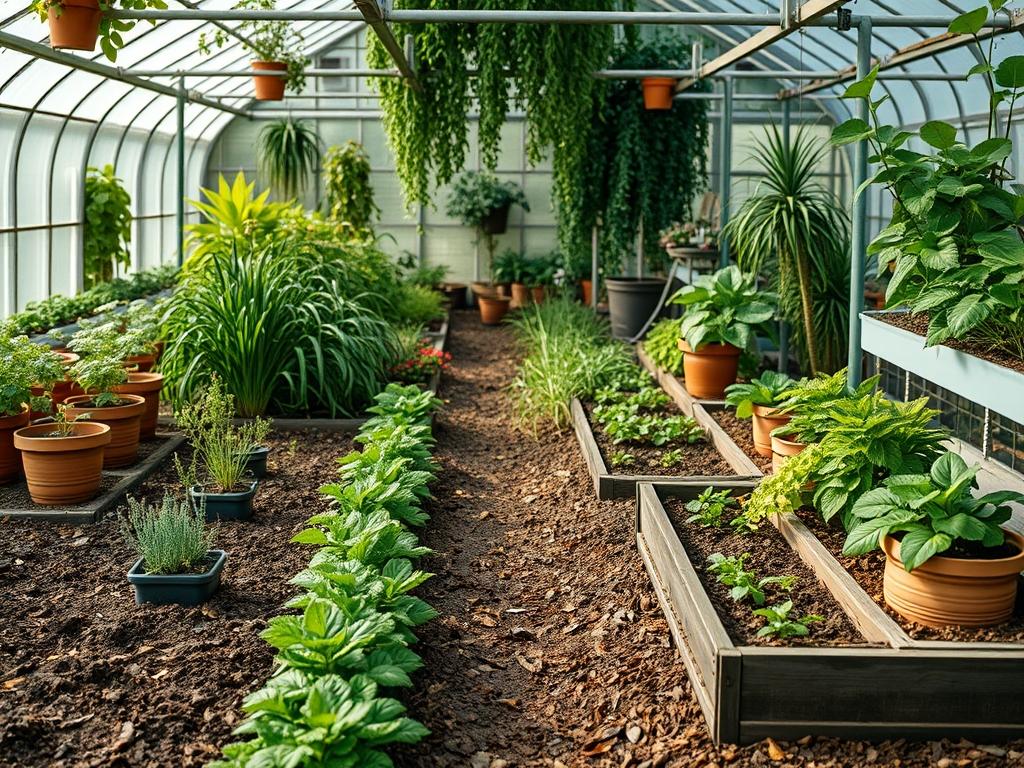
The evolution of modern landscape architecture has transitioned from purely aesthetic arrangements to high performance ecosystems that serve both form and function. As an outdoor environment consultant, I have witnessed a significant shift in how homeowners approach their private acreage. Gone are the days of simple rhythmic planting. Today, the integration of Smart Garden Analytics allows for a precise understanding of the microclimates existing within a single property. This data driven approach solves the perennial challenge of managing regional climate volatility while maintaining high curb appeal and maximizing harvest yields. By measuring soil moisture, light intensity, and nutrient levels in real time, we can transform a standard backyard into a sophisticated production zone. The goal is to create a seamless transition between hardscaped outdoor living areas and productive garden beds, ensuring that the visual balance of the site is never compromised by the practical needs of the plants.
Predicting harvest timing was once a matter of folklore and general zone maps. However, professional grade sensors now provide granular data that accounts for the specific heat retention of a Retaining Wall or the cooling effect of a nearby water feature. These variables drastically alter the “Growing Degree Days” for specific cultivars. When we design a landscape with analytics in mind, we are not just placing plants; we are installing a living laboratory. This foresight ensures that the outdoor environment remains functional throughout the year, providing a predictable schedule for both maintenance and enjoyment.
Landscape Design Principles
Successful landscape design relies on the core principles of symmetry, focal points, and elevation layers. When I survey a new site, I first look at the natural topography to determine how Smart Garden Analytics can be integrated into the existing drainage patterns. Symmetry does not always mean a mirror image, but rather a balance of visual weight. For instance, a heavy standalone Arbor on the left side of a patio can be balanced by a dense cluster of Evergreen Shrubs on the right. This balance creates a sense of permanence and order that enhances the overall property value.
Focal points are essential for guiding the eye through the environment. A well placed Stone Pedestal or a dramatic Specimen Tree serves as an anchor for the surrounding foliage. In a smart landscape, these focal points often double as housing for weather stations or data hubs. Elevation is another critical tool. By utilizing Retaining Walls, we can create tiered planting zones that optimize sun exposure for different crops. Higher tiers might host sun loving Lavender, while lower, moisture rich tiers support leafy greens. This verticality adds depth to the visual field and allows for more complex irrigation planning.
Walkways should do more than just connect point A to point B. They define the flow of the garden and provide necessary access for maintenance without causing soil compaction. We often use Decomposed Granite or Flagstone to create permeable paths that encourage natural drainage. Underlying these paths, a network of Drip Irrigation Lines can be monitored by flow meters. This ensures that every drop of water is accounted for and delivered directly to the root zones, which is a fundamental component of effective outdoor management.
Plant and Material Selection
| Plant Type | Sun Exposure | Soil Needs | Water Demand | Growth Speed | Maintenance Level |
| :— | :— | :— | :— | :— | :— |
| Heirloom Tomato | Full Sun | Rich Organic | High | Fast | High |
| English Boxwood | Part Shade | Well Drained | Moderate | Slow | Medium |
| Blueberry Bush | Full Sun | Acidic | High | Moderate | Medium |
| Creeping Thyme | Full Sun | Gritty/Sandy | Low | Moderate | Low |
| Japanese Maple | Dappled Sun | Loamy | Moderate | Slow | Low |
| Russian Sage | Full Sun | Poor/Dry | Very Low | Fast | Low |
Implementation Strategy
The implementation of a data integrated landscape begins with proper site grading. This is the foundation of all future success. We must ensure that the land slopes away from the home foundation at a minimum of 2 percent grade to prevent water pooling. Once the grading is finalized, we define the beds using Steel Edging or Paver Borders. This creates a crisp line between the turf and the planting areas, which is vital for curb appeal.
After the structural boundaries are set, we address the soil health. We typically incorporate 3 inches of organic compost into the top 8 inches of native soil to improve tilth and nutrient availability. During this phase, we also install the subterranean hardware. This includes Soil Moisture Sensors placed at varying depths, usually 6 inches and 12 inches, to monitor the entire root profile. These sensors feed back into the Smart Garden Analytics platform, allowing us to see exactly how water moves through the different soil strata.
Mulching is the final step in the physical installation. A 3-inch layer of Cedar Mulch or Pine Bark serves multiple purposes. It suppresses weed growth, regulates soil temperature, and reduces evaporation. However, we must be careful not to “volcano mulch” around the base of trees. Keeping the mulch 2 inches away from the trunk prevents rot and allows the root flare to breathe. The data from our sunlight sensors will then dictate the final placement of the more sensitive plant species, ensuring they are not overwhelmed by afternoon heat.
Common Landscaping Failures
The most frequent mistake I see in residential landscapes is improper drainage. Many homeowners install beautiful gardens only to have them drowned during the first heavy rain because they failed to include a French Drain or a Catch Basin in low lying areas. Standing water leads to anaerobic soil conditions, which kill the beneficial microbes necessary for plant health. Without data to show the rate of percolation, these issues often go unnoticed until it is too late.
Another common failure is root overcrowding. It is tempting to plant closely for “instant” impact, but this is a short sighted strategy. As plants mature, they compete for light, water, and nutrients. A White Oak planted too close to a Retaining Wall will eventually undermine the structural integrity of the stone. Furthermore, soil compaction from heavy foot traffic or improper use of machinery during construction can stifle root growth. Using air spades or vertical mulching can remediate some of this, but it is better to avoid the compaction from the start.
Irrigation inefficiencies also rank high on the list of failures. Standard “set it and forget it” timers do not account for humidity or recent rainfall. This results in significant water waste and can actually encourage fungal diseases like Powdery Mildew. By utilizing Smart Garden Analytics, we can switch to weather based irrigation controllers that automatically adjust the watering schedule based on real time atmospheric conditions, saving thousands of gallons of water annually.
Seasonal Maintenance
Spring is the season of preparation and calibration. This is when we test all Irrigation Valves and clean the lenses on our optical sensors. We apply a fresh layer of Slow Release Fertilizer and prune any winter kill from the Deciduous Shrubs. It is also the time to check the baseline data for soil temperature. Most warm season crops should not be planted until the soil consistently reaches 65 degrees Fahrenheit.
Summer maintenance focuses on stress management. During peak heat, the Smart Garden Analytics will likely show a rapid drop in moisture levels. We might increase the depth of the Mulch or provide temporary shade cloth for sensitive species like Hydrangeas. This is also the period for monitoring pest activity. Early detection of Spider Mites or Aphids through visual inspections, supplemented by data on high humidity triggers, can prevent an infestation from spiraling out of control.
Autumn is the harvest peak and the time for soil remediation. We use the analytics gathered throughout the year to determine which zones were most productive. We then add Bone Meal or Blood Meal to replenishing the beds. Pruning should be limited to dead or diseased wood to avoid stimulating new growth that will be killed by the first frost. Planting Cover Crops like Clover or Winter Rye helps protect the soil structure during the dormant months.
Winter is the time for structural audits and data review. We examine the Hardscaping for any shifts or cracks caused by freeze thaw cycles. This is the best time to clean and sharpen tools like Pruning Shears and Loppers. Reviewing the year’s data allows us to adjust our harvest predictions for the following year, selecting different varieties that may be better suited to the specific microclimates identified by our sensors.
Professional Landscaping FAQ
How does data help with decorative plants?
Analytics track light and moisture levels, ensuring ornamental species like Peonies are placed in optimal zones. This prevents leaf scorch and encourages prolific blooming by matching the plant’s biological needs to the specific site conditions.
What is the best mulch for edible gardens?
Clean Wheat Straw or Aged Compost are excellent for edibles. They provide a barrier against soil borne pathogens while breaking down to improve soil structure, unlike some dyed wood chips which can contain unwanted chemicals.
Can sensors detect nutrient deficiencies?
While basic sensors focus on moisture and pH, advanced probes measure Electrical Conductivity. This provides a proxy for soil salinity and nutrient density, alerting you when it is time to apply specialized fertilizers or soil amendments.
How deep should a retaining wall footing be?
A standard masonry Retaining Wall usually requires a footing beneath the frost line, often 12 to 24 inches deep. This prevents shifting during winter, ensuring the wall remains a stable anchor for the landscape’s elevation layers.
Do native plants really need less water?
Yes, once established, Native Plants are adapted to local rainfall patterns. When integrated with smart monitoring, they require minimal supplemental irrigation, significantly reducing the maintenance burden and supporting local biodiversity within your outdoor environment.