
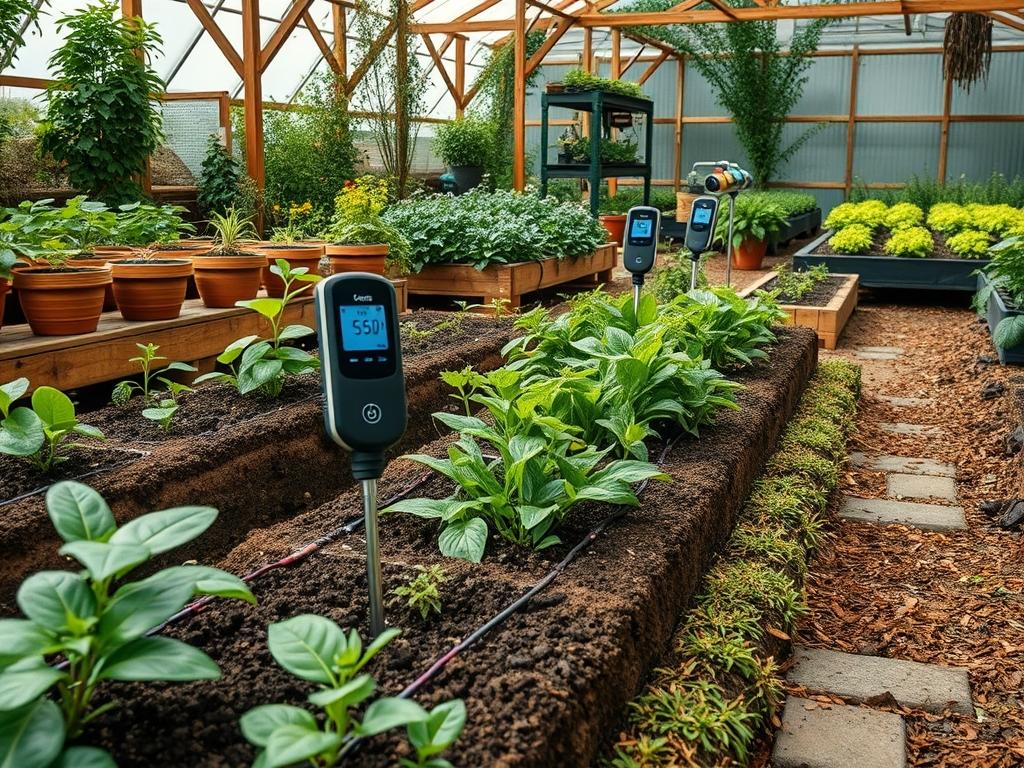
Precision in landscape architecture begins far below the visible surface, where the chemical composition of the earth dictates the vitality of every specimen selected for a design. For decades, landscape professionals relied on manual soil sampling and laboratory delays to understand the subterranean environment. However, the integration of Wireless Soil PH Probes has revolutionized field data acquisition, allowing for real-time adjustments to site preparation and long-term maintenance. When a designer transitions from conceptual sketches to the installation of high-value assets like Specimen Trees or intricate Perennial Borders, the ability to monitor acidity and alkalinity instantly ensures that the soil chemistry aligns with the physiological needs of the plant palette. This technological shift addresses the primary challenge of modern landscaping: creating a sustainable, high-impact environment that withstands local climate fluctuations while maintaining peak curb appeal throughout the calendar year.
Success in outdoor environment consultancy relies on an intricate understanding of how soil health influences the structural integrity of the landscape. If the pH level drifts outside the optimal range for a specific species, the plant enters a state of stress, making it susceptible to disease and pest infestations. By utilizing Wireless Soil PH Probes, architects can gather data across various microclimates within a single property, identifying pockets of high acidity near Retaining Walls or alkaline zones adjacent to fresh Concrete Walkways. This data-driven approach allows for the strategic application of soil amendments, such as Agricultural Lime or Elemental Sulfur, before the first shovel hits the ground. Ultimately, the goal is to create a functional outdoor space where the organic elements thrive in harmony with the hardscape, providing a seamless transition between the built environment and the natural world.
Landscape Design Principles
The architecture of a garden relies on several fundamental pillars to achieve visual and functional success. Symmetry and balance are the most immediate visual cues; however, these are difficult to maintain if one side of a formal entrance is thriving while the other struggles due to uneven soil chemistry. By deploying Wireless Soil PH Probes at mirrored points across a central axis, designers can ensure that the Italian Cypresses or Topiary Boxwoods receive uniform nutrients. Focal points, whether they are large Basalt Water Features or colorful Ornamental Trees, require a stable environment to prevent stunted growth which can throw off the intended scale of the design.
Elevation play and layering also demand attention to soil stability and nutrient availability. When designing tiered gardens or sunken patios, the moisture content and pH often vary significantly between the highest and lowest points. Erosion Control Blankets and French Drains are essential for managing water flow, but monitoring the chemical runoff with sensors provides a deeper level of insight. For example, excessive drainage in one area might leach calcium, leading to localized acidity. Strategic irrigation planning must also be integrated with these findings, as the source water itself can influence the pH over time. By mapping out the site with digital probes, a consultant can designate specific zones for acid-loving shrubs versus neutral-ground groundcovers, ensuring that each elevation layer matures at a consistent rate.
Plant and Material Selection
Choosing the right materials involves more than just selecting a color palette. It requires matching the biological requirements of a species to the chemical realities of the site. The table below outlines common selections for a professional landscape and their specific environmental needs.
| Plant Type | Sun Exposure | Soil Needs | Water Demand | Growth Speed | Maintenance Level |
| :— | :— | :— | :— | :— | :— |
| Japanese Maple | Partial Shade | Acidic (5.5 – 6.5) | Moderate | Slow | Medium |
| Lavender | Full Sun | Alkaline (7.0 – 8.0) | Low | Medium | High (Pruning) |
| Azalea | Dappled Shade | Highly Acidic (4.5 – 5.5) | High | Medium | Medium |
| Switchgrass | Full Sun | Neutral (6.0 – 7.0) | Low | Fast | Low |
| Crepe Myrtle | Full Sun | Neutral to Acidic | Low | Fast | Medium |
| Hosta | Shade | Rich, Neutral | High | Medium | Low |
Implementation Strategy
The transition from a design plan to a living landscape requires a systematic implementation strategy. The first step involves site grading and the establishment of a proper Drainage Sub-base. During this phase, professionals should install Wireless Soil PH Probes at varying depths, typically at 6 inches and 12 inches, to capture a profile of the soil column. Once the grading is verified, the installation of Hardscaping elements like Paver Patios and Stone Retaining Walls can begin. It is crucial to monitor pH during this stage, as runoff from stone cutting or mortar mixing can sharply increase the alkalinity of the surrounding planting beds.
Following the hardscape installation, the focus shifts to soil preparation and edging. Designers should apply a 3 inch layer of Organic Compost to improve soil structure, followed by the specific amendments identified by the wireless data. When setting the plants, ensure that the root balls are placed at the correct depth to prevent crown rot. Aluminum Edging or Corten Steel provides a clean transition between lawn areas and garden beds, preventing the encroachment of aggressive grasses. Finally, applying 2 to 4 inches of Bark Mulch helps retain moisture and regulate temperature. The continuous data stream from the probes allows the contractor to verify that the mulch is not negatively impacting the soil surface pH as it decomposes over the first few months of the project.
Common Landscaping Failures
The most frequent failures in high-end landscaping often stem from a lack of attention to site-specific conditions. Drainage mistakes are the leading cause of plant mortality; specifically, the “bathtub effect” occurs when a hole is dug in heavy clay soil and filled with light potting mix, trapping water and rotting the roots. Furthermore, root overcrowding occurs when designers ignore the mature spread of a tree, leading to future damage of Irrigation Lines and Foundation Walls. Proper spacing, usually calculated based on the 10 year growth projection, is essential for a sustainable layout.
Soil compaction is another silent killer of landscape designs. High foot traffic or heavy machinery usage during construction compresses the soil pores, oxygen deprivation, and nutrient lockup. Even if the pH is correct, a compacted soil prevents the roots from accessing the minerals they need. This is where Wireless Soil PH Probes become invaluable, as some advanced models also track soil temperature and moisture, providing a holistic view of the stress factors affecting the plants. Irrigation inefficiencies, such as over-watering a drought-tolerant Xeriscape, can also lead to nutrient leaching and pH fluctuations that are difficult to diagnose without digital assistance.
Seasonal Maintenance
A professional landscape is a dynamic entity that requires seasonal adjustments to remain in peak condition. In the Spring, the focus is on reactivation. This includes removing winter debris, inspecting Irrigation Emitters, and taking baseline pH readings to determine if winter rains have leached vital nutrients. This is the optimal time to apply slow-release fertilizers based on the specific data collected from the probes.
During the Summer, moisture management becomes the priority. As temperatures rise, the rate of chemical reactions in the soil increases, which can cause rapid shifts in pH. Monitoring the data allows for “fertigation” adjustments, where water-soluble nutrients are added directly to the irrigation system. Autumn marks the time for soil restoration. Aeration should be performed to combat compaction, and fall-specific plantings like Bulbs should be installed. Finally, Winter maintenance involves protecting the soil from extreme freezing and thawing cycles. Using the probes to monitor soil temperature helps determine when to apply Anti-desiccant Sprays to evergreens or when to add an extra layer of Straw Mulch to sensitive perennials.
Professional Landscaping FAQ
How often should I check the data from my probes?
During the initial establishment phase, check the data daily. Once the landscape is mature, weekly reviews are sufficient. Monitoring after heavy rain events or significant fertilization is critical to identify sudden chemical spikes that could damage sensitive root systems.
Can these probes work in heavy clay soil?
Yes, though installation requires more care. Use a 1 inch auger to create a pilot hole to prevent damaging the sensor. Ensure the probe has direct contact with the soil to avoid air pockets, which can lead to inaccurate pH and moisture readings.
Do wireless probes require a constant Wi-Fi connection?
Most professional units use Long Range (LoRaWAN) or Bluetooth technology. They can store data internally and sync when a gateway or mobile device is nearby. This is ideal for large estates where a standard Wi-Fi signal might not reach the perimeter.
How do I calibrate my PH probe for accuracy?
Calibrate the sensors at the start of every season using pH 4.0 and 7.0 Buffer Solutions. This ensures the electronic drift remains within an acceptable margin of error. Accurate data is the foundation of any successful soil management program.
Are these sensors durable enough for permanent outdoor use?
Professional-grade probes are designed with IP68-rated housings to withstand moisture and soil pressure. They are built for long-term deployment; however, it is wise to remove them if you are performing deep mechanical aeration to avoid physical damage from the tines.