
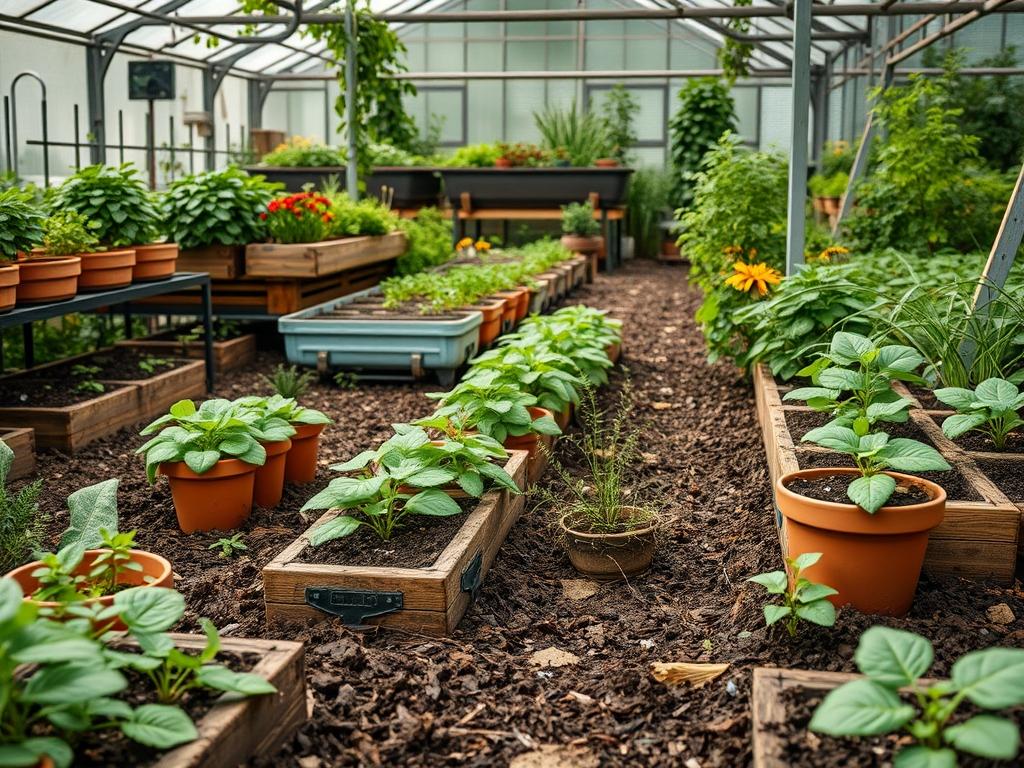
Maintaining a sophisticated outdoor environment requires a delicate balance between aesthetic ambition and practical defense. As a landscape architect, I often witness homeowners invest tens of thousands of dollars in exotic specimens and intricate hardscaping only to see their efforts dismantled by local wildlife within a single season. The challenge of modern land management is no longer just about growth; it is about preservation. Traditional methods of pest control, such as unsightly physical barriers or labor intensive chemical applications, frequently compromise the very curb appeal they aim to protect. This is where the strategic integration of smart pest deterrents transforms the discipline. By utilizing high-tech solutions that blend into the topography, we can create a resilient sanctuary that remains undisturbed by deer, rodents, or neighborhood pets.
Success in high end landscaping starts with a deep understanding of the site’s unique environmental pressures. We must consider the local ecosystem as a primary stakeholder in the design process. When we plan for irrigation, elevation, and drainage, we are also mapping out the movement patterns of potential pests. A well-designed garden uses smart pest deterrents as a silent layer of security. These devices, ranging from motion-activated sprinklers to ultrasonic frequency emitters, are most effective when they are positioned according to the principles of visual balance and focal points. By hiding technology within the lush folds of a perennial border or nesting them near retaining walls, we maintain the integrity of the design while ensuring the site remains a hostile environment for unwanted visitors.
Landscape Design Principles
A professional landscape is defined by its structural integrity and visual rhythm. Symmetry plays a vital role here, especially in formal gardens where the center line dictates the placement of hardscaping and statement plants. However, symmetry also serves a functional purpose in pest management. By creating clear sightlines, we allow infrared motion sensors to operate with maximum efficiency, covering 360 degrees of the property without dead zones. Focal points, such as a stone fountain or a sculptural maple, should be protected by a perimeter of deterrents that are triggered before an animal can reach the central feature.
Elevation layers provide more than just depth and texture; they offer a vertical defense strategy. We use retaining walls and raised beds to create physical height that discourages smaller burrowing pests. When these are combined with smart stakes that emit subterranean pulses, the protection becomes multi-dimensional. Walkway planning is another critical pillar. Using permeable pavers or crushed slate creates a crunching sound that naturally alerts the property owner to movement, while smart lighting systems can be programmed to flash or brighten when a sensor detects large mammals like deer or coyotes.
Plant and Material Selection
The selection of materials and flora must be a harmony of hardiness and visual appeal. I prioritize native species that have a natural resistance to local pests, but even the toughest plants require a helping hand from modern technology. Below is a selection of commonly used plants in smart-defended landscapes.
| Plant Type | Sun Exposure | Soil Needs | Water Demand | Growth Speed | Maintenance Level |
| :— | :— | :— | :— | :— | :— |
| Lavender | Full Sun | Well-drained | Low | Moderate | Low |
| Boxwood | Partial Shade | Loamy | Moderate | Slow | Medium |
| Switchgrass | Full Sun | Sandy/Clay | Low | Fast | Low |
| Hostas | Full Shade | Rich/Moist | High | Moderate | Medium |
| Marigolds | Full Sun | Fertile | Moderate | Fast | Low |
| Catmint | Full Sun | Average | Low | Fast | Low |
In addition to plant life, the choice of mulch and ground cover is pivotal. Using cedar mulch provides an additional layer of natural pest repulsion, while river rock serves as an inorganic barrier that prevents digging. When we install these materials, we ensure a depth of at least 3 inches to suppress weeds and discourage rodent nesting.
Implementation Strategy
The transition from a blueprint to a thriving garden requires a disciplined implementation strategy. We begin with grading, ensuring that the land slopes away from the home at a rate of at least 1 inch per foot for the first 10 feet. This prevents water pooling, which is a primary attractant for mosquitoes and other moisture loving insects. Once the skeleton of the garden is established, we install the irrigation system, integrating smart controllers that monitor weather data to prevent overwatering.
Integrating smart pest deterrents occurs during the final stages of planting. For deer control, we recommend motion-activated sprinklers like the Orbit Yard Enforcer, which should be placed at entrance points such as the gaps between hedgerows. These units require a stable water connection and a clear line of sight. For subterranean threats, ultrasonic stakes should be installed in a grid pattern, spaced approximately 50 feet apart. They are most effective in loamy soil where sound waves can travel easily.
Final touches include edging, which creates a clean break between the turf and the beds. We often use steel edging or poured concrete curbs to provide a permanent barrier. Finally, a thorough application of pre-emergent herbicide and high-quality mulch secures the soil, providing the finished look that defines luxury landscaping.
Common Landscaping Failures
The most frequent mistake I see is a failure to account for drainage. When water remains stagnant, it rots the root systems of expensive ornamentals and invites pest infestations. Another common error is root overcrowding. Homeowners often want an “instant” garden, planting evergreens or shrubs too close together. This creates a dense canopy that traps humidity and provides a perfect hiding spot for small mammals. Each plant must have enough space to allow air circulation, which naturally reduces fungal diseases.
Soil compaction is a silent killer of professional landscapes. During construction, heavy machinery presses the life out of the earth, leaving it impenetrable. We use core aerators to open the soil before planting. Furthermore, many people install irrigation without considering the specific needs of their plants. Over-irrigation not only wastes water but also makes the plants “lazy,” resulting in shallow root systems that cannot survive a drought. Lastly, ignoring the volumetric water content of the soil can lead to either parched or drowned landscapes, both of which are magnets for opportunistic pests looking for stressed vegetation.
Seasonal Maintenance
Landscape management is a year-round commitment. In the spring, the focus is on cleanup and preparation. We remove any winter debris, prune dead wood with bypass loppers, and apply a fresh 2 inch layer of mulch. This is also the time to test your smart pest deterrents, replacing batteries and ensuring sensors are clean.
During the summer, the priority shifts to hydration and pest monitoring. Ensure that your smart irrigation is adjusted for high temperatures. If you notice increased activity from wildlife, calibrate the sensitivity of your ultrasonic emitters. In the autumn, we focus on fortification. This involves planting bulbs, dividing overgrown perennials, and applying dormant spray to fruit trees. Finally, in winter, we protect sensitive plants with burlap wraps and clear any snow that might block the sensors of your smart devices. Maintaining a clear line of sight for your security cameras and deterrents is essential during the sparse winter months.
Professional Landscaping FAQ
What are the most effective deterrents for deer?
Deer respond best to unpredictable stimuli. A combination of motion-activated sprinklers and ultrasonic emitters creates a multi-sensory barrier. Changing the position of these devices every 3 months prevents the animals from becoming desensitized to the noise and water.
How do I hide smart deterrent devices in my garden?
Place devices behind ornamental grasses or within the shadows of evergreen shrubs. Ensure the sensor remains unobstructed by foliage. Many manufacturers offer units in earthy tones like forest green or sandstone to blend with mulch and river rock.
Are smart pest deterrents safe for domestic pets?
Most ultrasonic devices operate at frequencies that are outside the hearing range of dogs and cats. However, it is important to check the specific decibel levels. Motion-activated sprinklers are generally the safest option for households with active outdoor pets.
How often should I update my landscape drainage system?
A well-installed system utilizing French drains and permeable pavers should last 20 years. However, you should inspect your catch basins every autumn to ensure they are free of debris and that the grading has not shifted.
Can smart pest deterrents reduce the need for pesticides?
Yes, by preventing the initial arrival of pests, these devices significantly reduce the need for chemical intervention. This approach supports a healthier soil microbiome and protects local pollinators like bees and butterflies while keeping your ornamentals pristine.