
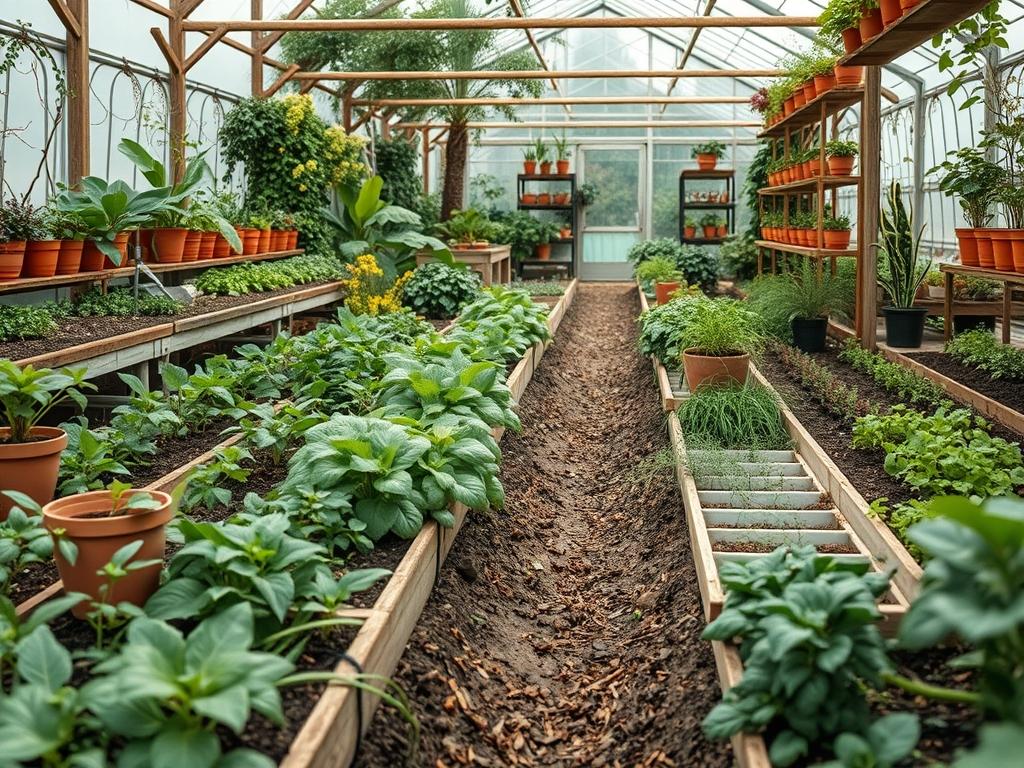
Transforming a residential landscape requires more than just a creative eye; it demands a synergy between environmental science and architectural precision. Homeowners often struggle to visualize how a retaining wall or a specific cluster of native plants will interact with the existing topography over a decade of growth. This is where modern technology has stepped in to bridge the gap. By utilizing AI garden planning apps, developers and enthusiasts can now simulate complex ecosystems in seconds. These digital tools analyze sunlight patterns, soil composition, and local climate data to suggest layouts that are both aesthetically pleasing and ecologically viable. Whether you are looking to enhance curb appeal or create a private backyard retreat, understanding the fundamental principles of design is the first step toward a successful installation.
The advent of artificial intelligence in the landscaping sector has democratized high level design. Previously, a detailed master plan might require weeks of back and forth with a consultant. Today, platforms like iScape, Resi, and Gardena MyGarden allow users to overlay thousands of plant species and hardscaping elements onto a photo of their actual yard. These AI garden planning apps prioritize functionality, ensuring that your irrigation lines do not interfere with deep root systems and that your walkways maintain a logical flow between outdoor living zones. By integrating these tools early, you can avoid costly errors in grading and drainage that often plague DIY projects.
Landscape Design Principles
A professional landscape is built on the concept of intentionality. Symmetry and balance are the most critical factors when designing the front of a home. A symmetrical layout creates a sense of formal elegance, while asymmetrical designs offer a more naturalistic, modern feel. To achieve this, landscape architects often use a “focal point,” which is a central visual element such as a Japanese Maple or a bespoke stone fountain that draws the eye. Behind this focal point, we layer the environment to create depth.
Elevation plays a significant role in spatial perception. By using retaining walls or raised beds, you can create distinct “rooms” within a garden. This vertical layering allows for different viewing angles and can help manage water runoff. Furthermore, visual balance is maintained through the “Rule of Three,” where plants are grouped in odd numbers to avoid looking too rigid or manufactured. Walkways should be wide enough for two people to walk side by side, typically at least 48 inches, and should be constructed from materials that complement the home’s siding or masonry.
Irrigation planning must be baked into the initial design rather than added as an afterthought. Modern AI garden planning apps can calculate the “hydro-zones” of your yard, grouping plants with similar water needs together. This prevents the overwatering of drought-resistant species like Lavender while ensuring that moisture-loving ferns receive adequate hydration. Effective planning also includes natural transitions between hard surfaces and soft vegetation, using edging to keep mulch from washing onto the driveway during heavy rain.
Plant and Material Selection
| Plant Type | Sun Exposure | Soil Needs | Water Demand | Growth Speed | Maintenance Level |
| :— | :— | :— | :— | :— | :— |
| Boxwood | Full Sun to Shade | Well-Drained | Moderate | Slow | Medium (Trimming) |
| Lavender | Full Sun | Sandy/Lean | Low | Moderate | Low (Pruning) |
| Hostas | Full Shade | Rich/Moist | Moderate | Fast | Low |
| Hydrangea | Partial Shade | Loamy/Acidic | High | Fast | Medium |
| Red Maple | Full Sun | Diverse | Moderate | Medium | Low |
| Ornamental Grass | Full Sun | Basic | Low | Fast | Low (Annual Cut) |
| Creeping Thyme | Full Sun | Rocky/Dry | Low | Moderate | Very Low |
Implementation Strategy
The successful execution of a garden layout begins with site preparation. You must first address the grading of the land. The ground should always slope away from the foundation of the home at a minimum of two percent. This prevents water from pooling against the basement or crawlspace walls, which is a leading cause of structural damage. Once the grade is established, use a high quality landscape fabric or organic mulch to suppress weeds, though professional architects often prefer a thick layer of wood chips at a 3-inch depth to build soil health naturally.
Next, define your edging. Whether you use steel edging, brick pavers, or natural stone, this boundary provides a clean line between the lawn and the planting beds. It also acts as a root barrier to prevent grass from invading the garden. When installing hardscaping such as patios or fire pits, ensure you use a compacted gravel base of at least 6 inches to prevent settling over time. This foundational work is what separates a temporary garden from a permanent landscape feature.
Drainage is the final, essential component of implementation. If your yard has low spots that collect water, consider installing a French drain or a dry creek bed. These elements can be designed to look like natural landscape features while effectively moving water toward a municipal drain or a dedicated rain garden. By using AI garden planning apps, you can simulate heavy rainfall events to see exactly where water will travel before you ever move a single shovel of dirt.
Common Landscaping Failures
The most common failure in modern landscaping is improper spacing, often called “instant gratification planting.” Homeowners frequently place young shrubs too close together to make the garden look “full” on day one. Within three years, these plants become overcrowded, leading to poor air circulation and the spread of fungal diseases. Always research the mature width of a species and use a measuring tape to ensure they have room to breathe at their maximum size.
Another significant issue is soil compaction. During construction or heavy gardening, the pore spaces in the soil are crushed, preventing oxygen and water from reaching the roots. If you are planting in heavy clay, you must amend the soil with compost or expanded shale to improve aeration. Additionally, many people fail to check for underground utility lines before digging. Always call your local utility locator service; a simple shrub installation can quickly turn into a dangerous and expensive disaster if it severs a gas or power line.
Irrigation inefficiencies also rank high among landscaping mistakes. Many homeowners install “set it and forget it” timers that run even during rainstorms. This waste of water is not only environmentally irresponsible but also detrimental to plant health. Modern systems should be equipped with smart weather sensors that adjust the watering schedule based on real-time atmospheric conditions.
Seasonal Maintenance
Spring is the season for revitalization. Start by removing winter debris and applying a fresh layer of pre-emergent herbicide to prevent weed seeds from germinating. This is also the time to test your soil pH and add lime or sulfur as needed. Pruning should be done on summer-blooming shrubs before the first buds appear, ensuring the plant’s energy is directed toward new growth.
Summer requires a focus on hydration and stress management. During peak heat, it is better to water deeply twice a week than to provide light daily sprinkles. This encourages the roots to grow deep into the soil where it is cooler and more moist. Keep an eye out for pests like aphids or spider mites, and treat them with neem oil or a strong blast of water from a garden hose.
Autumn is the best time for planting new trees and large shrubs. The cooler air temperature combined with still-warm soil allows roots to establish without the stress of intense sun. It is also the perfect window for aerating and over-seeding your lawn. Clean out dead perennials, but consider leaving some ornamental seed heads to provide food for local birds during the colder months.
Winter is primarily a period of protection and planning. Use burlap wraps for sensitive evergreens to prevent windburn. Check your irrigation system for leaks and blow out the lines to prevent freezing and bursting. This is the ideal time to sit down with your AI garden planning apps to analyze what worked during the previous year and what needs to be redesigned for the coming spring.
Professional Landscaping FAQ
How often should I replace my mulch?
Organic mulch should be refreshed annually or every two years. As it decomposes, it adds nutrients to the soil. Maintaining a 3-inch depth helps retain moisture and regulate soil temperature throughout the varying seasons.
Can AI garden planning apps predict plant growth accurately?
Yes, most advanced apps use growth algorithms based on your specific USDA Hardiness Zone. They can simulate how a Hedge or Tree will look in five, ten, and twenty years to prevent overcrowding.
What is the best way to handle poor drainage?
Start by checking the grading of your property. If water still pools, install a French drain or a catch basin. These systems redirect excess water away from the home and toward a more suitable discharge point.
How do I choose between native and exotic plants?
Native plants are generally preferred because they require less water and are resistant to local pests. They also support local pollinators. Exotic plants can be used as accents but often require more intensive maintenance and irrigation.
Is a professional landscape design worth the cost?
Investing in a design prevents major rework. A well-planned landscape can increase property value by up to fifteen percent. Using digital tools ensures that the hardscaping and botanicals are perfectly scaled to your home’s architecture.