
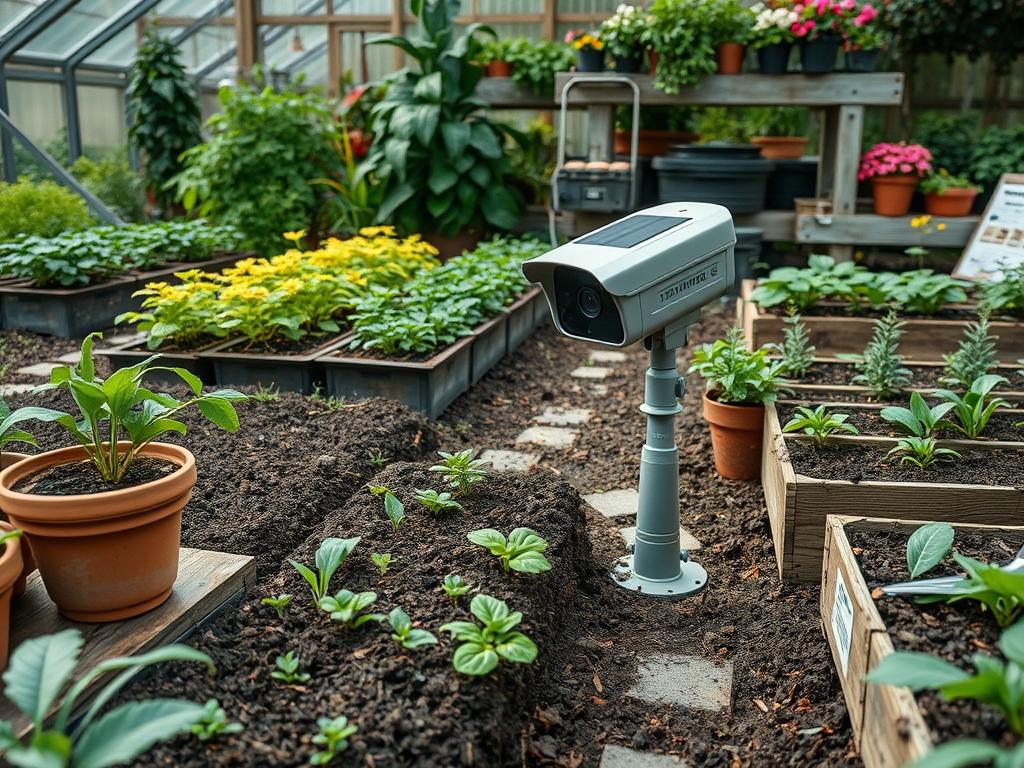
The modern landscape is a living portfolio that represents a significant investment of time, capital, and ecological stewardship. As architects of the outdoor environment, we view the garden not merely as a collection of flora, but as an integrated system where form meets function. A primary challenge in contemporary garden design is the preservation of high value botanical assets and hardscape elements. This is where the integration of technology, specifically Solar Powered Garden Cameras, becomes essential. These devices offer a non-invasive security layer that aligns with the sustainable ethos of professional landscaping. By utilizing renewable energy, these units protect the perimeter without the disruptive installation of underground conduits that can damage mature root systems or disturb established soil horizons. A well conceived landscape must harmonize aesthetic appeal with long term security, ensuring that the curated environment remains vibrant and protected through every season.
Securing the home exterior often focuses on the building envelope, yet the external landscape is frequently more vulnerable. Exotic specimens, expensive hardscape materials, and intricate lighting systems are susceptible to damage or theft. When we design for curb appeal and functionality, we must consider how to monitor these assets without compromising the visual integrity of the space. Solar Powered Garden Cameras solve this dilemma by providing a wireless solution that can be discreetly positioned within the canopy or atop perimeter structures. This technological adoption is part of a broader shift toward “smart” landscapes, where irrigation, lighting, and security operate on autonomous, sustainable platforms.
Landscape Design Principles
Professional landscape architecture relies on six fundamental pillars, which are symmetry, focal points, elevation layers, irrigation planning, walkways, and visual balance. Symmetry provides a sense of order and formality, often achieved through mirrored plantings of Sky Rocket Junipers or identical Concrete Planters flanking a primary entrance. This structural repetition draws the eye along intended paths, creating a predictable and calming environment. Focal points, conversely, are designed to disrupt this order purposefully. A majestic Ginkgo Biloba or a bespoke stone fountain serves as the anchor of the design, providing a destination for the viewer’s gaze.
Elevation layering is perhaps the most critical element for creating depth. By utilizing Retaining Walls and terraced garden beds, we maximize the vertical space. This prevents the landscape from appearing flat and uninspired. Within these layers, irrigation planning must be invisible yet ubiquitous. Drip lines should be buried under a consistent 3 inch layer of Cedar Mulch to ensure water reaches the root zones of Hydrangeas and Hostas without evaporative loss. Walkways act as the circulatory system of the site, directed by Flagstone Pavers or Crushed Granite, guiding foot traffic away from sensitive planting zones. Finally, visual balance ensures that no single side of the yard feels “heavier” than the other, blending textures and colors into a cohesive whole.
Plant and Material Selection
Selecting the right biological components is a science that requires a deep understanding of USDA hardiness zones and microclimates. The following table provides a selection of versatile specimens for a professional grade layout.
| Plant Type | Sun Exposure | Soil Needs | Water Demand | Growth Speed | Maintenance Level |
| :— | :— | :— | :— | :— | :— |
| Japanese Maple | Partial Shade | Loamy, Well-Drained | Moderate | Slow | High (Pruning) |
| English Lavender | Full Sun | Sandy, Alkaline | Low | Moderate | Low |
| Emerald Green Arborvitae | Full Sun | Moist, Well-Drained | Moderate | Medium | Low |
| Purple Coneflower | Full Sun | Versatile, Non-Clay | Low | Fast | Minimal |
| Blue Fescue Grass | Full Sun | Well-Drained | Low | Moderate | Minimal |
| Boxwood Shrub | Full to Part Sun | Rich, Neutral pH | Moderate | Slow | High (Shearing) |
In addition to plant material, hardscaping choices define the longevity of the garden. Natural Stone, Travertine, and Composite Decking offer varied textures that complement the organic shapes of the foliage. When placing Solar Powered Garden Cameras, these structures provide stable mounting points that offer wide angles of the property while remaining out of the direct line of sight of guests.
Implementation Strategy
The transition from a design blueprint to a finished garden requires a disciplined implementation strategy. The process begins with grading, where the land is sculpted to ensure that water flows away from the home foundation and toward designated drainage basins or Rain Gardens. Improper grading is the leading cause of landscape failure, often resulting in stagnant water that drowns root systems or encourages fungal pathogens. Once the grade is established, we mark the layout using Landscape Marking Paint to delineate beds, paths, and the locations of larger trees.
The next step involves the installation of hardscaping features such as Curbing and Stone Edging. These elements create a crisp border between the lawn and planting beds, preventing the migration of grass into delicate floral arrangements. After the hardscape is set, we focus on soil amendment. Most residential soil is compacted and nutrient deficient; therefore, we incorporate a high quality Compost and Peat Moss blend to a depth of 12 inches. After planting, a thick layer of mulch is applied to regulate soil temperature and suppress weeds. Finally, we install the security layer. Because Solar Powered Garden Cameras do not require electrical wiring, they can be the final piece of the puzzle, placed at strategic heights to monitor the newly installed assets without disturbing the finished mulch or stone.
Common Landscaping Failures
Errors in the early stages of landscaping often manifest as expensive problems years later. Drainage mistakes are the most frequent culprit. Homeowners often overlook the “perc” rate of their soil, leading to “bathtub” effects where water sits in a planting hole because it cannot penetrate the surrounding clay. Another common issue is root overcrowding. It is tempting to plant for “immediate impact,” but failing to respect the mature spread of a White Oak or Leyland Cypress will lead to structural damage and the eventual death of the plant due to resources competition.
Soil compaction is another silent killer of high end landscapes. During construction, heavy machinery compresses the earth, destroying the air pockets necessary for root respiration. Without proper aeration, even the most expensive specimens will fail. Irrigation inefficiencies also plague many gardens; overhead sprayers often waste water through evaporation or mistargeting, leading to dry spots and weed growth. Lastly, a lack of security planning can be a catastrophic failure. Investing thousands in rare Conifers only to have them stolen or damaged by wildlife or trespassers is a risk that can be mitigated by high definition, solar powered surveillance.
Seasonal Maintenance
A landscape is a dynamic entity that requires different care regimes as the earth tilts on its axis. In the Spring, the focus is on “awakening” the garden through debris removal, pre-emergent herbicide application, and the pruning of late summer bloomers. This is also the time to check the positioning of your Solar Powered Garden Cameras to ensure that the emerging foliage of Perennials or the leafing out of deciduous trees has not obscured their lenses.
Summer maintenance revolves around water management. In periods of high heat, even established plants may require supplemental deep watering. You must watch for signs of stress, such as leaf scorch on your Ferns or wilting in your Annuals. Autumn is the season for “putting the garden to bed.” This involves planting bulbs for the following year, applying a fresh layer of mulch for winter insulation, and performing a final cleanup of fallen leaves that can harbor pests. During Winter, the landscape is dormant, but the structural integrity of the design is most visible. It is during these months that security remains paramount, as the lack of foliage provides clear sightlines for cameras to monitor the property against intrusions.
Professional Landscaping FAQ
How do solar cameras improve my garden security?
They provide 24/7 monitoring of high value plants and equipment without the need for trenching wires through your lawn. This preserves the health of your turf and root systems while providing a reliable deterrent against theft and vandalism in the backyard.
What is the best way to handle garden drainage?
Implementing a combination of French drains, catch basins, and proper site grading is most effective. Ensure that all beds slope away from structures at a minimum of two percent to prevent water from pooling near foundations or sensitive root zones.
How much mulch should I actually use per year?
A consistent depth of three inches is ideal for most gardens. This thickness is sufficient to suppress weed growth and retain soil moisture without suffocating the roots of your shrubs or causing rot at the base of your tree trunks.
What are the benefits of using native plants?
Native species are evolved to thrive in your specific local climate and soil conditions. They typically require less water, fewer chemical fertilizers, and are more resistant to local pests, making them a sustainable choice for any professional landscape design.
Can I install my own landscape lighting and cameras?
While solar options are accessible for DIY enthusiasts, professional placement ensures optimal coverage and aesthetic integration. A consultant can help you position Solar Powered Garden Cameras and lights to highlight architectural features while eliminating dark spots where intruders might hide.