
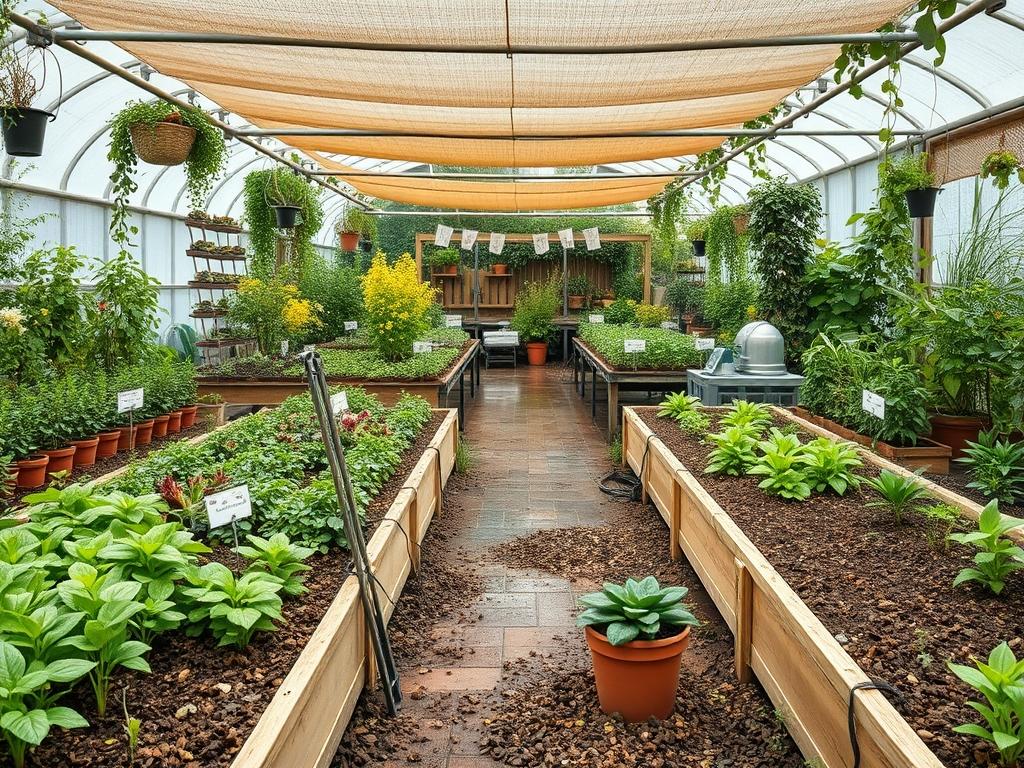
Modern landscaping demands a sophisticated balance between organic growth and architectural precision. The integration of Automated Garden Shading represents a significant shift in how we manage outdoor microclimates, moving beyond static umbrellas to reactive, sensor-driven environments. When designing a high-end exterior space, the primary challenge involves mitigating solar gain while maintaining the aesthetic integrity of the site. Excessive heat does more than just cause discomfort; it stresses delicate vegetation and accelerates the degradation of expensive hardscape materials. By implementing smart shading solutions, a designer can extend the usability of a patio or deck through the hottest parts of the day, effectively increasing the livable square footage of the property. This functionality directly correlates to curb appeal and property valuation, as modern buyers increasingly prioritize turnkey outdoor living rooms that offer thermal comfort.
Successful garden planning requires a holistic view of the local climate and site-specific topography. Wind patterns, sun angles, and natural drainage must dictate the placement of every structural element. When we introduce retractable pergolas or motorized solar screens, we are not just adding a gadget; we are installing a climate control system for the ecosystem. The goal is to create a seamless transition from the interior to the exterior, ensuring the landscape feels like a natural extension of the home architecture. Through careful selection of materials and strategic placement of vertical layers, a consultant can transform an exposed, barren lot into a private sanctuary that responds dynamically to the position of the sun.
Landscape Design Principles
Effective landscape design is rooted in the concepts of movement and visual weight. Symmetry plays a vital role in formal gardens, where mirrored plantings and structured pathways create a sense of order and permanence. However, in more contemporary or naturalistic settings, we look for visual balance rather than exact mirroring. This is achieved by offsetting heavy sculptural elements, such as a custom stone fireplace, with airy clusters of ornamental grasses. Focal points are essential to guide the eye; these can be a specimen tree, a water feature, or the clean lines of an automated louvred roof.
Elevation layers add depth and intrigue to a flat site. By utilizing retaining walls and tiered planters, we create distinct zones for dining, lounging, and gardening. These changes in height also provide opportunities to hide necessary infrastructure like low-voltage transformers or irrigation valves. Planning for irrigation is a non-negotiable step that must occur simultaneously with the shading layout. Plants located directly under or adjacent to automated covers may require specialized drip emitters, as they will not receive the same amount of natural rainfall as the rest of the garden. Walkways should be wide enough for two people to pass comfortably, typically at least 48 inches, and should be constructed from porous materials to assist with site drainage.
Plant and Material Selection
Selecting the right biological components is critical to ensuring your automated shading system complements the living landscape. The following table outlines highly effective species for domestic landscapes.
| Plant Type | Sun Exposure | Soil Needs | Water Demand | Growth Speed | Maintenance Level |
| :— | :— | :— | :— | :— | :— |
| Japanese Maple | Partial Shade | Well-Drained | Moderate | Slow | Medium |
| Boxwood Shrub | Full Sun/Shade | Loamy | Low | Medium | High (Pruning) |
| Lavender | Full Sun | Sandy/Gravely | Very Low | Fast | Low |
| Tall Fescue | Full Sun/Partial | Clay/Loam | Moderate | Fast | Medium |
| Creeping Thyme | Full Sun | Poor/Rocky | Low | Fast | Low |
For hardscaping materials, we prioritize durability and heat rejection. Light-colored pavers are preferred over dark slate to prevent heat islands. When installing automated garden shading hardware, use 316-grade stainless steel or powder-coated aluminum to prevent corrosion. These materials offer the structural integrity required to withstand wind loads while maintaining a sleek, professional finish that does not require frequent repainting.
Implementation Strategy
The implementation phase begins with a precise site survey. Using a laser level, the landscape team must determine the grading of the terrain to ensure water flows away from the home foundation and the mechanical components of the shading system. Before any soil is moved, underground utility lines must be marked. The first physical step is usually site clearing and rough grading, followed by the installation of drainage pipes and catch basins. This prevents the garden from becoming waterlogged during heavy storms, which could damage the motors or sensors of a shading installation.
Once the skeleton of the garden is in place, we focus on hardscaping. Retaining walls should be built with a solid crushed stone base at least 6 inches deep to prevent shifting. After the structures are secure, we install the automated garden shading units, ensuring the electrical conduits are buried at the appropriate depth according to local codes. Edging is then applied to separate the lawn from the flower beds; a deep 4-inch steel edge provides a clean, professional look and prevents grass from encroaching on mulch areas. Finally, we apply a 3-inch layer of organic mulch to retain moisture and suppress weeds, taking care not to pile it against the trunks of trees or the base of mechanical posts.
Common Landscaping Failures
One of the most frequent errors in professional landscaping is inadequate drainage. When water pools near a motorized awning or inside a planter, it leads to root rot and mechanical failure. Even the most advanced sensors cannot compensate for a backyard that has become a swamp due to poor grading. Another common pitfall is root overcrowding. Designers often install plants too close together to achieve an immediate full look, but within three years, the plants compete for resources and become stunted. Proper spacing according to the mature width of the species is essential for long-term health.
Soil compaction is often overlooked during the construction phase. Heavy machinery used to install retaining walls or large shading structures packs the soil so tightly that oxygen cannot reach the roots of the plants. This requires mechanical aeration before any planting begins. Irrigation inefficiencies also plague many gardens; using a single zone for both a sun-drenched lawn and a shaded fern garden will result in one area being drowned while the other wilts. Finally, failing to plan for the growth of trees near automated garden shading systems can lead to branches interfering with the movement of the fabric or louvres, necessitating expensive emergency pruning or repairs.
Seasonal Maintenance
Landscape management is a year-round commitment that changes with the seasons. In the Spring, the focus is on reactivation. This involves flushing the irrigation system, checking for leaks, and applying a slow-release fertilizer to shrubs and perennials. This is also the time to inspect the mechanical tracks of your shading system for debris or winter damage. As we move into Summer, the priority shifts to water management. Mulch levels should be checked, and irrigation timers should be adjusted for higher temperatures. The automated garden shading should be used daily to reduce the thermal load on the garden furniture and sensitive plants.
When Autumn arrives, the focus turns to debris removal. Falling leaves must be cleared from the gutters of pergolas and the surface of awnings to prevent mold growth. This is the ideal time for planting native species and spring-blooming bulbs. Finally, Winter maintenance involves protecting the infrastructure. If you live in a region with heavy snowfall, ensures the shading systems are retracted or set to a winter-safe mode. All irrigation lines should be blown out with compressed air to prevent freezing and bursting, and delicate decorative elements should be stored or covered to withstand the elements.
Professional Landscaping FAQ
How does automated shading benefit my garden plants?
Automated systems protect sensitive foliage from midday UV scorch. By deploying screens during peak heat, you reduce transpiration rates, which helps plants retain moisture and lowers the total water volume required from your irrigation system to keep them healthy.
What is the best way to handle site drainage?
Effective drainage starts with proper grading, ensuring a two percent slope away from structures. Using French drains, dry creek beds, and permeable pavers allows water to infiltrate the soil naturally rather than pooling on the surface.
Can shading systems withstand high winds?
Most professional systems include an anemometer or wind sensor. When wind speeds exceed a pre-set threshold, the system automatically retracts the fabric or closes the louvres to prevent structural damage, ensuring the longevity of the installation during storms.
Does automated shading require a lot of electricity?
Modern shading motors are highly efficient and only draw significant power during the few seconds they are moving. Many systems can be integrated with solar panels or low-voltage systems, making them a sustainable addition to a contemporary landscape design.
How do I choose between a pergola and an awning?
Pergolas offer a permanent architectural silhouette and are ideal for large, open decks or patios where a structural focal point is desired. Awnings are typically better for smaller spaces or where a minimalist, retractable solution is needed directly against the house.